


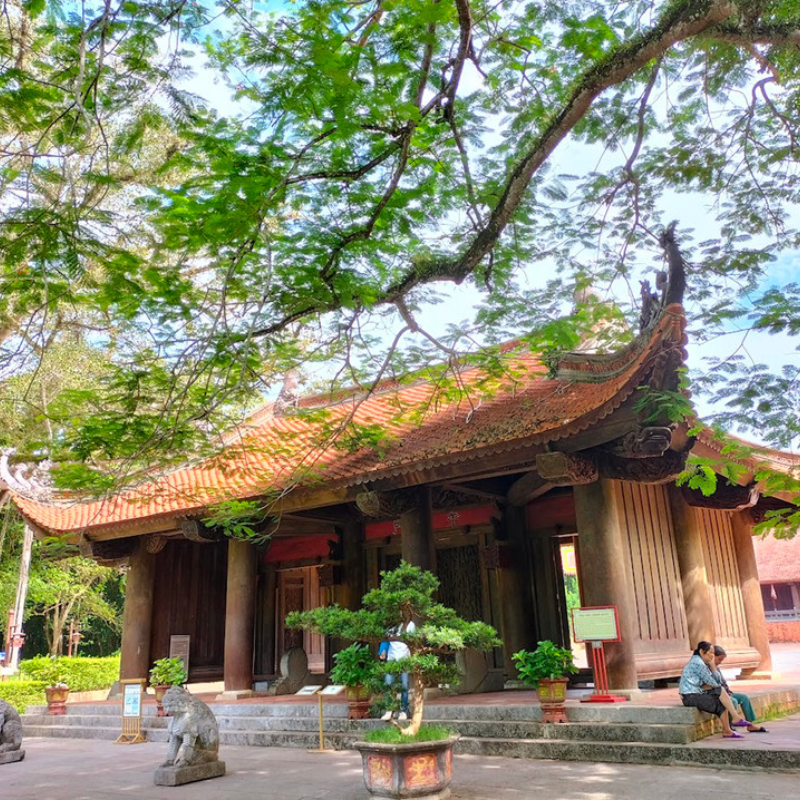


Have you ever wondered where the sacred spirit of the land and mountains is preserved, where a powerful dynasty in Vietnamese history originated? That is King Le Loi Temple - Lam Kinh, a special historical and cultural relic, holding many heroic stories about the talented founding king and the glorious Lam Son Uprising. What is King Le Loi Temple that possesses such a strong attraction? Let Us, the LocalTrips.ORG team, explore the secrets and beauty of this sacred place.
Introduction to King Le Loi Temple - Lam Kinh, Where is it Located?

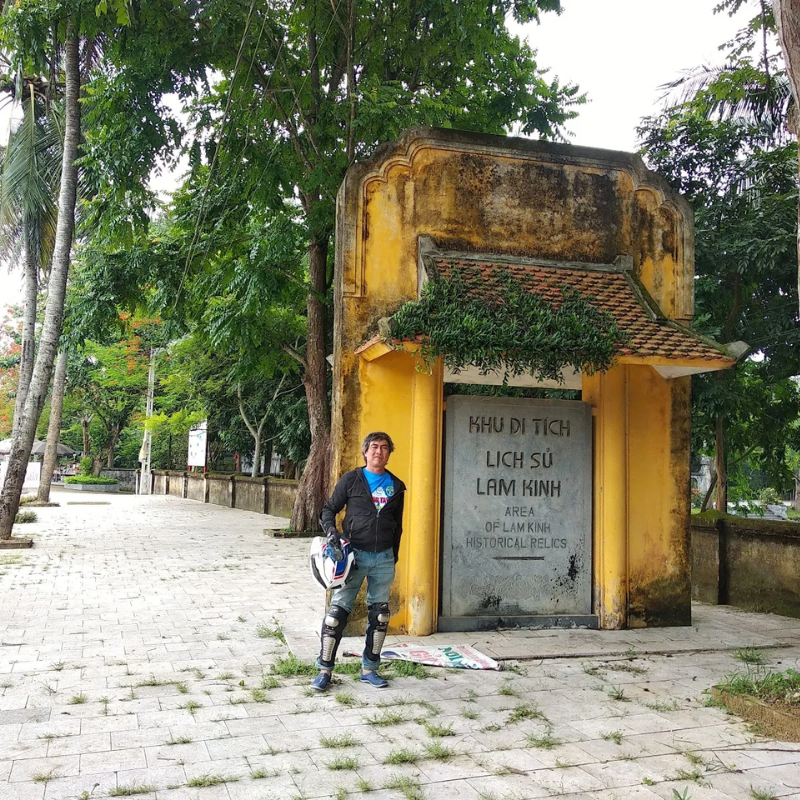
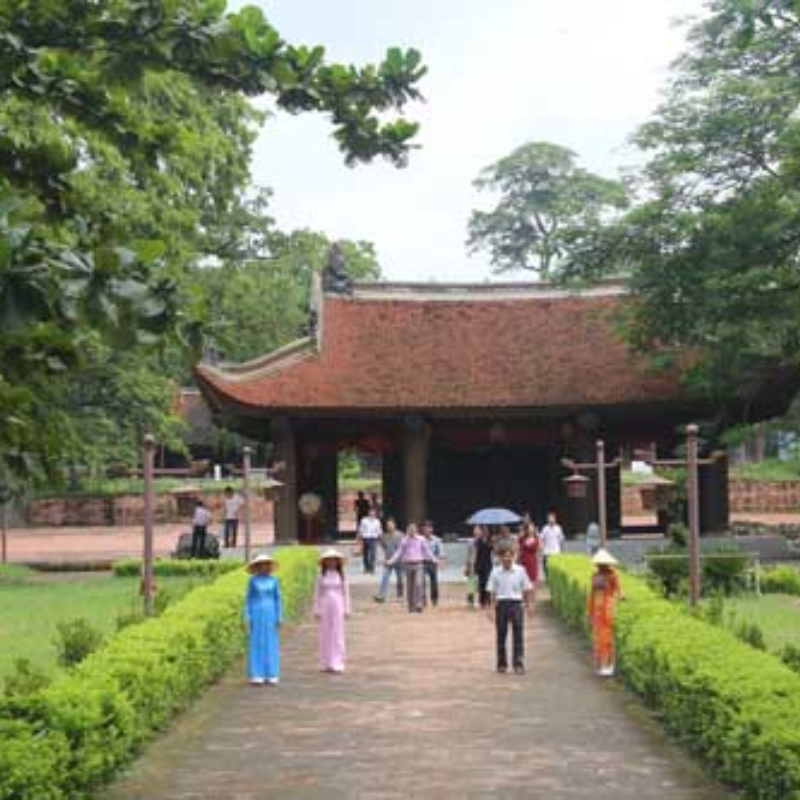
King Le Loi Temple - Lam Kinh is an important part of the Lam Kinh historical complex, located in Xuan Lam Commune, Tho Xuan District, Thanh Hoa Province. Where is Lam Kinh? This historical complex is located about 50km northwest of Thanh Hoa city center. The address of King Le Loi Temple is situated in a vast space, covered by ancient green trees, offering a sense of peace and solemnity. We remember the first time we set foot here, the ancient and sacred atmosphere enveloped the entire space, deeply moving our hearts. The location of King Le Loi Temple is easy to find; you can use the King Le Loi Temple map or navigation apps to get there conveniently.
History of King Le Loi Temple - Lam Kinh

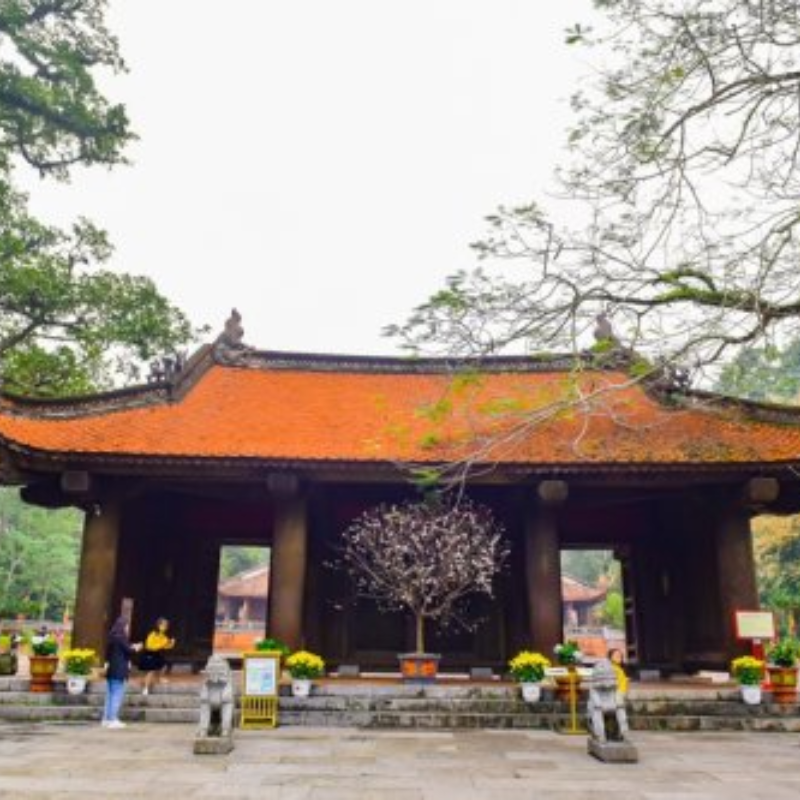
The history of King Le Loi Temple is associated with the great life and career of King Le Loi. He led the Lam Son Uprising (1418-1427) to defeat the invading Ming army, reclaim national independence, and establish the Early Le Dynasty. After ascending the throne, King Le Loi ordered the construction of Lam Kinh as a place for the Le kings to reside when returning to worship their ancestors. King Le Loi Temple was built in 1430, after he became king, and by 1433, after Le Loi passed away, this place officially became the king's temple. The history of King Le Loi Temple's formation is a testament to the reverence and gratitude of subsequent generations towards the heroic king.
Who Often Visits King Le Loi Temple - Lam Kinh and Why?

King Le Loi Temple - Lam Kinh is an attractive destination for many types of visitors:
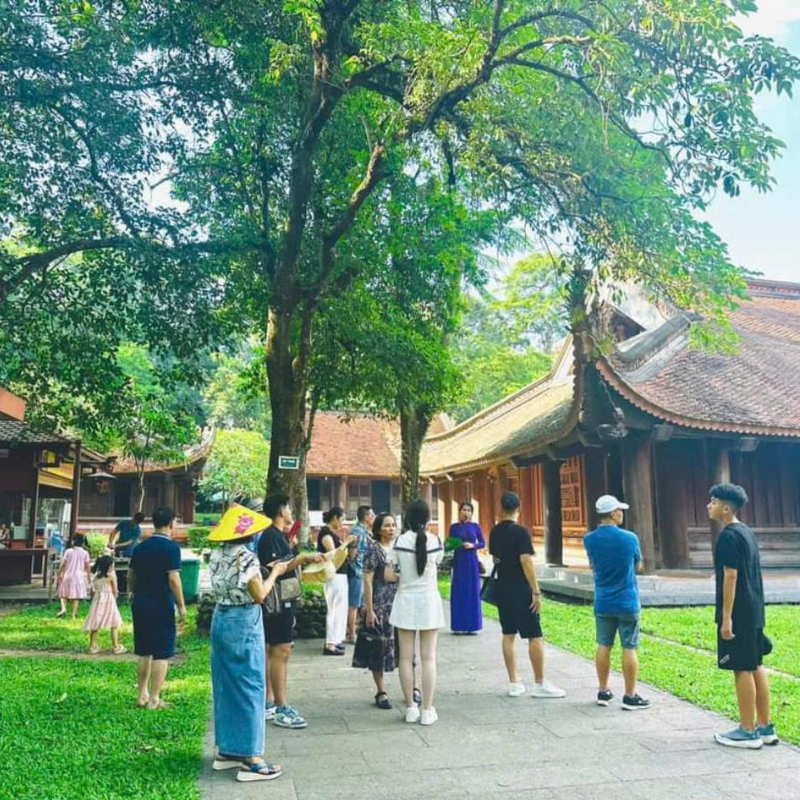
- Domestic tourists: They come here to learn who King Le Loi was, about the heroic Lam Son Uprising, admire the unique architecture of King Le Loi Temple, and participate in the traditional Lam Kinh Festival.
- International tourists: They want to discover an important part of Vietnamese history, learn about the distinctive Lam Kinh culture, and admire the ancient beauty of the historical complex.
- Students: This is an ideal place to study history, culture, and the patriotic traditions of the nation.
- Local residents: Le Loi Temple Thanh Hoa is a sacred place where they come to commemorate the merits of King Le Loi and pray for good things.
We feel that the significance of King Le Loi Temple is not just a historical relic but also a symbol of independence, self-reliance, and deep gratitude towards our ancestors.
How to Get to King Le Loi Temple - Lam Kinh
Getting to King Le Loi Temple - Lam Kinh is quite convenient:
- Personal car: From Hanoi, you can take National Highway 1A or Ho Chi Minh Highway towards Thanh Hoa, then follow the signs to Tho Xuan district and the Lam Kinh historical complex. The road to King Le Loi Temple is very easy to follow with road signs.
- Bus: There are many bus routes from various provinces to Tho Xuan town. From there, you can take a taxi or xe om (motorbike taxi) to Lam Kinh. How to get to Lam Kinh by bus is an economical option.
- Motorbike: For young people who love exploration, a motorbike is an ideal means of transport to enjoy the scenery along the way. The route to Lam Kinh Thanh Hoa by motorbike will be an exciting experience.
- From Thanh Hoa: If you depart from Thanh Hoa city, you can take National Highway 47 northwest to Tho Xuan district and King Le Loi Temple.
We recommend using online map applications for the most detailed and convenient directions to King Le Loi Temple.
Costs When Visiting King Le Loi Temple - Lam Kinh

Generally, visiting the Lam Kinh historical complex and King Le Loi Temple is free. However, you might want to budget for the following expenses:
- Transportation costs: Depending on your chosen mode of transport.
- Food and drink costs: There are several eateries near the historical site serving local specialties.
- Shopping costs: You can purchase some souvenirs near the entrance.
- Other costs: Such as parking fees (if applicable).
We note that the cost for a trip to Lam Kinh is usually not too expensive, suitable for a wide range of visitors.
Tips for Visiting King Le Loi Temple - Lam Kinh

To make your visit to King Le Loi Temple - Lam Kinh more meaningful, We would like to share some tips for visiting Lam Kinh:
Best time to visit: You can visit Lam Kinh at any time of the year. However, if you want to participate in the Lam Kinh Festival, it takes place on the 21st and 22nd of the 8th lunar month annually.
- Attire: It is recommended to wear polite and modest clothing when entering sacred areas.
- Research beforehand: Reading about the history of King Le Loi Temple, the architecture of King Le Loi Temple, and other related information about the Lam Kinh historical complex will help you gain a deeper understanding of its historical and cultural value.
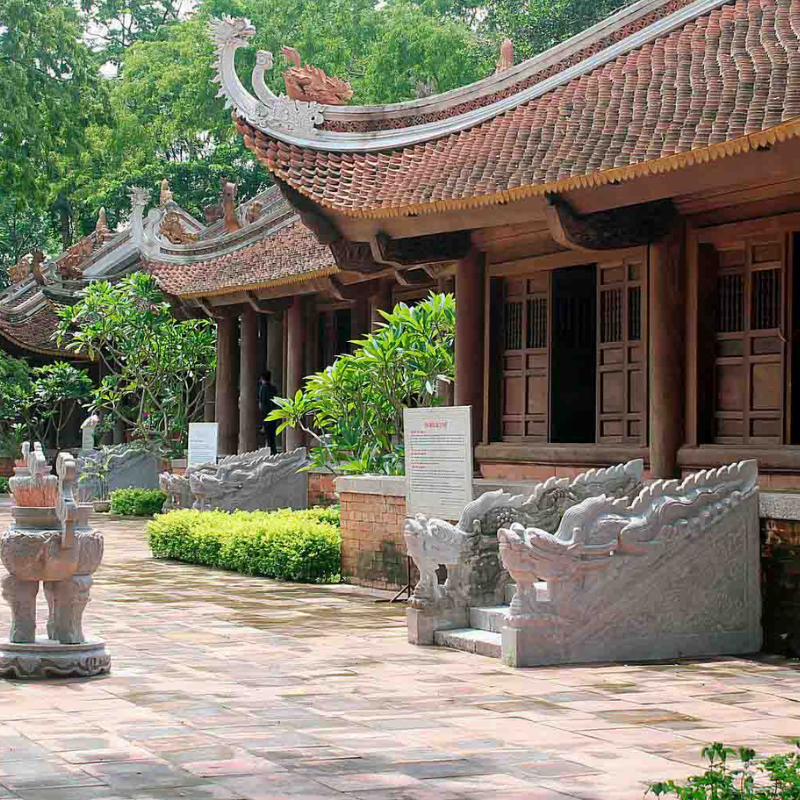
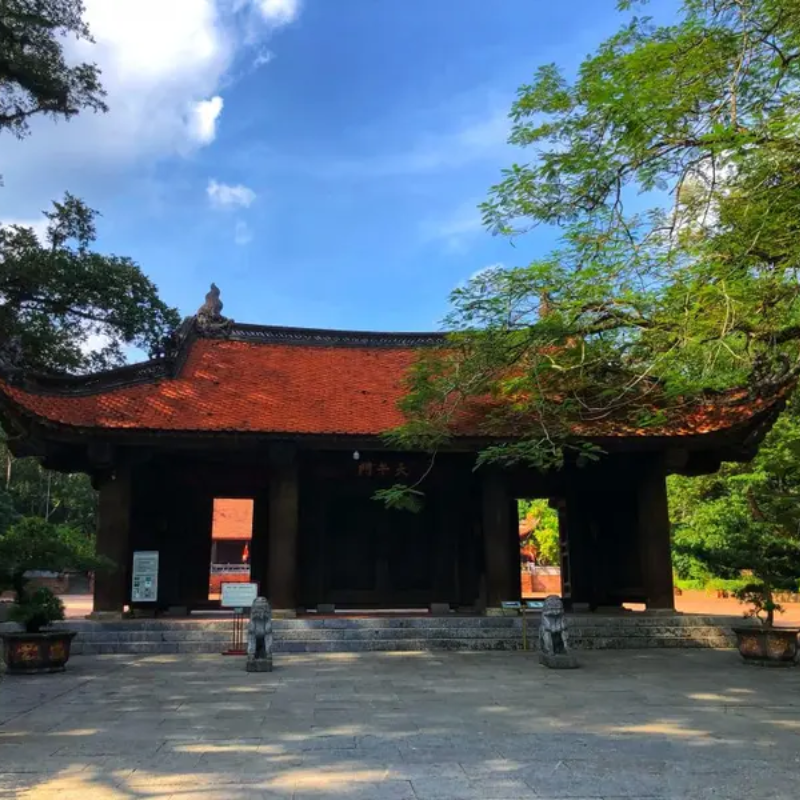
- Visit other areas: Besides King Le Loi Temple, take time to explore other architectural structures within the Lam Kinh historical complex such as Ngo Mon Gate, Dragon Courtyard, Lam Kinh Palace, Thai Mieu Temple, and the tombs of the Le kings.
- Maintain cleanliness: Please maintain general hygiene and do not litter within the historical complex.
We believe that with thorough preparation, you will have a truly meaningful and memorable visit to Lam Kinh.
Famous Nearby Attractions to King Le Loi Temple - Lam Kinh (What to Eat? What to Do?)

After visiting King Le Loi Temple - Lam Kinh, visitors can explore further:
- Ba Trieu Temple: Not too far from Lam Kinh, this is where Lady Triệu Thị Trinh, a heroic symbol of the nation in the resistance against the Wu invaders, is worshipped.
- Pu Luong Nature Reserve: Famous for its wild natural beauty, lush terraced fields, and unique ethnic villages, located about 70km from Lam Kinh.
- Ho Citadel: A World Cultural Heritage site with unique architecture built entirely of blue stone, about 30km from Lam Kinh, bearing the strong historical imprint of the Ho Dynasty.
Regarding local cuisine, don't miss:
- Thanh Hoa Fermented Pork Roll (Nem Chua): A specialty made from fermented pork, with a characteristic refreshing sour and slightly spicy taste, a famous specialty of this region.
- Tu Tru Gai Cake (Banh Gai Tu Tru): A special type of thorny cake from Tu Tru village with a chewy, fragrant crust and a sweet mung bean filling, offering an unforgettable traditional flavor.
- Banh Rang Bua: A rustic cake made from plain rice flour, with a filling of minced meat and wood ear mushrooms, usually wrapped in banana leaves and steamed, a popular breakfast or snack.
- Ink River Carp (Ca Me Song Muc): Carp raised in Ink River has delicious and firm meat, often prepared by locals into many attractive dishes such as grilling, braising, or soup.
LocalTrips.ORG Specializes in Providing Search Information and Tourist Attractions at King Le Loi Temple - Lam Kinh

LocalTrips.ORG is always ready to provide you with the most complete and detailed information about King Le Loi Temple and the Lam Kinh historical complex. From suggested Lam Kinh itineraries to useful tips for visiting Lam Kinh, we wish to accompany you on your journey to discover this valuable cultural heritage. If you wish to book a Lam Kinh tour, please contact us for the best advice and support.
FAQ About King Le Loi Temple - Lam Kinh?

To provide you with more useful information about King Le Loi Temple - Lam Kinh, We have compiled some frequently asked questions:
What is King Le Loi Temple? This is a temple dedicated to the founding king of the Early Le Dynasty, the national hero Le Loi, located within the Lam Kinh historical complex in Thanh Hoa.
What are the opening hours of King Le Loi Temple? Typically, the opening hours of King Le Loi Temple and the Lam Kinh historical complex are from morning until late afternoon on all days of the week. However, you should check specific information before your visit.
How much is the entrance fee to King Le Loi Temple? Currently, visiting King Le Loi Temple and the Lam Kinh historical complex usually does not require an entrance fee to King Le Loi Temple.
Are there any hotels or guesthouses near Lam Kinh? Around Lam Kinh, there are several hotels near Lam Kinh and guesthouses near Lam Kinh with various price ranges, so you can easily find suitable accommodation.
When is the Lam Kinh Festival held? The Lam Kinh Festival is held on the 21st and 22nd of the 8th lunar month annually to commemorate the merits of King Le Loi and the Le dynasty kings.
Where can I find information about the Le dynasty kings? The Lam Kinh historical complex is the place of worship and burial for many Le dynasty kings; you can find detailed information at the temples, stele houses, and museums within the complex.
Where can information about King Le Loi Temple be found? You can find a lot of information about King Le Loi Temple on travel websites, cultural and historical information sites, and the official website of Thanh Hoa province.
We hope that this information will help you have a complete and meaningful trip to King Le Loi Temple - Lam Kinh, to better understand the historical relics and beliefs of our nation.


Related collection
Explore collections containing this product


