


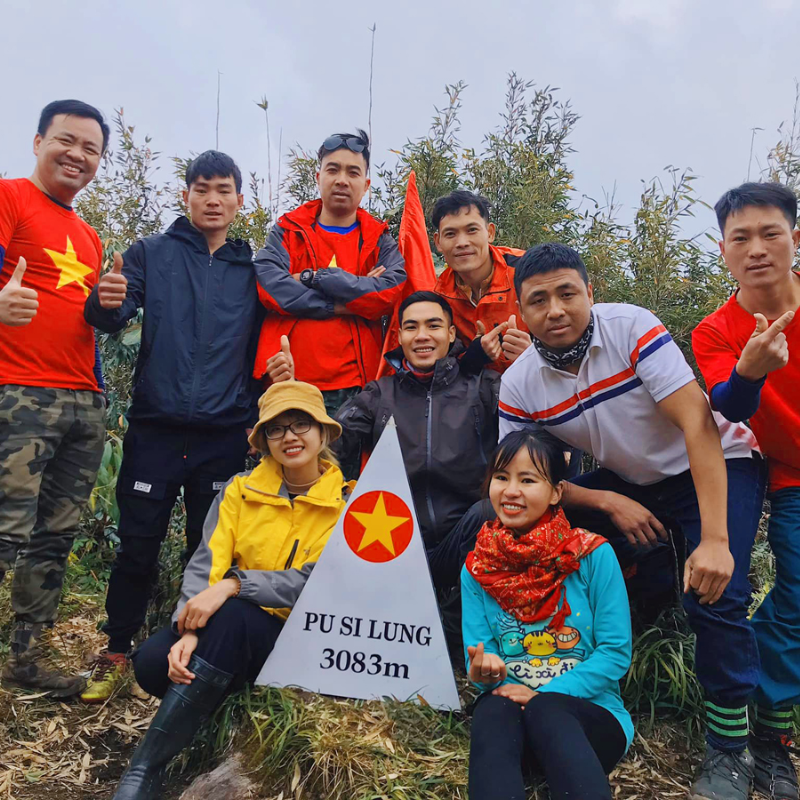
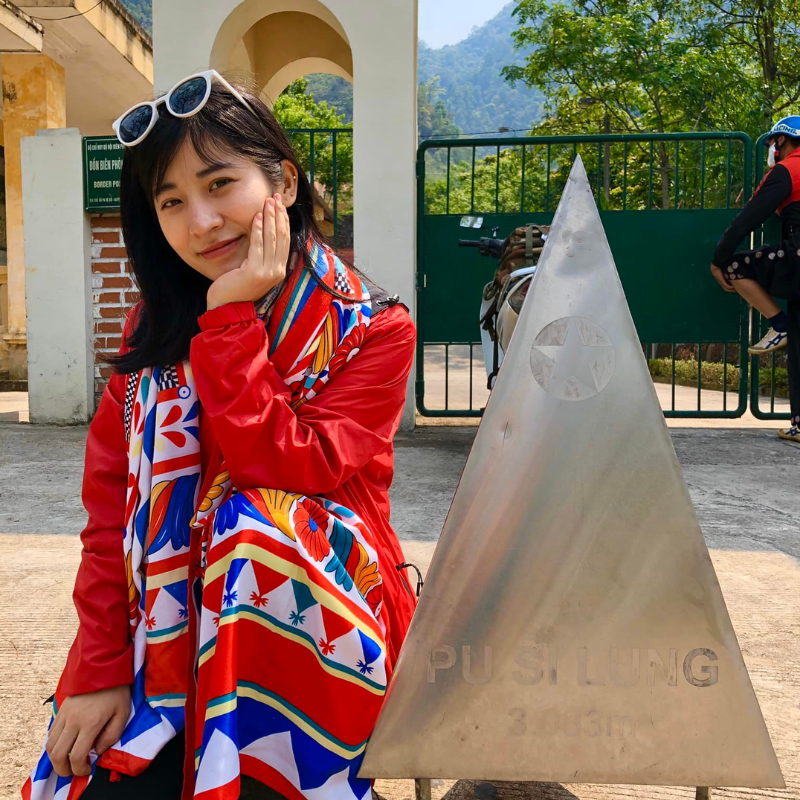

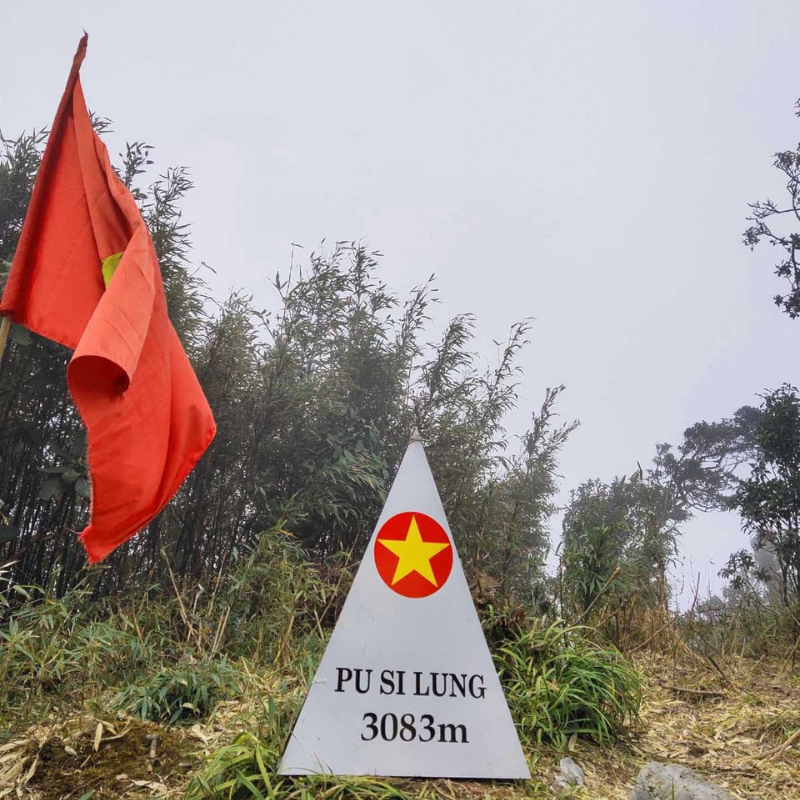

Are you looking for a new challenge, a place to conquer your limits and immerse yourself in majestic nature? Then, let Localtrips.ORG take you to Pu Si Lung Peak, a sacred mountain hidden on the Vietnam-China border, and experience its intense charm! But before we embark on this adventurous Pu Si Lung trekking journey, let's find out what Pu Si Lung is and what makes this mountain so special!
Introduction to Pu Si Lung Peak, Where Is It Located?

Pu Si Lung Peak, also known as Pu Si Lung mountain, is not only a majestic high mountain but also a symbol of the Lai Chau region. Introducing Pu Si Lung Peak, it is one of the highest mountains in Vietnam, standing proudly on the sacred border, likened to the third "roof" of the Northwest. Pu Si Lung Peak possesses a wild, mysterious, and utterly charming beauty, challenging the hearts of those passionate about conquering.
So where is Pu Si Lung Peak located? Let Localtrips.ORG guide you there. The address of Pu Si Lung Peak is in Pa Tan Commune, Muong Te District, Lai Chau Province.
The location of Pu Si Lung Peak is in the Vietnam - China border area, about 30km from Muong Te town center. If you still don't have a clear idea of where Pu Si Lung Peak is, don't worry, we will provide the most detailed directions to Pu Si Lung in a later part of this article.
And if you want to know how high Pu Si Lung is, the exact height of Pu Si Lung is 3,083 meters above sea level, an impressive and remarkable figure. To help you better visualize the terrain and route, Localtrips.ORG will provide a Pu Si Lung map in a later section of the article.
History of Pu Si Lung Peak Formation

The history of Pu Si Lung Peak is intertwined with the long geological formation process of the Hoang Lien Son mountain range. Pu Si Lung mountain was formed millions of years ago, as a result of the incessant movement of the Earth's crust. The name "Pu Si Lung" bears the distinctive accent of the Northwest region, evoking a sense of wildness and mystery. The origin of the name Pu Si Lung Peak remains a mystery, but according to many locals, this name may originate from the language of the Ha Nhi ethnic group, meaning something related to the majesty and grandeur of the mountain.
Pu Si Lung Peak is not just an insentient mountain, but also a part of the history and culture of Lai Chau. This mountain is considered a solid "rampart," protecting the land and sky of Lai Chau from external influences. Throughout history, Pu Si Lung Peak has witnessed many ups and downs of the border region, and has become a silent witness to the changes of time. Today, Pu Si Lung Peak is not only an attractive tourist destination, but also a natural and cultural heritage that needs to be preserved and promoted.
Who Usually Visits Pu Si Lung Peak and For What Purpose?

What is so special about Pu Si Lung Peak that makes so many trekking enthusiasts yearn to conquer it? What makes Pu Si Lung Peak attractive to become one of the ultimate Pu Si Lung check-in spots in the Northwest? Localtrips.ORG will reveal the exciting things that await you at Pu Si Lung Peak:
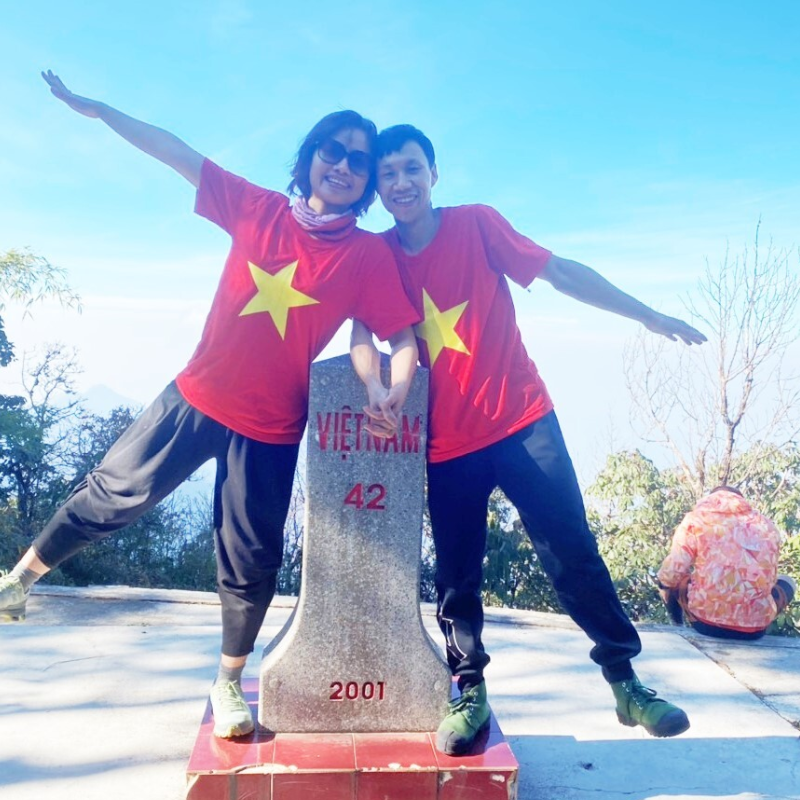
- Conquer the border marker: The primary goal of those climbing Pu Si Lung Peak is to conquer border marker number 42, a sacred symbol marking national sovereignty. The marker stands proudly on the high mountain peak at 2,800m, made of sturdy granite, a testament to the will and effort of those who conquer Pu Si Lung. We have experienced the overwhelming feeling of touching the marker, and felt a surge of pride when standing on the sacred mountain peak of the Fatherland.
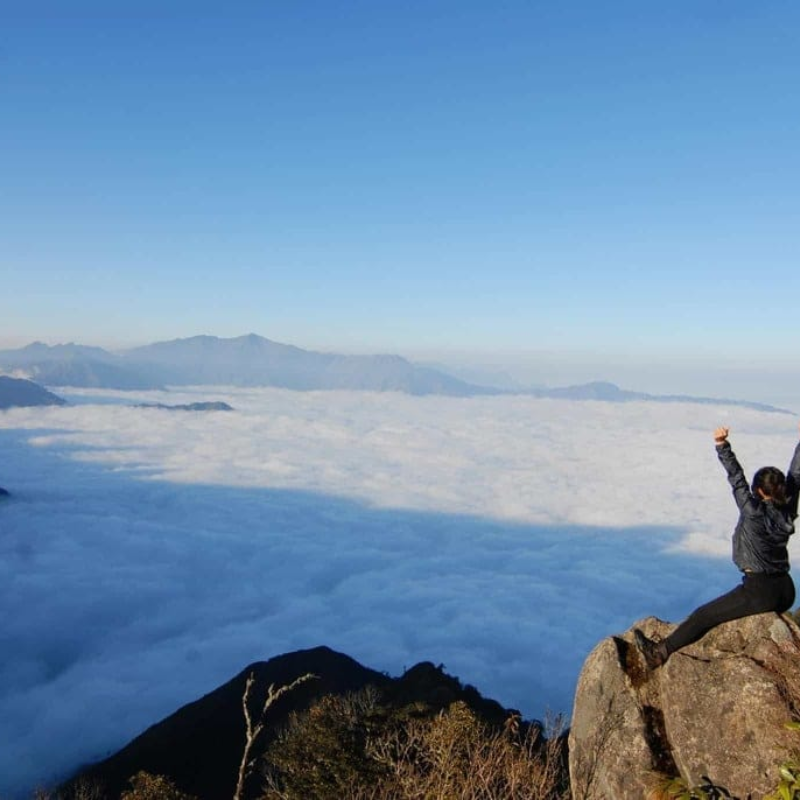
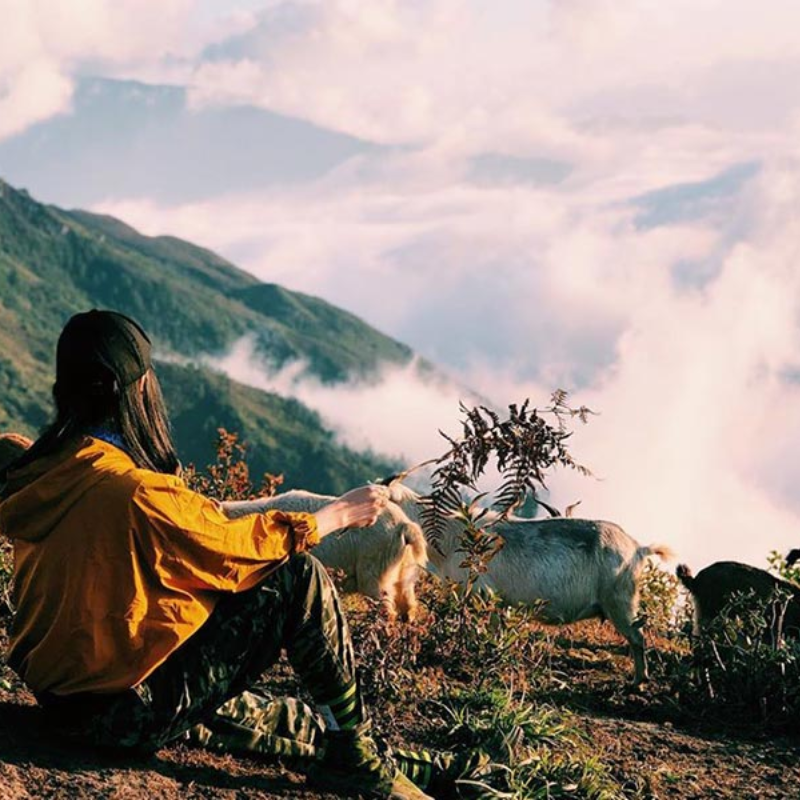
- Cloud hunting on the mountaintop: Pu Si Lung Peak is known as the "cloud hunting paradise" of the Northwest. With an altitude of over 3,000m, Pu Si Lung Peak is an ideal place to admire the floating, magical sea of clouds every early morning or late afternoon. Cloud hunting at Pu Si Lung, you will be able to behold the beautiful natural scenery, as if lost in a fairyland. Watching the sunrise on Pu Si Lung and watching the sunset on Pu Si Lung are also memorable experiences that you should not miss.
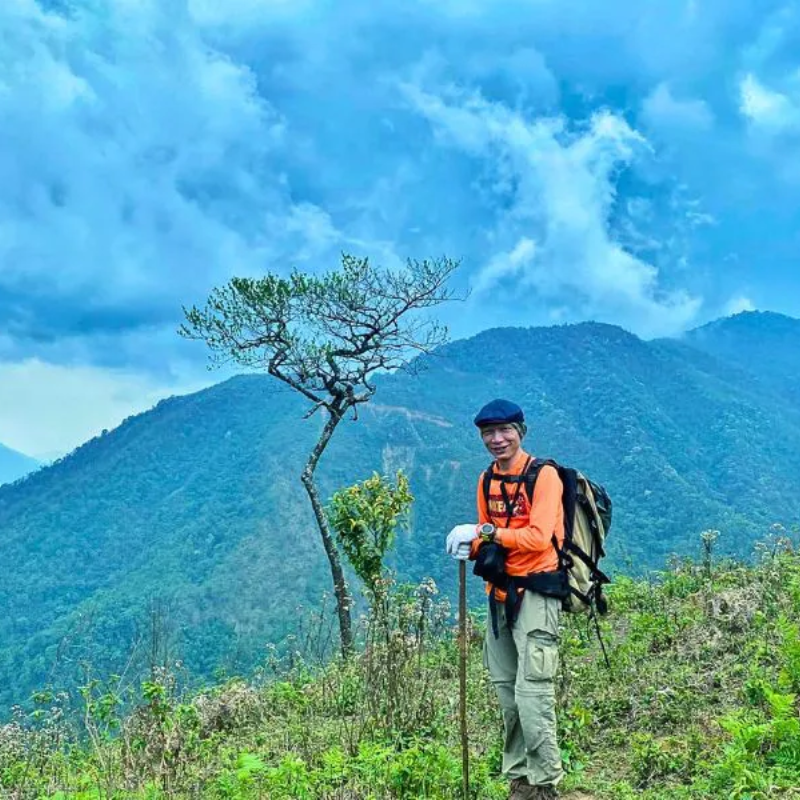
- Explore the primeval forest: The Pu Si Lung trekking route takes you through wild and mysterious primeval forests. Pu Si Lung forest is almost completely preserved, with diverse and rich vegetation. Exploring Pu Si Lung forest, you will be able to admire towering ancient trees, colorful wild flowers, and enjoy the fresh, pure air of the mountains and forests. Pu Si Lung primeval forest is not just a beautiful landscape, but also an invaluable treasure that needs to be protected and preserved.
- Conquer Ba Tieng Pass: Ba Tieng Pass is one of the biggest challenges on the Pu Si Lung trekking route. As the name suggests, you will have to overcome this pass in about 3 hours, with rugged, mossy, and slippery terrain. Conquering Ba Tieng Pass requires perseverance, endurance, and courage from those who conquer. However, once you overcome this challenge, you will feel immensely proud and happy about yourself.
How to Get to Pu Si Lung Peak Attraction
When is the best season to go to Pu Si Lung? When is the best time to climb Pu Si Lung? According to the Pu Si Lung trekking experience of Localtrips.ORG and many other backpackers, the ideal time to climb Pu Si Lung is from September to April of the following year. This is the dry season, the weather at Pu Si Lung is dry, cool, and favorable for traveling and climbing. The weather at Pu Si Lung during this season is also very suitable for cloud hunting and sightseeing.
However, if you want to admire the wild and mysterious beauty of Pu Si Lung forest during the rainy season, you can trek Pu Si Lung from May to August. At this time, the mountains and forests become greener and cooler, but the path can be slippery and more difficult. Checking the Pu Si Lung weather forecast before going is very important, especially during the rainy season, to ensure the safety of the trip.
How to get to Pu Si Lung? Is the road to Pu Si Lung difficult? Localtrips.ORG will provide detailed directions to Pu Si Lung so that you can easily conquer this majestic mountain:
Means of transportation: What vehicle to take to Pu Si Lung? The most common means of transportation to Pu Si Lung are buses and motorbikes. If you want to save costs and have a memorable Northwest backpacking experience, then a motorbike is an excellent choice. Renting a motorbike to Pu Si Lung in Lai Chau city or Muong Te town is quite easy and convenient. If you want to travel more comfortably and safely, then a bus is a suitable option. Buses to Pu Si Lung have many trips from Hanoi and neighboring provinces to Muong Te town.
Travel route: Starting from Hanoi, you can take National Highway 32 or National Highway 6 to Lai Chau city. How far is Pu Si Lung from Hanoi? The distance from Hanoi to Pu Si Lung is about 450km. How long does it take to go from Hanoi to Pu Si Lung? The travel time by bus is about 10-12 hours. From Lai Chau city, you continue to Muong Te town (about 150km) and then to Pa Tan commune, where the Pu Si Lung trekking starting point is located. The road to Pu Si Lung is quite remote and rugged, especially the section from Muong Te town to Pa Tan commune, which mainly consists of mountain passes and dirt roads. However, the beautiful natural scenery along the way will make you forget the difficulties and fatigue.
Costs When Visiting Pu Si Lung Peak Attraction

What are the costs when visiting Pu Si Lung Peak attraction? Localtrips.ORG will provide estimated information about the necessary costs for your Pu Si Lung trekking trip:
- Transportation costs: The cost of traveling by bus from Hanoi to Lai Chau and Muong Te town is approximately 500,000 - 800,000 VND/person/round trip. If renting a car to Pu Si Lung to self-drive, the cost will be higher, around 1,500,000 - 2,500,000 VND/day, not including fuel and toll fees. The cost of renting a motorbike taxi or taxi from Muong Te town to the trekking starting point is about 200,000 - 300,000 VND/trip.
- Porter rental costs: Renting a Pu Si Lung porter is necessary for those trekking for the first time or carrying a lot of luggage. Porter rental costs range from 300,000 - 500,000 VND/day, depending on the amount of luggage and the porter's experience. Porters not only help you carry your belongings but are also reliable guides and provide valuable experience throughout the trekking journey.
- Food costs: Food costs throughout the Pu Si Lung trekking journey are around 200,000 - 300,000 VND/person/day. You can prepare your own food or ask the porter to prepare meals. Dining near Pu Si Lung in Muong Te town has many restaurants serving local dishes at reasonable prices. Specialties near Pu Si Lung include Muong Te black chicken, "ca bong vui tro" (gobies buried in ash), sticky rice, etc.
- Overnight stay and camping costs: Overnight stays on Pu Si Lung are a unique and memorable experience. You can camp at Pu Si Lung at the rest stops on Pu Si Lung or Pu Si Lung viewpoints located along the trekking trail. The cost of renting a tent at Pu Si Lung is about 100,000 - 200,000 VND/tent/night. If you do not want to camp, you can choose a guesthouse near Pu Si Lung or a homestay near Pu Si Lung in Muong Te town or nearby villages.
- Permit fees for climbing: Do you need a permit to go to Pu Si Lung? The answer is yes. You need to apply for a Pu Si Lung climbing permit at the Lai Chau Provincial Border Guard Command. A Pu Si Lung climbing permit is mandatory to ensure the security and safety of tourists when trekking in the border area. The cost of applying for a Pu Si Lung climbing permit may vary depending on regulations, but it is usually not too high.
Tips for Visiting Pu Si Lung Peak

For your conquest of Pu Si Lung to be safe, smooth, and complete, Localtrips.ORG would like to share some valuable Pu Si Lung trekking tips:
- Prepare your health and physical fitness: The difficulty of trekking Pu Si Lung is rated as difficult, requiring climbers to have good health and endurance. Before trekking Pu Si Lung, you should exercise regularly to improve your stamina and endurance.
- Prepare necessary items: What to prepare for Pu Si Lung? Necessary items for trekking Pu Si Lung include: Specialized trekking shoes, waterproof backpack, warm clothes, rain jacket, gloves, hat, Buff, flashlight, lighter, multi-tool knife, first-aid kit, drinking water, snacks,
- Choose a suitable trekking itinerary: Pu Si Lung trekking 3 days 2 nights and Pu Si Lung trekking 4 days 3 nights are the two most popular itineraries.
- Research the route carefully: The Pu Si Lung trekking trail is quite complex and steep, with many mountain passes and dense forests.
- Obtain permits and respect regulations: Do you need a permit to go to Pu Si Lung? A Pu Si Lung climbing permit is mandatory. You need to apply for a permit before climbing and comply with the regulations of the Border Guard and local authorities. Respecting nature, culture, and local people is also an important part of the Pu Si Lung travel experience.
Famous Places Near Pu Si Lung Peak (What to Eat? What to Do?)

Explore the Nature and Rich Culture of the Northwest:
- Lai Chau City: As the provincial capital of Lai Chau, Lai Chau City is not only a convenient stop on the way to Pu Si Lung but also home to many hotels, guesthouses, restaurants, and other tourism services. When visiting Lai Chau City, you can visit Lai Chau Square, Lai Chau Museum, and Lai Chau market fair (if you visit on the right market day) to explore the local culture and cuisine. We suggest you spend time wandering around the city, experiencing the simple and hospitable daily life of the local people.
- Sin Ho Plateau: Not too far from Pu Si Lung Peak, Sin Ho Plateau is an attractive tourist destination with a cool climate year-round and magnificent natural scenery. Traveling to Sin Ho, you will be able to admire vast terraced fields, lush green tea hills, and discover the unique culture of the Mong ethnic people. We have experienced tourism in Sin Ho and were captivated by the pristine and peaceful beauty of this plateau. This is an ideal destination for you to experience cloud hunting in Pu Si Lung from a different perspective, or simply to enjoy the fresh and cool air after a trekking journey.
- Tac Tinh Waterfall: If you love the poetic beauty of waterfalls, then Tac Tinh Waterfall is an unmissable choice. Tac Tinh Waterfall is located on the way to Pu Si Lung, about 30km from Pu Si Lung Peak, and is one of the most beautiful waterfalls in Lai Chau, associated with a tragic and romantic love story. Visiting Tac Tinh Waterfall, you can swim in the waterfall, take photos to check in Pu Si Lung, and enjoy the fresh natural environment. Beautiful photos of Pu Si Lung and Tac Tinh Waterfall will surely be memorable moments on your trip.
- Vang Pheo Community-based Tourism Village: To explore the unique culture of the Dao ethnic people, Vang Pheo Community-based Tourism Village is an ideal destination. Visiting Vang Pheo Village, you will get to experience the daily life of the local people, visit unique rammed-earth houses, enjoy traditional cuisine, and participate in distinctive cultural activities. Community-based tourism in Vang Pheo Village promises to bring you impressive and intimate cultural experiences. We believe that the experience in Vang Pheo Village will help you understand more about the local culture of Pu Si Lung and its people.
- O Quy Ho Pass: If you are an adventurous backpacker who loves to explore magnificent mountain passes, then O Quy Ho Pass is an unmissable challenge. O Quy Ho Pass is renowned as one of Vietnam's "four great mountain passes," with winding and perilous curves and spectacular natural scenery. Conquering O Quy Ho Pass, you will be able to admire the panoramic view of the magnificent and poetic Northwest mountains. Although O Quy Ho Pass is located in Lai Chau, it is quite far from Pu Si Lung; however, if you have enough time and means of transportation to Pu Si Lung such as a motorbike or self-driving car, this is still a destination worth considering.
What to Eat Near Pu Si Lung Peak?
What specialties are there to eat near Pu Si Lung? Lai Chau cuisine in general and the Pu Si Lung Peak area in particular are very diverse and rich, bearing the distinctive flavors of the Northwest mountains. Localtrips.ORG would like to suggest some specialty dishes that you should enjoy when visiting Pu Si Lung Peak:
- Muong Te charcoal-grilled chicken: Grilled chicken is one of the most famous specialty dishes of Lai Chau, especially Muong Te grilled chicken. The chicken is free-range on the Pu Si Lung mountains, with firm and fragrant meat, marinated with rich spices and grilled over charcoal, creating an irresistible flavor. Restaurants near Pu Si Lung in Muong Te town and restaurants in Lai Chau City all serve this specialty grilled chicken. We evaluate Pu Si Lung through the taste of the grilled chicken and can see the uniqueness of the cuisine here.
- Gobies buried in ash: Gobies buried in ash is a unique and unusual dish of Muong Te. Fresh gobies are cleaned, marinated with spices, and buried in hot ash, cooked by the heat of the ash, retaining their natural sweetness and distinctive aroma. This is an excellent appetizer or a specialty dish near Pu Si Lung for you to enjoy with friends after a tiring mountain climb.
Localtrips.ORG hopes these suggestions will help you have more exciting dining and entertainment options when exploring the Pu Si Lung Peak and Lai Chau area. Wish you a fun trip and memorable experiences!
Local Trips .ORG Specializes in Providing Search Information and Tourist Attractions at Pu Si Lung Peak

The Local Trips team is proud to be your reliable companion on your journey to conquer Pu Si Lung Peak and explore Lai Chau. Our company always strives to provide the most detailed, authentic, and updated search information, travel experiences, Pu Si Lung reviews, Pu Si Lung evaluations, and Pu Si Lung experience sharing, helping you prepare thoroughly and confidently for your trip. Localtrips.ORG wants to bring you wonderful and memorable Pu Si Lung trekking experiences, exploring the majestic beauty of nature and the unique culture of the Northwestern region. Let's conquer Pu Si Lung Peak together and discover the wonders that await you ahead!
FAQ About Pu Si Lung Peak

To help you prepare best for your Pu Si Lung climb, Localtrips.ORG would like to synthesize and answer some frequently asked questions about Pu Si Lung Peak:
What's interesting about Pu Si Lung?
What's special about Pu Si Lung? Reviews of Pu Si Lung indicate that it is an attractive trekking destination due to its impressive altitude, majestic natural scenery, adventurous climbing challenges, and unique culture of the border region. The feelings about Pu Si Lung of many backpackers are very impressive and unforgettable about the feeling of conquering the peak and admiring the beautiful sea of clouds. How beautiful is Pu Si Lung? The beauty of Pu Si Lung lies not only in its natural landscape, but also in the emotions and experiences you gain throughout the journey of conquest.
Is Pu Si Lung worth visiting?
Reviews of Pu Si Lung from many sources show that it is a very worthwhile trekking destination in Northwest. If you are an adventure lover, want to challenge yourself and explore wild landscapes, then Pu Si Lung is a perfect choice. Comparing Pu Si Lung and Fansipan, Pu Si Lung offers a more wild and challenging trekking experience, while Fansipan has more developed tourism infrastructure.
What should be noted in the Pu Si Lung climbing experience?
Sharing Pu Si Lung experiences, you need to note a few things: Prepare good health and physical fitness, full necessary equipment, ask for permission to climb before going, hire a porter guide, choose a suitable trekking time (dry season), and respect nature and local culture. Is Pu Si Lung dangerous? Is climbing Pu Si Lung difficult? The answer is yes, Pu Si Lung is a difficult mountain to conquer and has many potential dangers, so you need to be extremely careful and prepare thoroughly.
How long does it take to trek Pu Si Lung?
The average trekking time for Pu Si Lung is 3 days 2 nights or 4 days 3 nights, depending on the itinerary and physical fitness of each person. Trekking Pu Si Lung for 3 days 2 nights is a quite rushed itinerary, requiring good physical fitness and climbing experience. Trekking Pu Si Lung for 4 days 3 nights allows you more time to explore the beautiful scenery and rest along the way.
Localtrips.ORG hopes this detailed Pu Si Lung Peak travel guide will provide you with useful information and help you plan your upcoming Pu Si Lung conquest trip. Wish you a safe, successful trekking journey and memorable memories at the "roof" of the Northwest!


Related collection
Explore collections containing this product


