





Nhon Hai Fishing Village: A Symphony Between Old Binh Dinh Sea and New Gia Lai 2026
Under the brilliant golden sun of Central Vietnam, where silver-capped waves lap against white sandy shores, Nhon Hai Fishing Village emerges like a vibrant watercolor painting. More than just a resort destination, it is a convergence of ancient cultural values from the era of Old Binh Dinh blended with the modern breath of New Gia Lai. If you are seeking a peaceful space to escape the city's hustle and bustle, a place with the gentle smiles of fishermen and crystal-clear waters, then Nhon Hai is the perfect answer.
From the experience of the Local Trips team, we have noted that the allure of Nhon Hai Quy Nhon stems not only from its natural landscape but also from its profound heritage. A practical lesson is that if you merely skim through the beaches without stopping at a coastal fishing village to chat with the locals, you will not grasp the soul of this land. As experts at LocalTrips.ORG, we crafted this article to help you unravel all the mysteries of Nhon Hai coastal village – dubbed the enchanting gateway to tourism.
Geographic Location of Nhon Hai Fishing Village: A Foothold on Phuong Mai Peninsula
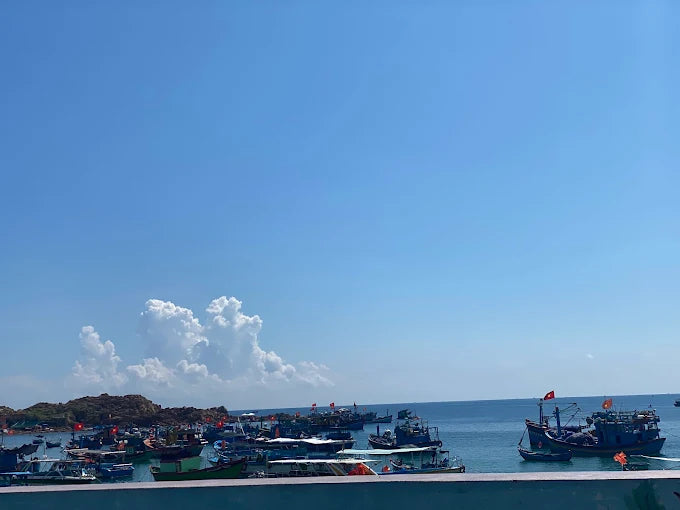
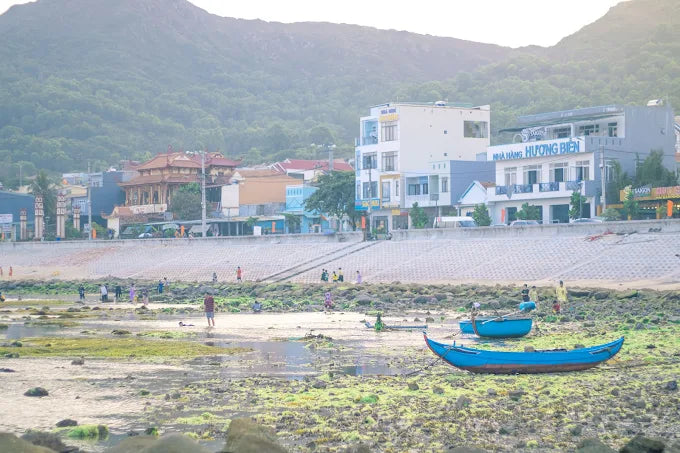
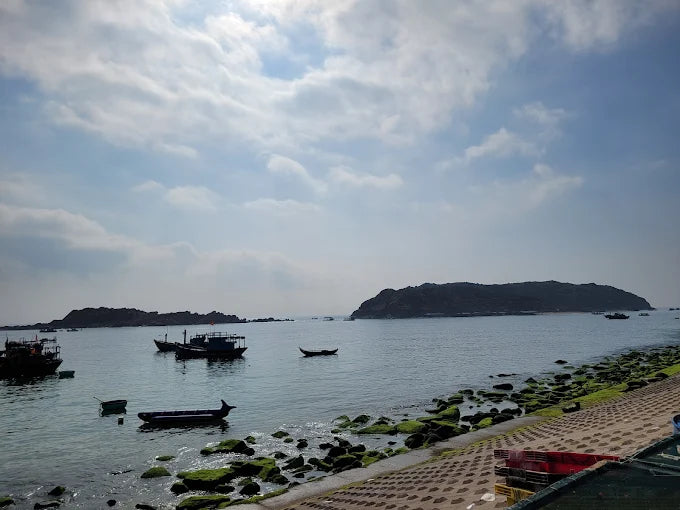
The question Where is Nhon Hai Fishing Village always marks the beginning of any journey. Located about 15-20 km from Quy Nhon city center, this island commune proudly sits on the Phuong Mai Peninsula. This strategic location, with one side leaning against majestic rocky mountains and the other facing the vast ocean, creates a stunning "mountain-backed, sea-facing" terrain.
In the new administrative flow of 2026, this area is no longer limited by old definitions. The formation of New Gia Lai has created a bridge connecting the red soil plateau and the salty sea. Nhon Hai now plays a role as a Central Highlands sea gateway, where visitors from Pleiku can easily touch the Central Vietnamese waves through a synchronized upgraded transportation system. This location is also very close to other famous landmarks such as Thi Nai Lagoon or the Hai Giang economic tourism urban area, creating a diverse and rich tourism complex.
Famous Tourist Attractions Near Nhon Hai Fishing Village: Unmissable Check-in Coordinates
Upon arriving at this Binh Dinh fishing village, visitors will enter a world of ultimate marine tourism experiences. Below are the stops that any travel enthusiast must crave:
-
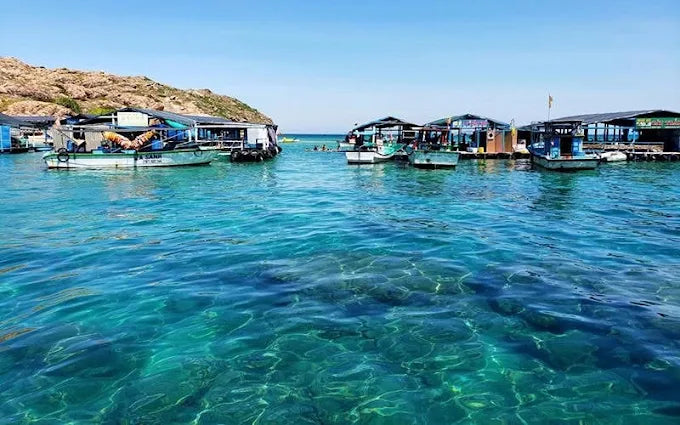
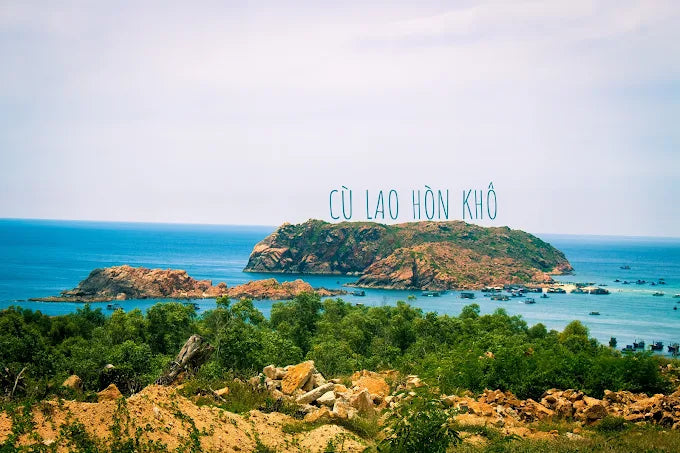
Hon Kho: Just a few minutes by boat from the pier, this island is famous for its unique underwater road and vibrant coral reefs.
-
Underwater ancient city wall: A mysterious historical relic that only appears at low tide, bearing the distinct mark of the ancient Champa kingdom.
-
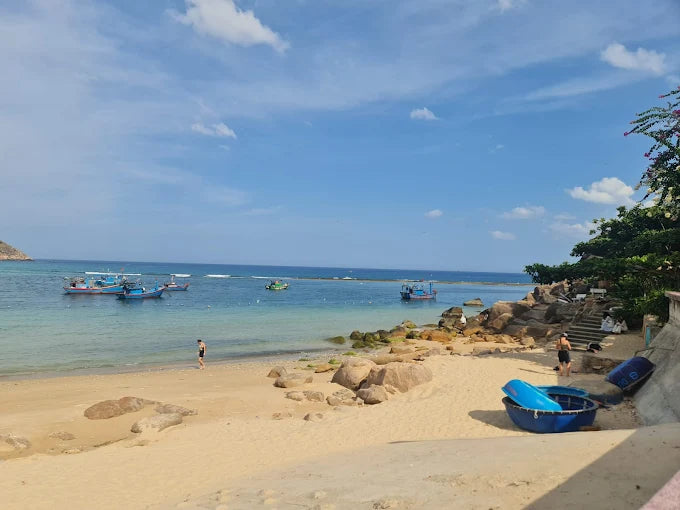
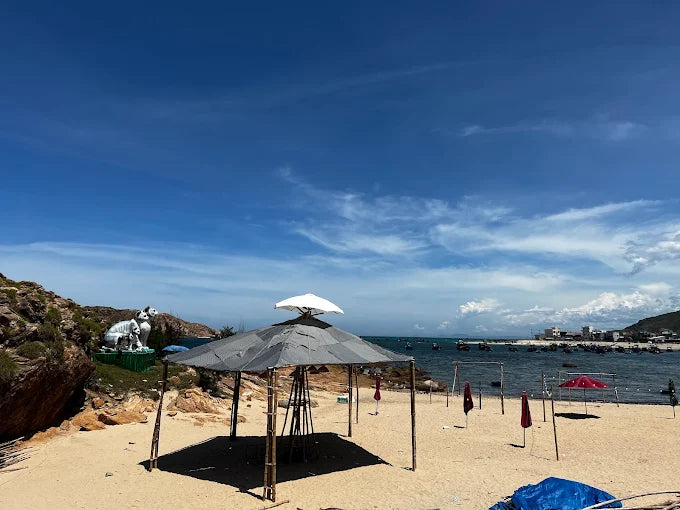
Nhon Hai Beach: With its fine sand and clear waters, this is an ideal place for swimming at Nhon Hai and relaxing after stressful working days.
-
Coastal rock formations: Oddly shaped rocks stacked upon each other create a perfect backdrop for artistic photographs.
-
Nhon Ly Commune: Located on the other side of the peninsula, home to the famous Ky Co and Eo Ghi (Wind Strait), very convenient for connecting in an island hopping itinerary.
[Image: Panoramic view of Nhon Hai fishing village from above - Alt text: The peaceful beauty of Nhon Hai Quy Nhon fishing village with undulating roofs along the blue coast]
History of Nhon Hai Fishing Village: A Thousand-Year Legacy of Xu Nau
The history of this traditional fishing village is closely linked to the pioneering footsteps of ancestors moving to the South Central coastal region. Nhon Hai was formerly home to resilient Central Vietnamese fishermen, who transformed this sunny and windy land into a prosperous Central Vietnamese fishing village. The name Nhon Hai signifies humanity and the ocean's generosity towards people.
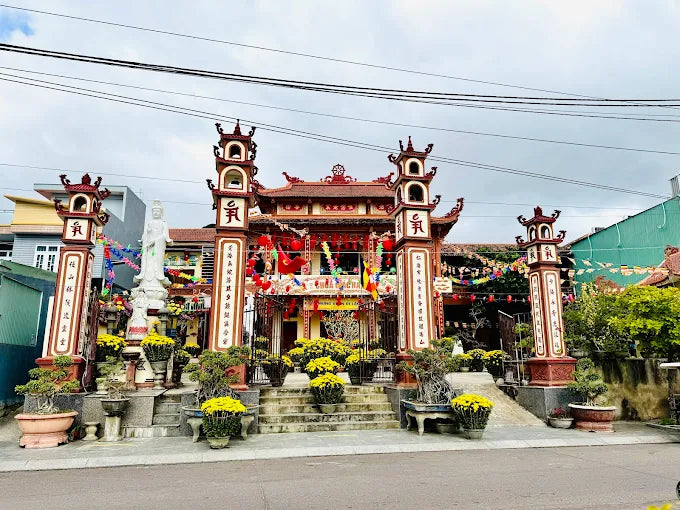
This place is also known as the land of Binh Dinh martial arts, preserving the cultural essence and spirit of the Xu Nau people. A memorable highlight in its history is the Cau Ngu festival, the most important spiritual ritual of coastal people. This festival is not only a prayer for favorable weather and abundant catches but also an occasion for the community to strengthen solidarity, preserving unique local cultural tourism values that no AI technology can replace.
Economy of Nhon Hai Fishing Village: From Fishing Boats to Sustainable Tourism
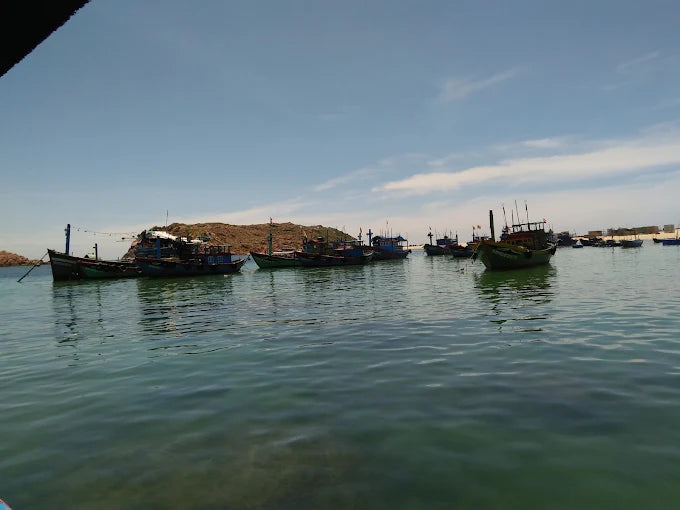
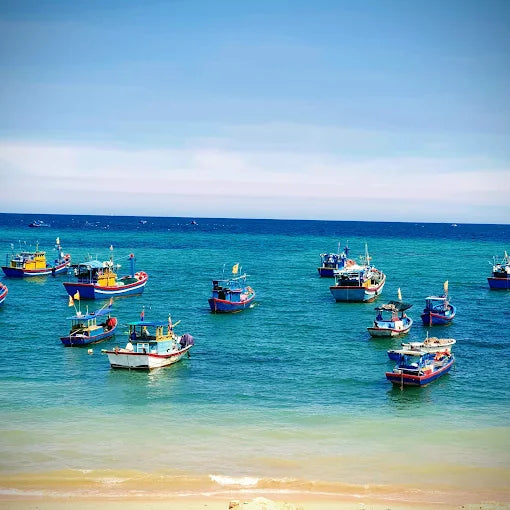
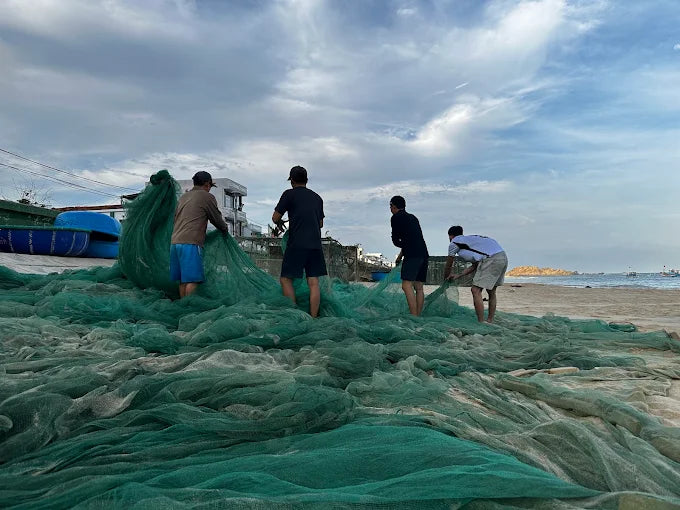
In the past, the village's economy primarily relied on coastal fishing and aquaculture. Fishing boats with full holds after each trip were a familiar sight in this coastal village. However, following the trend of sustainable tourism, Nhon Hai has made a spectacular transition to a coastal community tourism model.
The emergence of experiential travel types has brought significant income to the locals. Now, fishermen are not only skilled seafarers but also passionate guides, leading tourists to experience the coastal village. The connection between the sea and the highlands also promotes the consumption of Nhon Hai seafood in mountainous provinces, creating a sustainable economic value chain in the East-West corridor connecting the economy between the sea and the forest.
Nhon Hai Fishing Village Weather: Golden Season for "Hunting" Sunrise Photos
For a perfect Nhon Hai trip, understanding nature's rhythm is crucial. According to our experience visiting Nhon Hai, the period from March to August is the "golden season" for tourism.
-
Dry Season (March - August): Clear skies, calm seas, and crystal-clear waters. This is the best time to capture sunrises in the fishing village or participate in outdoor activities.
-
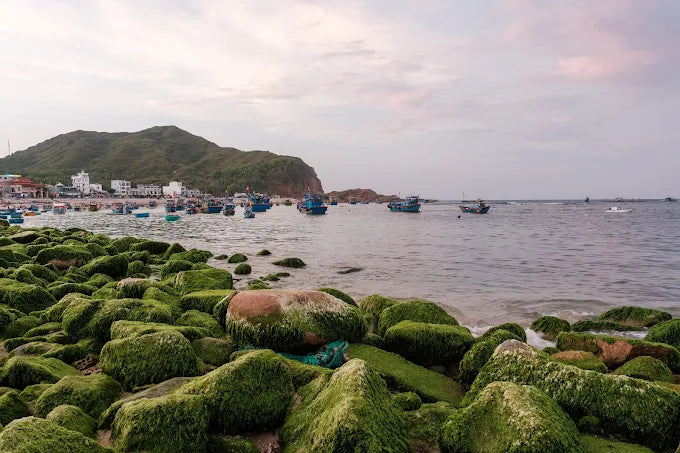
Rainy Season (September - February next year): The sea is rougher, but this is the season when green moss covers the coastal rocks, creating an eerie beauty for those who love tranquility.
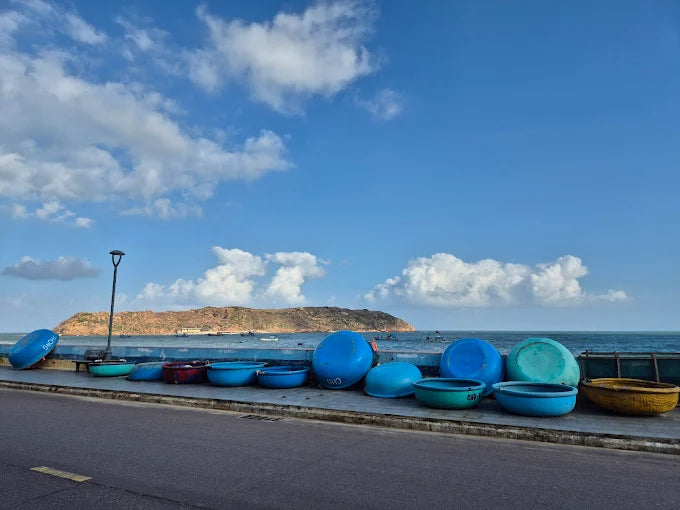
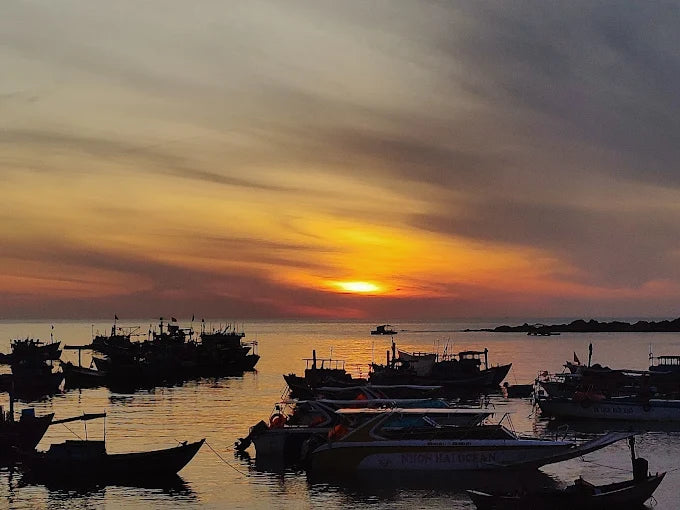
A practical tip is to start your day at 5 AM. As the first rays of sunlight filter through the basket boats moored on the sand, the entire fishing village awakens in a vibrant pink hue, creating an astonishingly beautiful Quy Nhon check-in spot.
Means of Transportation to Nhon Hai: Connecting Quy Nhon to Pleiku
The transportation infrastructure in 2026 has made exploring Vietnamese fishing villages easier than ever. There are several ways to reach this paradise:
-
Motorbike/Personal car: From Quy Nhon, cross the Thi Nai Bridge – the iconic sea-crossing bridge – then drive along the Nhon Hoi economic zone main road. This route will allow you to admire the beauty of Binh Dinh's pristine sea.
-
Quy Nhon - Gia Lai tourist route: For groups from the Central Highlands, high-quality sleeper buses traveling on National Highway 19 are a popular choice, directly connecting the heart of Pleiku with the Central Vietnamese coast.
-
Island canoe: Once at the village, taking a Hon Kho canoe is a must-try service to experience speed and freedom amidst the open sea.
-
Basket boat: To reach nearby coral reefs, sitting in a spinning basket boat on the water is a highly enjoyable and distinctly local basket boat experience.
Nhon Hai Cuisine: Delicious Flavors from the Salty Sea
If asked what to eat in Nhon Hai, any diner will surely be enchanted by the fresh flavors of the ingredients. The seafood here does not need elaborate preparation; the very freshness of the day's catch by coastal residents has made it famous.
-
Squid pancake (Banh xeo muc): Tiny, crunchy, sweet baby squid wrapped in a crispy golden pancake, served with fresh herbs and sweet and sour fish sauce.
-
Breast snail (Oc vu nang): A rare delicacy from the Central Vietnamese sea, with chewy, fragrant, and highly nutritious meat.
-
Grilled abalone with scallion oil: A premium dish with rich sea flavor.
-
Grilled leopard grouper (Ca ta ma): A type of fish living in sea caves, with firm and sweet meat, just like its intriguing name.
-
Fishing village seafood: Seafood buffet parties right by the waves with crabs, lobsters, and sea urchins will surely satisfy every palate.
Accommodation Services in Nhon Hai Fishing Village: From Budget to High-End
Currently, the accommodation system here has developed diversely to cater to the increasing trend of independent Quy Nhon travel:
-
Nhon Hai Homestays: Charming small houses renovated from the homes of coastal villagers, offering a close, cozy feel. This is the top choice for those who want to participate in marine eco-tourism.
-
Coastal villas: For groups of friends or families desiring private space with panoramic views of Nhon Hai Bay.
-
Camping: Some pristine rocky beaches allow overnight tent pitching, letting you fully enjoy the lapping waves and sparkling starry sky.
-
Quy Nhon Hotels: Many tourists choose to stay in the city center and make day trips to experience modern urban services.
Localtrips.ORG: Your Travel Expert for Nhon Hai Fishing Village, Old Binh Dinh, New Gia Lai
At LocalTrips.ORG, we don't just provide information; we create heritage journeys. With deep knowledge of eco marine destinations, we are confident in providing you with the most detailed and transparent guidance.
We have noticed the confusion many travelers have in distinguishing between Nhon Hai and Nhon Ly. Through this article, LocalTrips.ORG hopes you will gain a clear understanding of Nhon Hai's unique charm – home to the most strictly preserved natural coral reefs in the region. Whether you are interested in fishing village tourism or community tourism activities, we are always ready to assist you in having a complete vacation in South Central Vietnam tourism.
Reference Service Price List in Nhon Hai 2026
To make your plan more thorough, please refer to the price list for what to do in Nhon Hai activities below:
| Service Item | Details | Reference Price (VNĐ) |
| Round-trip Hon Kho Canoe | Includes life jacket, diving goggles | 150,000 – 250,000/person |
| Nhon Hai All-inclusive Tour | Canoe + Coral diving + Seafood meal | 450,000 – 600,000/person |
| Professional Scuba Diving | With accompanying guide | 800,000 – 1,000,000/session |
| SUP Rental/Basket Boat Rowing | Free experience on the sea | 150,000 – 300,000/hour |
| Homestay Accommodation | Air-conditioned room, sea view | 350,000 – 700,000/night |
Frequently Asked Questions (FAQ) about Nhon Hai
1. Is Nhon Hai Fishing Village in Quy Nhon or New Gia Lai?
Geographically, Nhon Hai belongs to Quy Nhon city, Binh Dinh province. However, in the regional linkage master plan for 2026, it is an important part of the New Gia Lai economic corridor, connecting the highland region to the sea.
2. Is coral diving in Nhon Hai safe?
Completely safe. The coral reefs here are in shallow waters, and there are always local coral reef protection teams guiding visitors on proper coral reef tourism to protect the marine ecosystem.
3. What transportation can I use to get to Nhon Hai from Quy Nhon city center?
You can take a taxi, an electric bus, or rent a motorbike. The road across Phuong Mai peninsula is one of the most beautiful coastal roads in Central Vietnam.
4. Is Nhon Hai suitable for children and the elderly?
Very suitable. The sea here is quite calm, the air is fresh, and the Quy Nhon fishing village experiences are gentle, highly educational, and relaxing.
5. Why is Nhon Hai famous in Binh Dinh?
Nhon Hai is famous for its wild beauty, the underwater path at Hon Kho, its rich fishing village culture, and especially its extremely diverse marine ecosystem, carefully preserved by the locals.
Conclusion: Tips for a Trip of a Lifetime
Nhon Hai fishing village is not just a place; it's an emotion. It's the cheerful laughter of children from the sea, the salty taste of the wind, the shimmering colors of coral, and the warm hospitality of the coastal people. Our final advice to you: Don't rush; spend at least one night here, wake up early to catch the sunrise in the fishing village and feel the breath of the ocean. Only then will you truly touch the soul of this beautiful Central Vietnamese fishing village.
Call to Action (CTA):
- Read more travel articles to discover the hidden secrets of Phuong Mai peninsula.
- Contact us for professional and most cost-effective Nhon Hai - Hon Kho tour consultation.
- Leave a comment sharing your feelings about Nhon Hai or ask questions if you are planning an upcoming trip!


Related collection
Explore collections containing this product


