


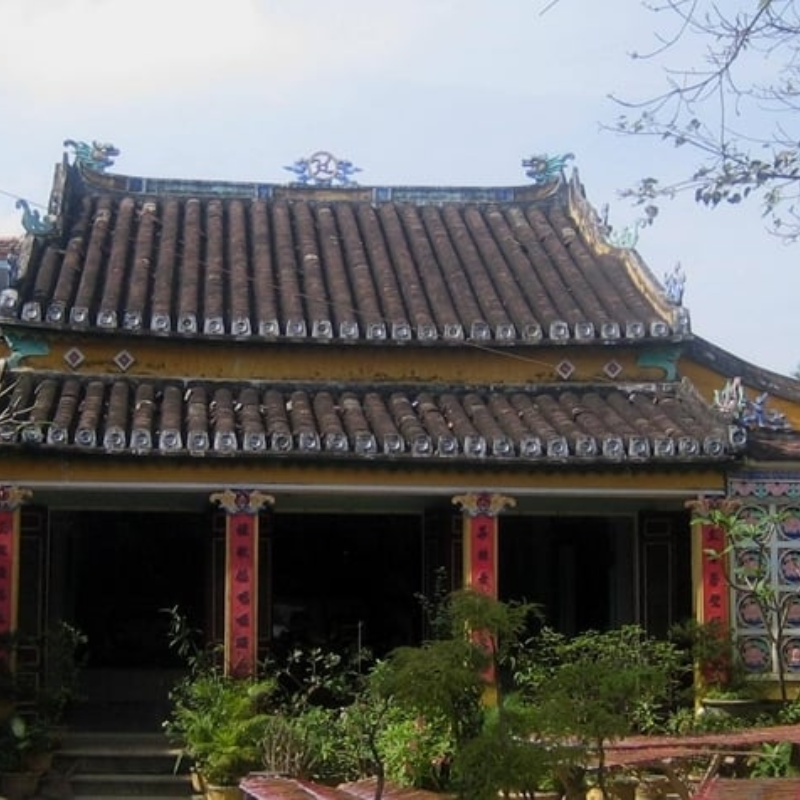

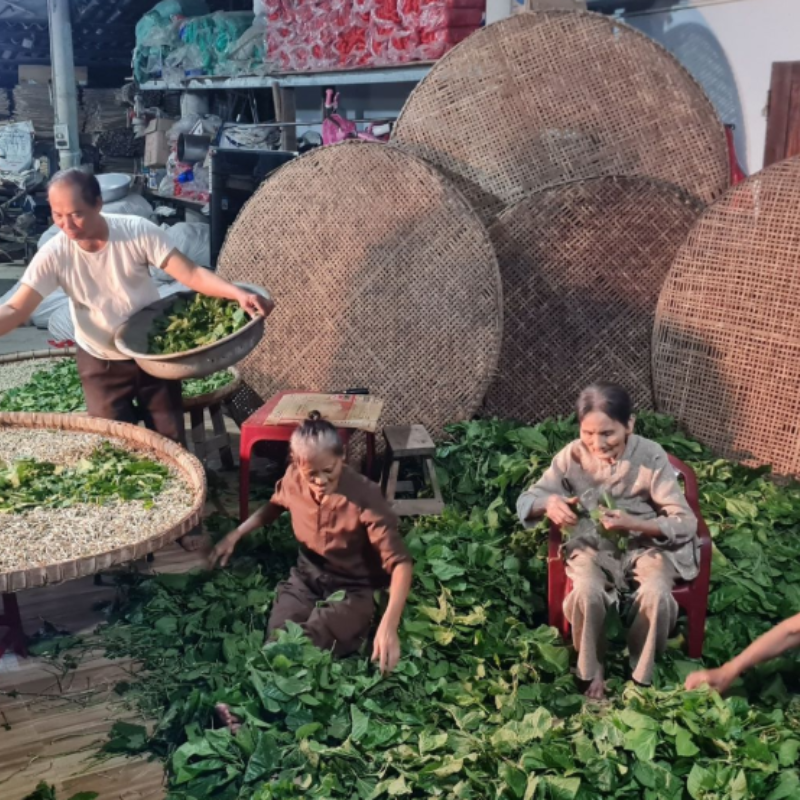
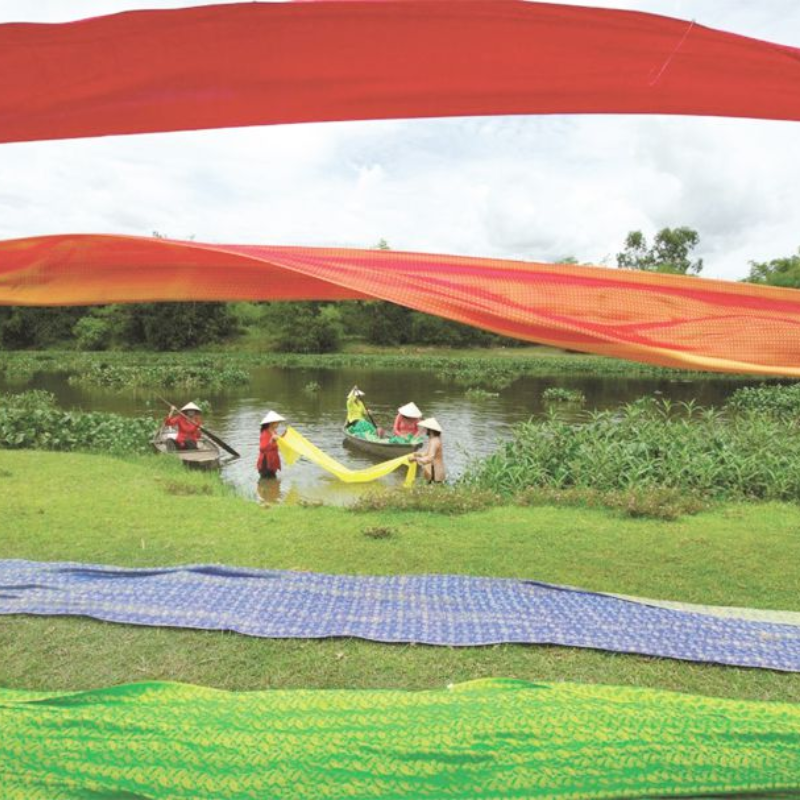

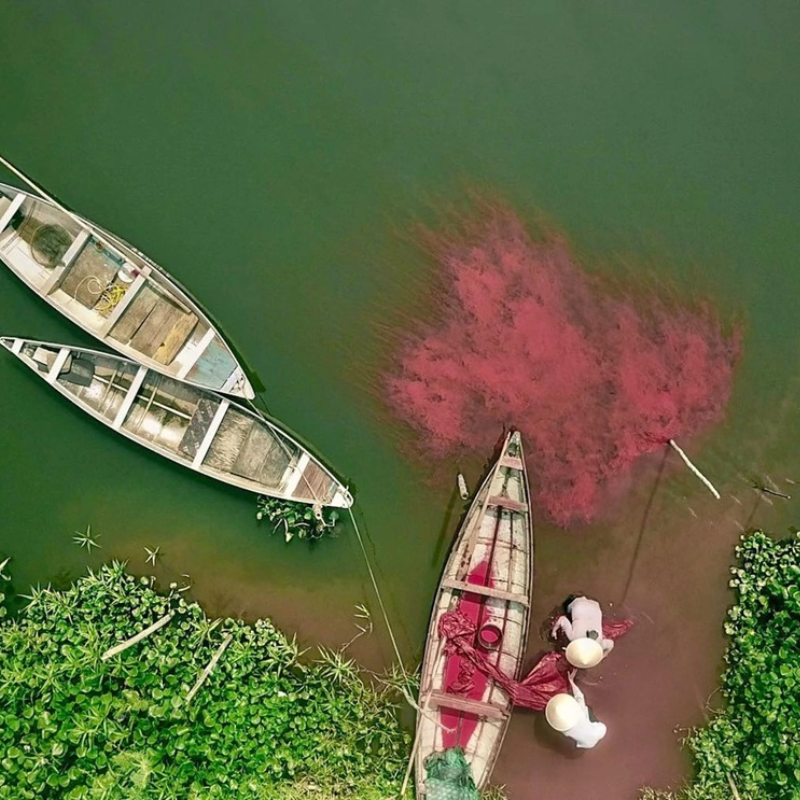

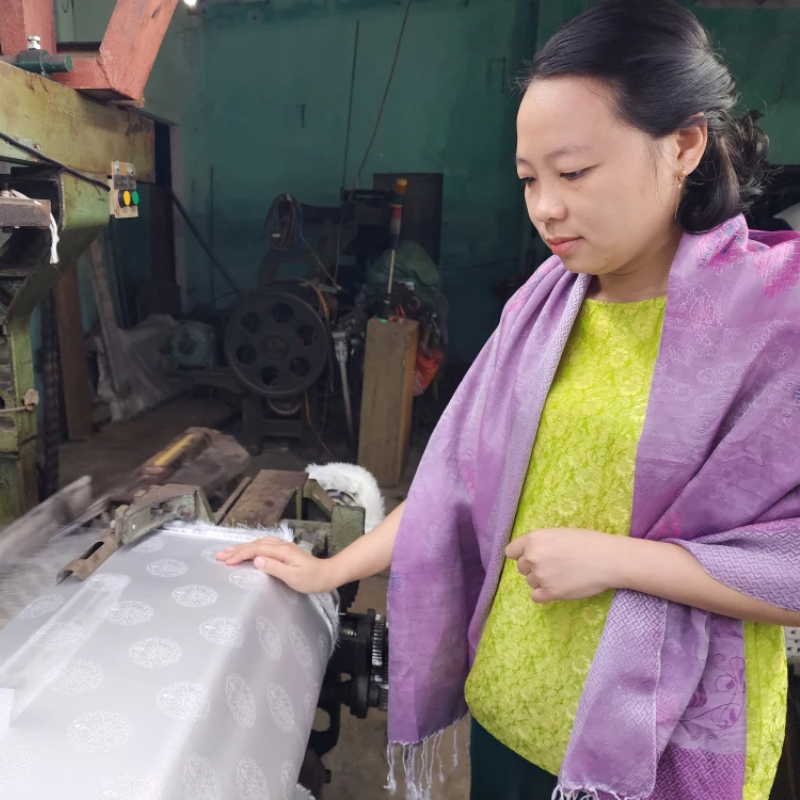
Have you ever wondered what created the softness, shimmer, and captivating charm of the renowned Ma Chau silks? Join us to discover the colorful story and the secrets hidden in every thread at Ma Chau silk village!
Introducing Ma Chau Silk Weaving Village: Where is it Located?

What is Ma Chau silk weaving village? It is not just a place name, but also a symbol of the sophistication, skill, and pride of the people of Quang Nam province. Located in Duy Xuyen district, Quang Nam province, along the gentle Thu Bon, Vu Gia, and Ba Ren rivers, Ma Chau Silk Weaving Village has a history of formation and development spanning over 600 years. Thanks to the fertile alluvial deposits from these three rivers, this area became an ideal land for mulberry cultivation and silkworm rearing, a solid foundation for the birth and prosperity of the traditional silk weaving craft.
Introducing Ma Chau silk weaving village, we want you to imagine a peaceful space, where the slow pace of life blends with the clatter of looms, where diligent artisans pour their hearts into every product. Coming to Ma Chau, you will not only admire beautiful silk fabrics but also have the opportunity to learn about a unique traditional handicraft, contributing to the cultural identity of Vietnam.
History of the Formation of Ma Chau Silk Weaving Village

The history of Ma Chau silk weaving village is a long story, associated with the development of the Duy Xuyen region. According to historical documents and folk tradition, mulberry cultivation, silkworm rearing, and silk weaving in Ma Chau appeared around the 15th century. The golden age of Ma Chau silk was in the 18th-19th centuries, when its products were favored and became one of the precious tributes offered to the imperial court. The soft, exquisite silk fabrics with harmonious color combinations and unique patterns were once the top choice for making clothes for emperors, empresses, princesses, and mandarins in the court.
However, in the late 20th century, the appearance of cheaper synthetic silks caused traditional Ma Chau silk to gradually fade. Many families in the village had to abandon their traditional craft, facing the risk of losing a valuable cultural heritage. But with a deep love for their craft and a determination to preserve the values left by their ancestors, the people of Ma Chau have tirelessly strived to revive the traditional craft village of Quang Ngai, bringing Ma Chau silk back to its glorious period.
Who Usually Visits Ma Chau Silk Weaving Village and For What Purpose?

Today, Ma Chau Silk Weaving Village is not only a place that produces high-quality silk products but also an attractive destination for various types of visitors:
- Domestic tourists: They come here to explore the culture of Ma Chau silk weaving village, learn about traditional Vietnamese silk weaving, buy unique souvenirs made from Ma Chau silk, and experience the peaceful atmosphere of a Vietnamese village.
- International tourists: They are particularly interested in the origin of Ma Chau silk, want to learn about the meticulous manual production process, and appreciate the traditional cultural values embedded in each product. Many also want to participate in Ma Chau silk village tours for practical experiences.
- Students: They often come here on study tours, learning about the history and production process of silk, contributing to their knowledge of the nation's cultural heritage.
- Families with small children: This is an ideal destination for parents to educate their children about traditional crafts, helping them understand the value of manual labor.
- Fashion designers and businesses: They visit Ma Chau Silk Weaving Village to find a supply of high-quality, unique Ma Chau silk fabric for their fashion collections or high-end products.
How to Get to Ma Chau Silk Weaving Village
The way to Ma Chau silk weaving village is quite convenient; visitors can choose various means of transport depending on their starting point and personal preferences:
- From Da Nang: You can travel by private car, motorbike, or bus. If traveling by private vehicle, follow National Highway 1A south for about 30km, then turn into Duy Xuyen intersection and follow Hung Vuong street for about 7 minutes to reach the destination. If traveling by bus, you can take the Da Nang - Nam Phuoc route.
- From Hoi An: Where is Ma Chau silk village? It is only about 15km from Hoi An. You can easily travel by taxi, motorbike taxi, or rent a self-driving motorbike. Follow National Highway 1A north, turn left at Nam Phuoc town, and go a short distance further to arrive.
Costs When Visiting Ma Chau Silk Weaving Village

Generally, visiting Ma Chau Silk Weaving Village is free. You can freely explore the weaving workshops, chat with artisans, and learn about the Ma Chau silk production process.
However, if you wish to purchase silk products, the cost will depend on the type of product and quantity. Ma Chau silk prices can vary depending on the material, pattern, and intricacy of the product. We recommend comparing prices at different stores to make the best choice. Additionally, if you wish to experience guided Ma Chau silk village tours, the cost will include the guide fee and may also include other activities such as participating in the silk production stages.
Tips for Visiting Ma Chau Silk Weaving Village

To ensure a complete and meaningful visit to Ma Chau Silk Weaving Village, the LocalTrips.ORG team would like to share some helpful tips:
- Best time to visit: The ideal time to visit Ma Chau is during spring or autumn, when the weather is cool and pleasant.
- Attire: It is advisable to wear comfortable and respectful clothing for ease of movement and touring.
- Research beforehand: You can research the history of Ma Chau silk weaving village and types of Ma Chau silk beforehand to have a better overview before your visit.
- Interact with locals: Don't hesitate to talk to the artisans to learn more about their work and interesting stories surrounding silk weaving.
- Shopping: If you plan to buy silk products, carefully check the quality and compare prices at various stores. You can find a variety of products such as Ma Chau silk scarves, Ma Chau silk fabric, Ma Chau silk ao dai, and other Ma Chau silk clothing items. Choose genuine Ma Chau silk products to ensure quality.
- Enjoy local delicacies: Don't forget to try the specialties of Ma Chau silk weaving village that are rich in local flavor.
- Bring a camera: The peaceful scenery and beautiful silk products in Ma Chau will surely be an endless source of inspiration for your souvenir photos.
Famous Nearby Attractions to Ma Chau Silk Weaving Village (What to Eat? What to Do?)

In addition to exploring Ma Chau Silk Weaving Village, you can also combine your visit with some other nearby famous attractions for a rich and memorable trip:
- Hoi An Ancient Town: Only about 15km from Ma Chau, Hoi An is a world cultural heritage site with ancient streets, moss-covered houses, and sparkling lanterns. You can stroll, admire the scenery, enjoy delicious cuisine, and buy souvenirs.
- My Son Sanctuary: About 40km from Ma Chau, My Son is a complex of ancient Cham Pa temple towers, bearing strong historical and cultural imprints.
- Cu Lao Cham (Cham Islands): You can join Cu Lao Cham tours to explore the wild beauty of the islands, snorkel to see coral, and enjoy fresh seafood.
- Thanh Ha Pottery Village: Located near Hoi An, Thanh Ha pottery village is where you can learn about traditional pottery making and hand-craft unique pottery products.
Besides discovering the beauty of Ma Chau Silk Weaving Village, you will surely want to enjoy delicious local food. Here are some suggestions for dishes and dining spots nearby:
Right in Ma Chau Silk Weaving Village and Duy Xuyen area:
- Local eateries: In and around Ma Chau Silk Weaving Village, you will easily find rustic eateries serving dishes rich in the flavor of Quang Nam countryside. This is a great opportunity to enjoy traditional dishes prepared by the local people themselves.
- Mi Quang: This is a famous specialty of Quang Nam that you cannot miss. The noodles are made from rice flour, with a chewy texture, served with shrimp, chicken, quail eggs, fresh herbs, and a rich broth. You can find Mi Quang at most eateries in Duy Xuyen.
- Cao Lau: Another characteristic dish of Central Vietnam, especially famous in Hoi An, but you can also find it in Duy Xuyen. Cao Lau noodles have a distinctive yellow color, served with char siu pork, shrimp, fresh vegetables, and a thick sauce.
- Banh Xeo: Crispy pancakes with shrimp, pork, bean sprouts filling, served with fresh vegetables and a sweet and sour dipping sauce. This is a simple but very appealing choice.
- Nem Lui: Fragrant grilled skewers, served with rice paper, fresh vegetables, and a special dipping sauce.
If you travel a bit to Hoi An (about 15km):
Hoi An is a culinary paradise with countless options:
- Com Ga (Chicken Rice): Fragrant, soft rice served with shredded boiled chicken, Vietnamese coriander, and a distinctive chili fish sauce. Famous chicken rice restaurants in Hoi An include Ba Buoi Chicken Rice, Ba Huong Chicken Rice...
- Hoanh Thanh (Wontons): A dish of Chinese origin that has become a specialty of Hoi An. Wontons can be deep-fried or served in soup, with rich shrimp and pork filling.
- Banh Mi: Hoi An Banh Mi is famous nationwide for its crispy crust, pate, Vietnamese ham, char siu, fresh herbs, and special sauce. You can try Banh Mi Phuong or Banh Mi Madam Khanh.
- Tao Pho (Hot Tofu Pudding): A refreshing, mildly sweet dessert, perfect for cooling down after a long day of exploration.
- Nuoc Mot: A fragrant, refreshing herbal drink, sold at many street vendors in the ancient town.
LocalTrips.ORG Specializes in Providing Search Information and Tourist Destinations at Ma Chau Silk Weaving Village

We, the team at LocalTrips.ORG, are proud to be your reliable companion on every journey to discover the beauty of Vietnam. We always strive to provide the most useful and up-to-date information about tourist destinations, including Ma Chau Silk Weaving Village. You can find on our website:
Detailed information about what Ma Chau silk weaving village is, introduction to Ma Chau silk weaving village, history of Ma Chau silk weaving village, Ma Chau silk production process, types of Ma Chau silk, and characteristics of Ma Chau silk.
Address of Ma Chau silk weaving village and detailed instructions on how to get to Ma Chau silk weaving village.
Information about Ma Chau silk weaving village travel tips, Ma Chau silk weaving village specialties, and the story of Ma Chau silk weaving village.
Comparison of Ma Chau silk with other types of silk to help you get a clearer picture of the quality and value of the product.
News about Ma Chau silk weaving village and related cultural events.
Useful navigational information such as the Ma Chau silk weaving village website (if available), information about Ma Chau silk shops, Ma Chau silk weaving village map, information about Ma Chau silk weaving village tours, Ma Chau silk weaving village phone number, and how to contact Ma Chau silk weaving village.
Transactional information to help you easily shop and experience services such as where to buy Ma Chau silk, information about Ma Chau silk prices, high-grade Ma Chau silk products, genuine Ma Chau silk, how to order Ma Chau silk online, information about how much Ma Chau silk scarves cost, beautiful Ma Chau silk ao dai designs, quality Ma Chau silk fabric, information about Ma Chau silk weaving village tours, and hotels near Ma Chau silk weaving village.
We believe that with this detailed and useful information, you will have a truly complete and memorable trip to Ma Chau Silk Weaving Village.
FAQ About Ma Chau Silk Weaving Village?

To help you better understand Ma Chau Silk Weaving Village, we have compiled some frequently asked questions:
Question: What is Ma Chau Silk Village famous for?
Answer: Ma Chau Silk Village is renowned for its high-quality silk, the meticulousness of each weave, the diversity of patterns and colors, as well as its rich history and traditional culture.
Question: What are the characteristics of Ma Chau silk compared to other types of silk?
Answer: Ma Chau silk is naturally soft, lustrous, breathable, highly absorbent, and exceptionally colorfast. Compared to industrial silks, Ma Chau silk offers a more luxurious and comfortable feel for the wearer.
Question: Where can I buy Ma Chau silk?
Answer: You can purchase Ma Chau silk directly at stores within the village, or at souvenir and specialty shops in Hoi An and Da Nang. Additionally, some stores also offer online ordering services for Ma Chau silk.
Question: How much does Ma Chau silk cost?
Answer: The price of Ma Chau silk depends on the material, size, pattern, and intricacy of the product. Ma Chau silk scarves can range from several hundred thousand to several million VND, while the price of Ma Chau silk fabric can be calculated per meter and varies depending on the type.
Question: Can I participate in the Ma Chau silk production process?
Answer: Some weaving workshops in the village may allow visitors to observe and experience simple steps in the Ma Chau silk production process, such as reeling silk or weaving. You can inquire directly at the workshops for more details.
We hope this information provides you with a clearer understanding of Ma Chau Silk Village. Come and experience the beauty, sophistication, and traditional cultural values that this place offers. We are confident that a trip to Ma Chau will be an unforgettable experience on your journey to discover Vietnam.


Related collection
Explore collections containing this product


