


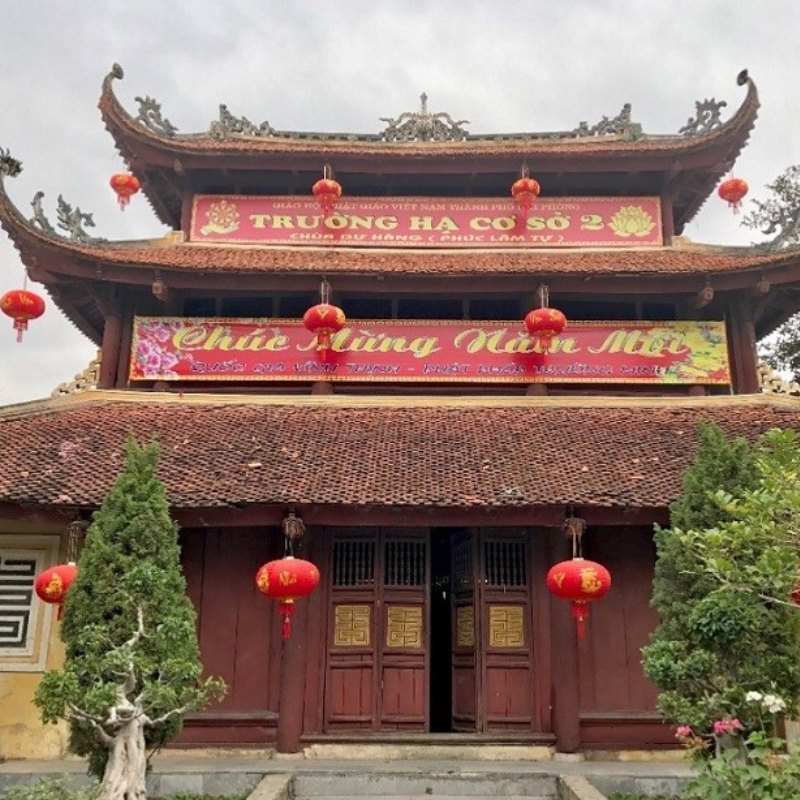
Finding Serenity: Where is Du Hang Pagoda and What Makes it Sacred?
Welcome, ladies and gentlemen, to Du Hang Pagoda, one of the oldest and most historic pagodas in Hai Phong, Vietnam. We, the Local Trips.ORG team, are honored to join you in exploring the ancient and majestic beauty, as well as the profound cultural and spiritual values that Du Hang Pagoda preserves. Have you ever wondered where Du Hang Pagoda is located and why it has become a famous spiritual destination, attracting numerous tourists and Buddhists? Let's uncover this secret together.
Introducing Du Hang Pagoda, Where is it Located?

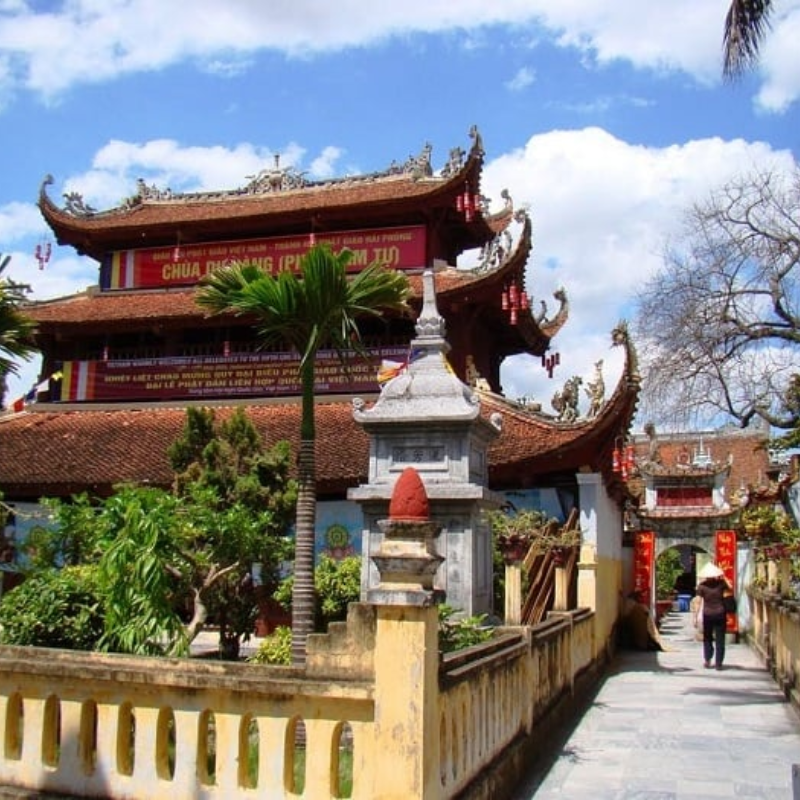
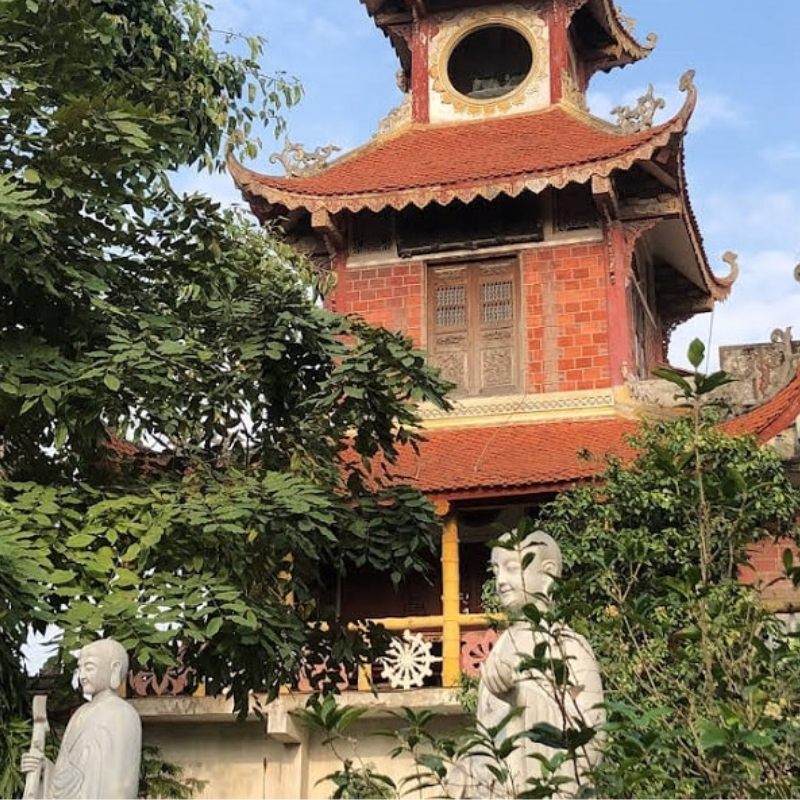
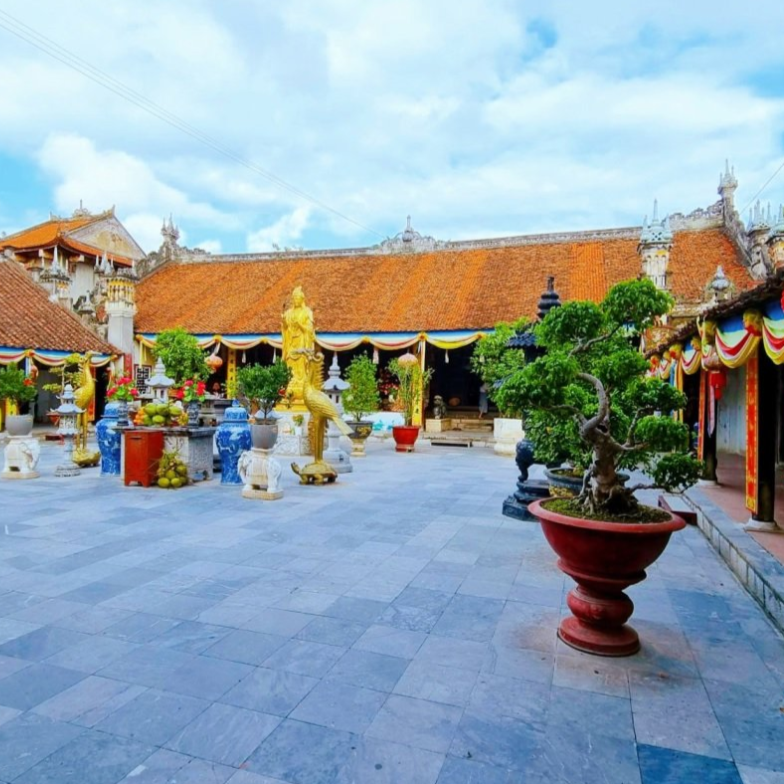
Du Hang Pagoda, also affectionately known by locals as Hang Pagoda, is situated at 121 Du Hang Street, Ho Nam Ward, Le Chan District, Hai Phong City. With its location on one of the busiest streets in the port city, getting to Du Hang Pagoda's address is very easy by various means of transport. Du Hang Pagoda is not only a sacred pagoda in Hai Phong but also a National Historical Relic, embodying unique cultural and architectural values.
History of Du Hang Pagoda: A Nearly Millennium-Long Mark of Time

To better understand the sacredness and cultural value of Du Hang Pagoda, let us trace back time and explore the history of Du Hang Pagoda. This ancient pagoda, also known as Phuc Lam Tu, was built during the Early Le Dynasty (980 - 1009), marking a history of nearly a millennium. According to historical documents, the pagoda was built by Zen Master Phap Thuan, a high-ranking monk who made significant contributions to Vietnamese Buddhism at that time.
Throughout its long history, Du Hang Pagoda has undergone numerous renovations and expansions, especially in 1907, when many new areas were built, giving it the grand appearance it has today while still retaining many ancient architectural features. The history of Du Hang Pagoda's formation is closely linked to the development of Buddhism in Hai Phong and is an important place of religious activity for the local people. During the years of resistance, the pagoda also sheltered and protected soldiers and revolutionary cadres.
Who Usually Visits Du Hang Pagoda and Why? A Journey to Find Peace

Du Hang Pagoda welcomes many tourists and Buddhists with different purposes. We notice that most people who come to Du Hang Pagoda wish to find peace in their souls, pray for their families and loved ones, or simply admire the unique architecture of Du Hang Pagoda.
- Buddhists and religious followers: Often visit the pagoda to worship Buddha, pray for peace, pray for the deceased, and participate in activities at Du Hang Pagoda such as dharma talks and short meditation retreats.
- Domestic and international tourists: Want to explore one of the famous pagodas in Hai Phong with a rich history and unique architecture. They often come to visit, take photos, and learn about Vietnamese Buddhist culture.
- Students: Visit the pagoda to learn about the history, culture, and traditional architecture of the nation. Du Hang Pagoda is an ideal location for extracurricular activities and education about Hai Phong culture.
- Those seeking serenity: Come to the pagoda to escape the hustle and bustle of life, find balance and peace in their souls. I remember the first time I set foot in Du Hang Pagoda, the quiet atmosphere and the ringing of the temple bells brought me an unusual sense of peace.
How to Get to Du Hang Pagoda: Detailed Guide from Local Trips
Du Hang Pagoda is located at 121 Du Hang Street, Ho Nam Ward, Le Chan District, Hai Phong City. With its location on one of the busiest streets in the port city, getting to Du Hang Pagoda's address is very easy by various means of transport.
- Motorbike and private car: You can easily find directions to the pagoda using the map to Du Hang Pagoda on online mapping applications. However, pay attention to parking, especially on holidays or weekends.
- Bus: There are many bus routes that pass through the Du Hang area; you can choose the appropriate route to reach the pagoda.
- Taxi and ride-hailing services: These are quick and convenient modes of transport, suitable for tourists who are not familiar with the area or want to save time.
For tourists coming from Hanoi or other provinces, you can travel to Hai Phong by bus, train, or plane, then continue to Du Hang Pagoda by the aforementioned means of transport. The route to Du Hang Pagoda by motorbike from neighboring provinces is also quite convenient.
Costs When Visiting Du Hang Pagoda: Useful Information

Unlike some other tourist attractions, visiting Du Hang Pagoda usually does not require an entrance fee. However, if you wish to make a contribution to the pagoda, you can voluntarily donate at the donation boxes inside the pagoda. This money will be used by the pagoda to maintain its activities and renovate its facilities.
If you are interested in participating in information about meditation retreats at Du Hang Pagoda or the schedule of festivals at Du Hang Pagoda, you can contact the pagoda management directly for more details about costs (if any).
Tips for Visiting Du Hang Pagoda: Advice from the Local Trips Team

To make your visit to Du Hang Pagoda complete and meaningful, the Local Trips team would like to share some information about Du Hang Pagoda and useful tips.
- Time to visit: The ideal time to visit the pagoda is in the early morning or late afternoon, when the air is fresh and peaceful. Avoid going on major holidays or weekends if you don't like crowds. When should you visit Du Hang Pagoda? In our experience, spring and autumn are the best times to visit the pagoda.
- Attire: When visiting the pagoda, please choose polite, modest clothing, showing respect for the sacred space.
- Behavior: Maintain a solemn attitude, speak softly, and avoid making noise or causing disorder within the pagoda grounds. Do not touch artifacts and offerings without permission.
- Research the pagoda beforehand: To have a more meaningful visit, you can learn about the history of Du Hang Pagoda's formation, the unique architecture of Du Hang Pagoda, and the meaning of the statues in Du Hang Pagoda.
- Bring water: Especially if you go in the summer, bring enough water to avoid dehydration.
- Pay attention to personal belongings: Pagodas are often crowded, so be careful with your personal belongings to avoid theft.
- Learn about activities: If you are interested in activities at Du Hang Pagoda such as ceremonies or retreats, check the schedule in advance to be able to participate.
- Respect the pagoda's regulations: All pagodas have their own regulations; please respect and follow them.
- Things to note when visiting Du Hang Pagoda: We recommend walking slowly to fully appreciate the beauty and serenity of the pagoda.
Famous Places Near Du Hang Pagoda (What to Eat? What to Do?)

Du Hang Pagoda is located in the central area of Hai Phong city, so there are many interesting places nearby for you to explore and experience. Here are a few suggestions from Local Trips:
- Tam Bac Lake: About 2km from Du Hang Pagoda, Tam Bac Lake is an ideal place for you to stroll, enjoy the scenery, and breathe fresh air. In the evening, this area becomes lively with sparkling lights and many attractive snack stalls.
- Sat Market: Located near Tam Bac Lake, Sat Market is one of Hai Phong's oldest and most famous markets. Here you can find a wide variety of goods, from household items and clothes to local specialties.
- Hai Phong Opera House: The architectural symbol of the port city, the Hai Phong Opera House, is also not too far from Du Hang Pagoda. You can visit to admire its unique French colonial architecture and learn about the history of this building.
- Hai Phong Museum: If you love history and culture, the Hai Phong Museum is a must-visit. It displays many precious artifacts about the history and development of the city.
- Specialty restaurants: The area around Du Hang Pagoda has many delicious restaurants with Hai Phong specialties such as crab noodle soup (bánh đa cua), crab spring rolls (nem cua bể), various kinds of snails, etc. We believe you will find dishes that satisfy your taste buds.
The area around Du Hang Pagoda is also a culinary "paradise" with many unique Hai Phong dishes. Here are a few suggestions you shouldn't miss:
- Banh Da Cua (Crab Noodle Soup): Hai Phong's famous dish that cannot be ignored. Chewy rice noodles, rich broth, and fatty crab roe. You can find many delicious banh da cua restaurants on Du Hang Street or in nearby streets.
- Nem Cua Be (Square Crab Spring Rolls): Square spring rolls with fresh, delicious crab filling, crispy when fried. Dipped in sweet and sour fish sauce, it's simply irresistible.
- Snails: Hai Phong is famous for its variety of snails and tempting cooking methods such as stir-fried snails with tamarind, boiled snails, grilled snails, etc. The Le Loi Street area or stalls along Tam Bac Lake can be good choices.
- Bun Cha Que Tre (Bamboo Skewer Pork Noodle): If you like the taste of bun cha, there are a few good bun cha que tre restaurants in the Tran Phu or Nguyen Van Linh Street areas, not too far from Du Hang Pagoda.
- Banh Mi Cay (Spicy Baguette): A must-try snack in Hai Phong. Small, crispy baguette with a characteristic spicy pate filling. You can buy them from street vendors or small shops nearby.
- Lau Cua Dong (Field Crab Hotpot): A great choice for a group of friends or family. The broth is sweet and clear, with rich crab roe, served with vermicelli and fresh vegetables. There are some good lau cua dong restaurants in the Van Cao or Lach Tray Street areas.
Local Trips .ORG Specializes in Providing Search Information and Tourist Destinations at Du Hang Pagoda

Local Trips.ORG is proud to be your trusted companion, providing complete information about Du Hang Pagoda. You can find on our website the map to Du Hang Pagoda, information about activities and festivals (if any). We always update objective reviews of Du Hang Pagoda from visitors who have been there, giving you the most authentic view of this place.
If you are interested in Hai Phong spiritual tours featuring Du Hang Pagoda, please contact the Local Trips.ORG consulting team for assistance and the most suitable itinerary. We are committed to providing you with meaningful and memorable spiritual travel experiences.
FAQ About Du Hang Pagoda?: Your Questions Answered

To help you get an overview and prepare best for your visit to Du Hang Pagoda, Local Trips.ORG has compiled some frequently asked questions about this pagoda.
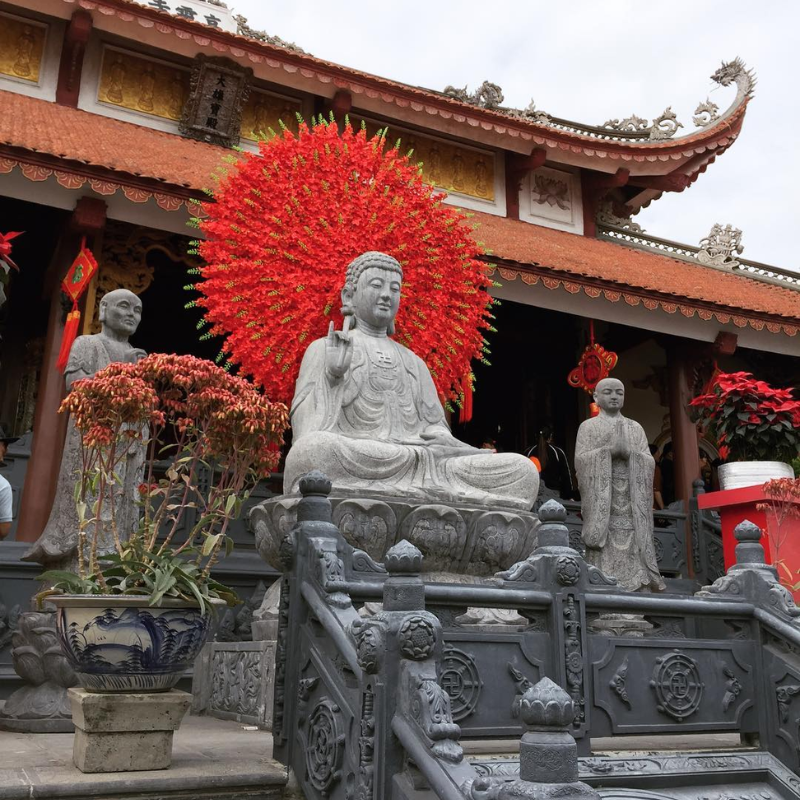
Who is worshipped at Du Hang Pagoda? Du Hang Pagoda worships Shakyamuni Buddha, Bodhisattvas, and the Patriarchs who contributed to building and developing the pagoda.
What is the meaning of the name Du Hang Pagoda? We are continuing to research and verify accurate information about the meaning of the name Du Hang Pagoda. However, according to some sources, this name may be related to the locality where the pagoda is located.
Where can I find the official website of Du Hang Pagoda? Currently, we have not found an official website for Du Hang Pagoda. However, you can search for information on reputable travel websites and Buddhist forums.
What is the contact phone number for Du Hang Pagoda? We are trying to update the phone number for Du Hang Pagoda to provide you with the most accurate information.
Does Du Hang Pagoda offer summer retreats? For detailed information about meditation retreats at Du Hang Pagoda, please contact the pagoda management directly.
What are the major festivals held at Du Hang Pagoda? The schedule of festivals at Du Hang Pagoda is usually organized on important Buddhist holidays. You can find detailed information on Buddhist websites or by contacting the pagoda.
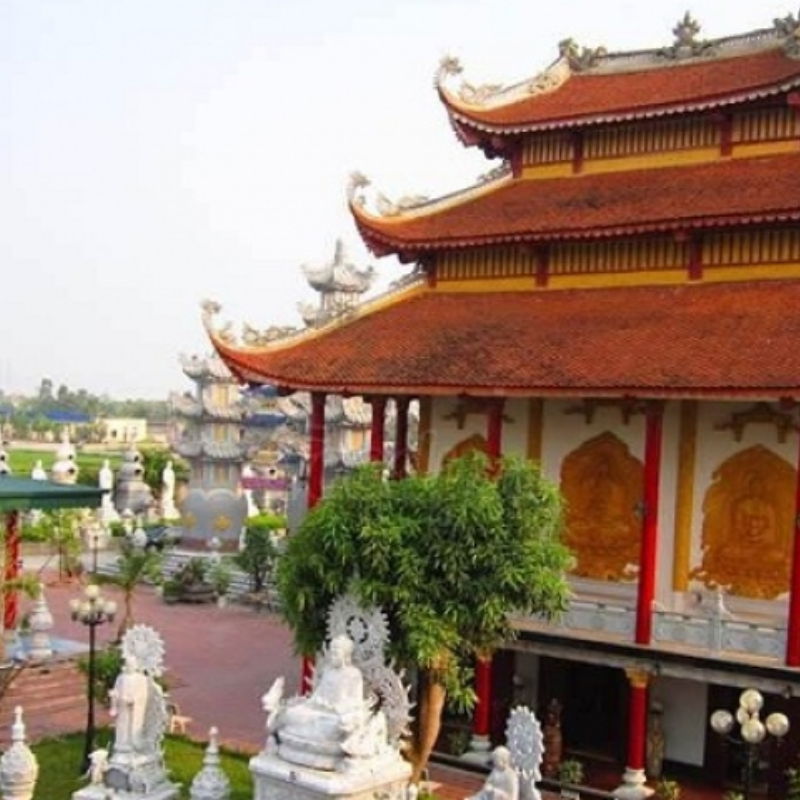
How does the architecture of Du Hang Pagoda compare to other ancient pagodas in Hai Phong? A comparison of the architecture of ancient pagodas in Hai Phong shows that Du Hang Pagoda embodies traditional Vietnamese architectural style with intricate carvings and a harmonious layout. Each ancient pagoda in Hai Phong has its unique features, offering different experiences for visitors.
We hope the above information will help you have a meaningful and peaceful visit to Du Hang Pagoda. Let Local Trips.ORG accompany you on your journey to discover the cultural and spiritual beauty of Hai Phong!


Related collection
Explore collections containing this product


