







Hai Van Pass: The Journey to Conquer "The Most Wondrous Wonder of the World"
Crossing winding roads like a soft silk ribbon draped across the mountainside, you'll understand why Hai Van Pass has become the fervent desire of so many travel enthusiasts. More than just a transport route, it is a masterpiece of nature and human hands, where clouds, mountains, and sea converge in a single glance. Let Localtrips.ORG begin a journey to explore this iconic route with the most in-depth and practical perspectives.
Geographical Location of Hai Van Pass – The Natural Boundary Between Two Heritage Regions
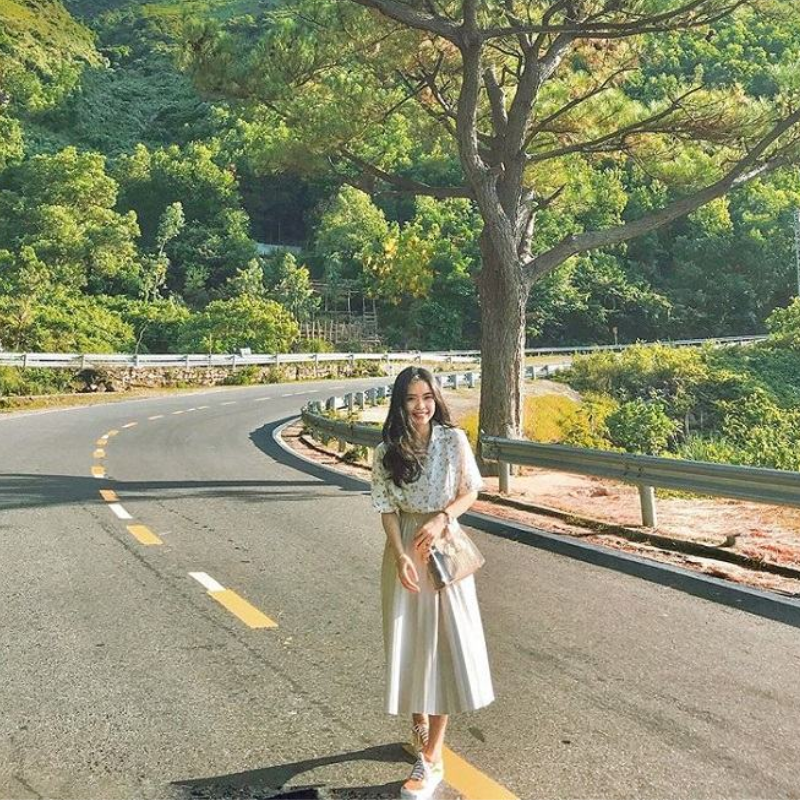
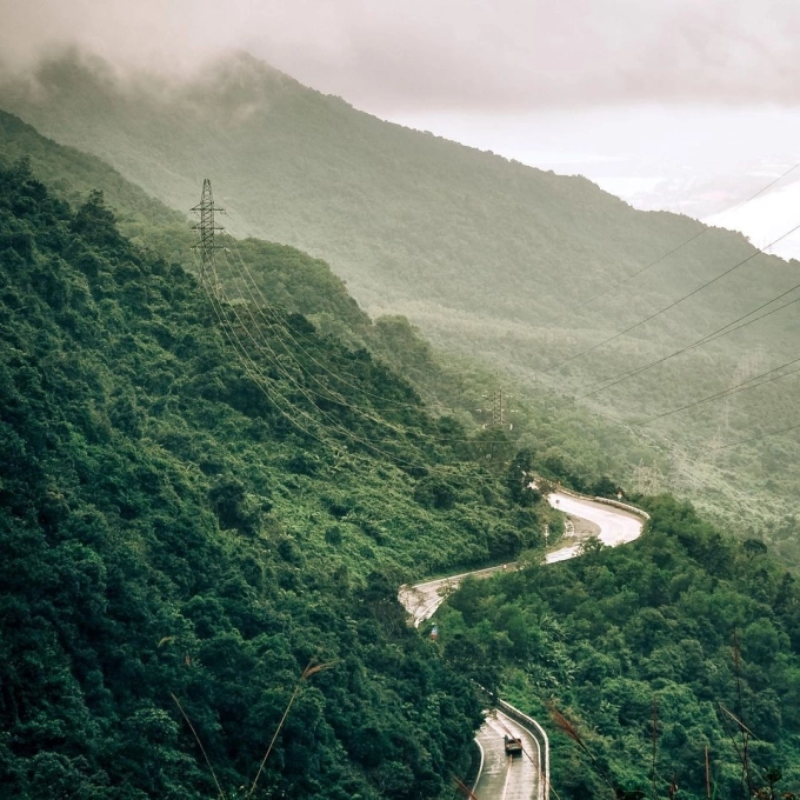
Hai Van Pass is located on the Bach Ma mountain range, a branch of the Truong Son mountain range that juts out close to the sea. With a length of about 21 km and a peak elevation of up to 500 m above sea level, it is one of the highest and most treacherous coastal mountain passes in Vietnam.
Administratively, this pass serves as the boundary between Thua Thien Hue and Da Nang. Specifically:
- North (Hue): Belongs to Lang Co town, Phu Loc district, Thua Thien Hue province.
- South (Da Nang): Belongs to Hoa Hiep Bac ward, Lien Chieu district, Da Nang city.
The terrain features of the pass are extremely impressive with one side being the sheer cliffs of Hai Van mountain, and the other a deep abyss directly facing the East Sea. This location not only holds tourism value but also acts as an important climatic boundary, preventing the Northeast monsoon from sweeping into the South, creating a distinct difference in temperature and ecosystem between the two sides of the pass.
Famous Attractions Near Hai Van Pass
Hai Van Pass, known as "The Most Wondrous Wonder of the World," is located on the Bach Ma mountain range and is the natural boundary between Thua Thien Hue province and Da Nang city. With this prime location, the journey to explore Hai Van Pass connects many magnificent destinations in both localities.
Here is a list of famous attractions near Hai Van Pass:
1. Relics Right on the Pass Summit
- Hai Van Gate: A historical relic complex located right on the pass summit (500m above sea level). This was an important gateway during the Nguyen Dynasty, recently restored to its original state, where you can stand at the dividing line between Hue and Da Nang.
- Bunker System (Donjon): Military remnants left by the French and Americans around the pass summit, creating a nostalgic beauty and a popular check-in spot for tourists.
2. Northern Area of the Pass (Hue Territory)
- Lang Co Bay: Located right at the foot of the pass on the Thua Thien Hue side. This is one of the most beautiful bays in the world with fine white sand and clear blue water.
- Lap An Lagoon: A poetic brackish lagoon located next to Lang Co Bay. It is famous for its walking path in the middle of the lagoon when the tide recedes and its oyster delicacy.
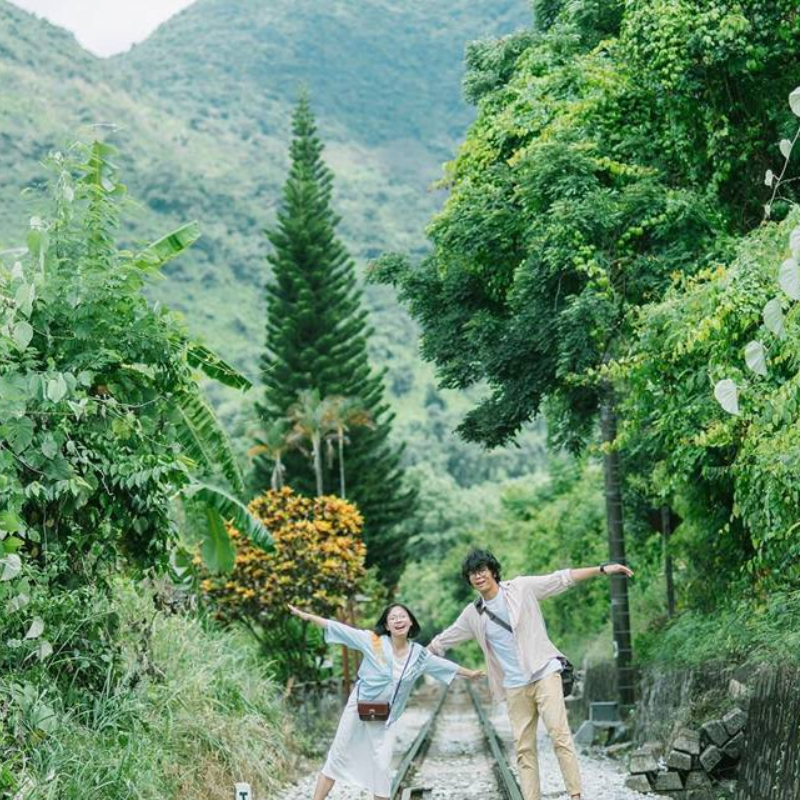
- Hai Van Bac Station: A small station nestled in the middle of the pass. This is the starting point for walking to Don Ca Arch Bridge – a stone railway bridge with cinematic beauty.
- Bai Chuoi (Banana Beach): A wild beach hidden at the foot of Hai Van Pass, suitable for those who enjoy camping and exploring little-known nature.
3. Southern Area of the Pass (Da Nang Territory)
- Lang Van Village: A small, secluded village located at the foot of the pass, right by the sea. To get here, tourists often have to walk along the railway tracks or take a boat from Da Nang Bay.
- Obama Rock Beach (Bai Da): Located on the Son Tra peninsula but clearly visible from the southern pass roads.
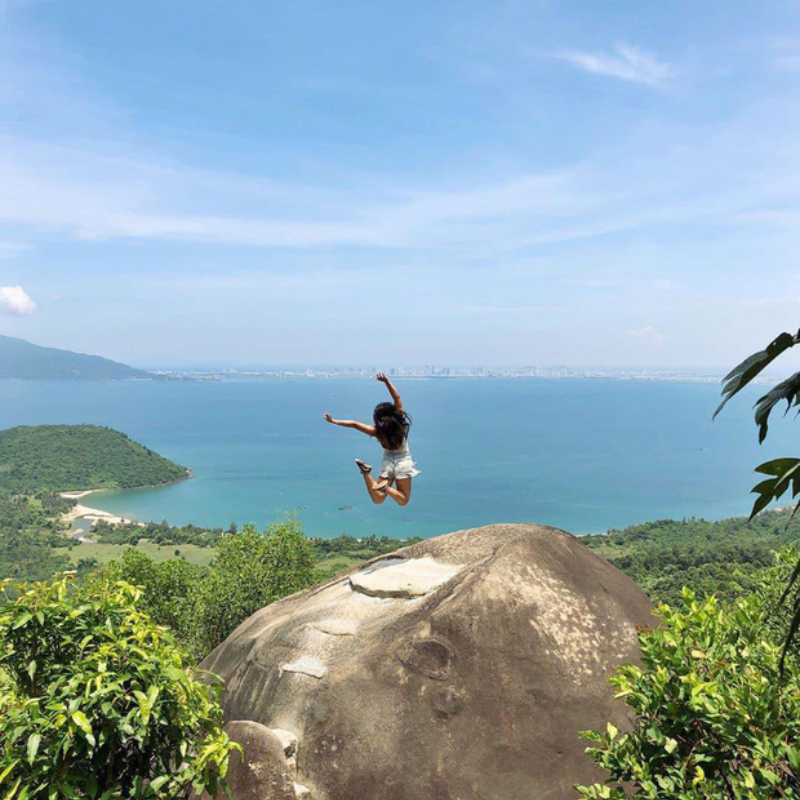
- Hon Cu Rua (Turtle Island Rock): A rocky outcrop jutting out close to the cliff edge on the Da Nang side of the pass, shaped like a turtle looking out at the sea, a very popular photo stop.
4. Administrative Management Units
- North: Lang Co Town, Phu Loc District, Thua Thien Hue Province.
- South: Hoa Hiep Bac Ward, Lien Chieu District, Da Nang City.
Suggested "Conquering the Heritage Route" Itinerary:
- Start: Depart from Da Nang, drive along Kim Lien coastal road to ascend the pass.
- Stopover: Check-in at Hon Cu Rua and visit the Hai Van Gate relic on the pass summit.
- Explore: Descend the pass northward, visit Don Ca Arch Bridge (Hai Van Bac station).
- Rest: Enjoy seafood at Lap An Lagoon and swim at Lang Co Bay.
This journey not only brings an exhilarating feeling when driving on winding roads but also helps you admire the wonderful interweaving of mountains and sea in the Central region.
History of Hai Van Pass – Witness to Dynasties
The historical flow of Hai Van Pass is associated with the changes of Vietnam's feudal dynasties. From the Tran Dynasty, it was an important border. However, it was not until the Nguyen Dynasty that the pass's role was truly consolidated.
Emperor Gia Long was instrumental in opening the road through the pass. Later, in 1826, Emperor Minh Mang ordered the construction of the solid brick and stone Hai Van Gate to control this sole route. Emperor Le Thanh Tong, during a visit to the South, moved by the ethereal beauty of clouds and sea waves, bestowed upon this place the title "The Most Wondrous Wonder of the World."
Economy of Hai Van Pass – From a Traffic Lifeline to an Experiential Route
Previously, Hai Van Pass was a nightmare for drivers due to its danger. However, the construction of the Hai Van Road Tunnel (including Tunnel 1 & Tunnel 2) created a major economic turning point.
Operational information for 2026 shows that the tunnel system has reduced over 90% of heavy vehicles and passenger cars on the pass route. This inadvertently transformed Hai Van Pass into a specialized tourist and experiential route. Eateries, resorts, and tour services here developed strongly, contributing significantly to the budgets of the local areas at both ends of the pass.
Weather at Hai Van Pass – The Art of Contrasts
Due to its characteristic as a natural boundary and a wind barrier, the weather on the pass changes extremely quickly. A practical lesson from us is that you might start at the foot of the pass under intense sun, but when you reach the summit, fog can completely obscure your view.
In winter, the northern slope (Hue) often experiences drizzle and cold, while the southern slope (Da Nang) can be drier and warmer. Cloud hunting on the pass summit is a "priceless" experience, often taking place early in the morning on less windy days.
Transportation to Hai Van Pass – Diverse Options for Conquest
To fully appreciate the beauty of the pass, you can choose one of the following methods:
- Motorbike adventure route: This is the most popular way to actively stop at check-in points. When riding a motorbike on the pass, make sure to check the brakes thoroughly and use a low gear when descending.
- Train: The North-South Railway section through Hai Van Pass is considered the most beautiful railway route in Vietnam. In 2026, the "Central Heritage Connection Journey" heritage train (Hue - Da Nang) with luxurious interiors and panoramic windows will be a premium option for sightseeing.
- Car: Driving on the old National Route 1A over the pass instead of through the tunnel will help you be both safe and not miss the beautiful scenery.
Cuisine of Hai Van Pass – Flavors of Mountains and Sea
The journey to conquer the pass would not be complete without local delicacies:
- Nam O fish salad: A famous specialty at the foot of the pass on the Da Nang side, the sweetness of fresh anchovies blended with rich broth.
- Banh Uot Thit Heo (steamed rice rolls with pork): A rustic but addictive dish in Phu Loc.
- Lang Co oyster sauce: A characteristic sauce of coastal people, with an unforgettable savory taste.
- Lagoon seafood: Enjoy grilled shrimp, fresh oysters at the "nha cho" (stilt houses) on Lap An lagoon right at the northern foot of the pass.
- Iced tea at the pass summit: A cool cup of tea from the hawker stalls of the "me" (elderly women) on the pass summit will help you dispel fatigue.
Accommodation Services at Hai Van Pass
If you want to watch the sunrise on the pass, you can choose high-end resorts in Lang Co or nature-oriented homestays near Hai Van Nam Station. Staying near the pass gives you more time to explore destinations like Lap An Lagoon or embark on an exciting railway trekking trip.
Localtrips.ORG specializes in providing travel information for Hai Van Pass
From Localtrips.ORG's professional perspective, we observe that Hai Van Pass is gradually transforming from a dangerous route into a sustainable cultural-tourism space. We constantly update the latest information on traffic conditions, weather, and new stopovers to ensure that every trip is a safe and emotionally rich journey.
[Internal link suggestion to article: 'Top 10 most beautiful mountain passes in Vietnam']
[External link suggestion to Vietnam National Administration of Tourism website]
Q&A Section (FAQ) – Answering Questions About Hai Van Pass
1. Is it safe to motorbike Hai Van Pass with a scooter?
Scooters can certainly go up the pass but require high concentration when descending. Avoid continuous braking to prevent brake pad overheating. It's best to use a geared motorcycle or manual clutch motorcycle to control speed with the engine.
2. What is the best time of day to visit Hai Van Pass?
Early morning from 5:00 AM - 7:00 AM to watch the sunrise and hunt for clouds, or in the afternoon from 4:00 PM - 5:30 PM to catch the sunset over the bay.
3. Are there rescue services on the pass?
Currently, there are several rest stops on the pass that offer basic vehicle repairs. However, you should save the hotline numbers of local traffic rescue teams in Da Nang and Hue before departing.
4. Has Hai Van Gate opened to visitors yet?
As of 2026, the Hai Van Gate relic has completed major renovations and is open to visitors, with its space restored to a majestic original state.
5. How long does it take to travel from Hue to Da Nang via the pass?
If you include time for photo stops and breaks, you should allocate approximately 2.5 - 3 hours for this route.
Conclusion
Hai Van Pass is not just a road; it is a place to challenge oneself and marvel at the wonders of nature. With the support of the modern tunnel system, the pass road has now become a true playground for those who love nature and beauty.
Final advice: Drive slowly to feel, listen to the sound of ocean waves crashing against the cliffs, and the wind whistling through the pine forests. That is the essence of the trip.
- Have you ever conquered the U-shaped curve on Hai Van Pass? Share your thoughts in the comments below!
- For a complete trip, please Contact us for in-depth tour consulting to explore Hue - Da Nang.
- Don't forget to Read more articles about Central Vietnam tourism on Localtrips.ORG to pocket more useful tips!


Related collection
Explore collections containing this product


