


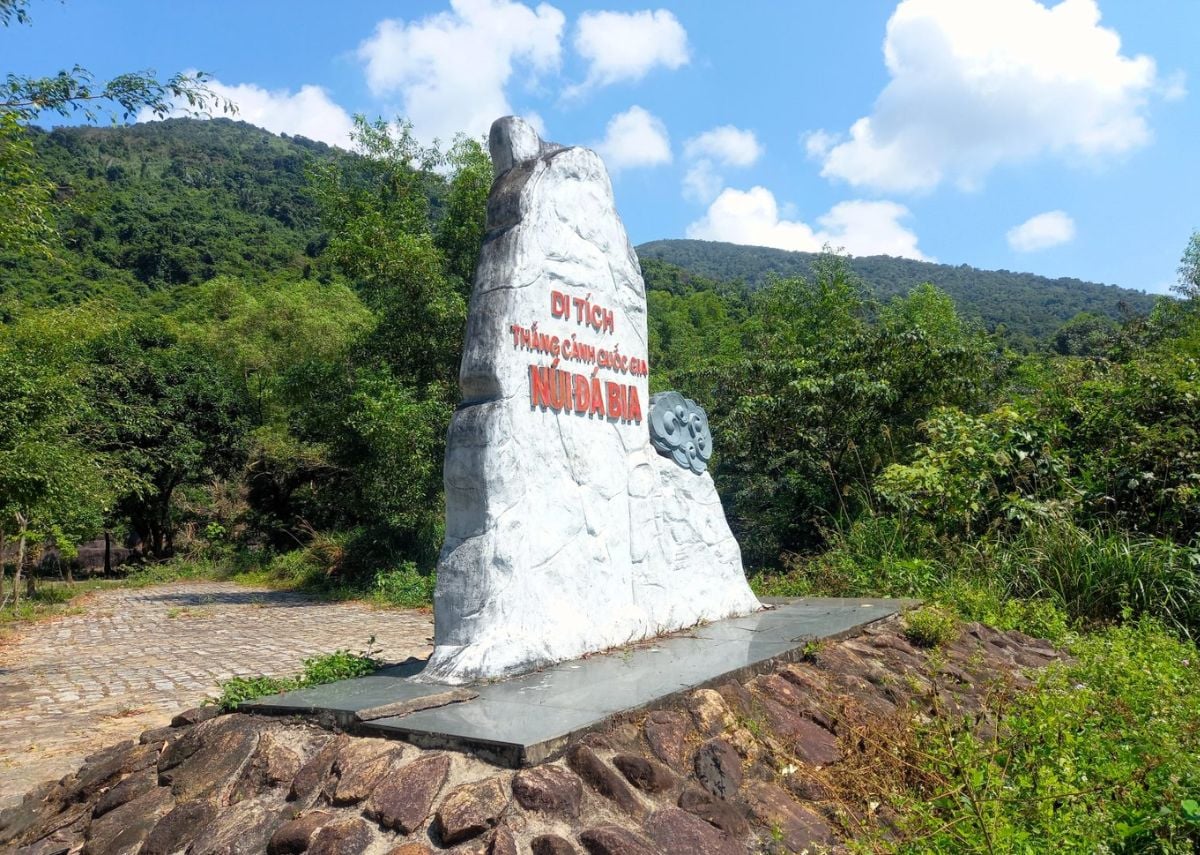
Da Bia Mountain: The Majestic "Thach Bi Son" in the New Dak Lak
Crossing the winding roads of Deo Ca Pass, the eyes of any traveler will be drawn to a colossal rock mass soaring into the clear blue sky. That is Da Bia Mountain – a heritage entity that embodies both the soul of the sea and the spirit of the mountains. From July 1, 2025, when the new era from Resolution 202/2025/QH15 officially comes into effect, this legendary mountain of the former Phu Yen Province will become the "coastal rooftop" of the new Dak Lak Province. This transformation not only changes the administrative name but also opens a new chapter for connecting Vietnam's historical values from the highlands to the East Sea.
Thach Bi Son: A Unique Historical and Geological Formation
From Local Trips' expert perspective, Da Bia Mountain is not merely a mountain, but a "historical witness" carved from Granite over millions of years.
Border Marker of King Le Thanh Tong
The most important feature that made this mountain famous is the colossal rock mass on its peak. According to historical records, in 1471, during his southern expansion campaign, King Le Thanh Tong had characters carved into this rock to mark the sovereignty and delineate the border between Dai Viet and Champa. Although time and weathering have faded the ancient inscriptions, the spirit of the "Heavenly Stele" still endures as a symbol of national pride.
A Masterpiece of Mountain Formation
Geologically, Da Bia Mountain is a rare Granite monolith. Formed from the eruption and intrusion of magma, then weathered by wind and sea rain over millions of years, this rock mass now has a magnificent shape, changing with each viewing angle: sometimes resembling a majestic general, sometimes a lion guarding the bay.
List of Administrative Units and Nearby Connections
The journey to conquer Da Bia Mountain will be complete when you connect with the closely linked entities in the heritage system of the former Phu Yen province:
- Vung Ro Bay: Located right at the foot of the mountain, preserving the legends of the No-Number ships and pristine blue beaches.
- Mui Dien (Dai Lanh Cape): The first place to catch the sunrise on the Vietnamese mainland, only about 10km from the foot of Da Bia Mountain.
- Deo Ca Tunnel: A modern transportation infrastructure connecting trade between the new Dak Lak and Khanh Hoa, making travel safer and more convenient.
- Dong Hoa Town: The administrative and service center in the southern part of the new Dak Lak province's coastal strip, providing accommodation and tourism logistics services.
Taste Map: The Intersection of Seafood and Forest Delicacies
Conquering Da Bia Peak consumes a lot of energy, and this is when you need to enjoy the culinary quintessence prepared by the local people:
- Sun-dried beef with yellow ant salt: A specialty of Son Hoa region, combining the sweetness of grass-fed beef with the sour and pungent taste of forest ant salt.
- Vung Ro squid hotpot: Fresh squid just brought up from the bay, dipped in a rich and flavorful coastal hotpot broth.
- Tuy Hoa chicken rice: Golden grains of rice cooked in broth from free-range chicken, served with pungent ginger fish sauce, a distinctive flavor of Xu Nau.
- Tuna eye stew: An indispensable culinary entity when talking about old Phu Yen, a steaming pot of stewed tuna eyes with medicinal herbs will help you quickly regain your strength.
Reference Price List for Tourist Services (Updated 2026)
| Service | Details | Estimated Price (VND) |
| Admission ticket | Conservation and environmental sanitation fee | 20,000 / person |
| Hire local tour guide | Guiding and historical storytelling | 800,000 - 1,500,000 / group |
| Parking | At the foot of the mountain | 10,000 - 20,000 |
| Enjoy seafood | At Vung Ro floating rafts | 300,000 - 600,000 / person |
Tourism Economy and Sustainable Development Orientation
Since its merger into the new Dak Lak Province, Da Bia Mountain has been oriented to become a focal point for forest-sea eco-tourism. The application of digital transformation in tourism allows tourists to scan QR codes along the trekking route to learn about the plant ecosystem and the history of Thach Bi Son.
The new provincial government is promoting the conservation of Deo Ca special-use forest, limiting negative impacts on the natural environment. The development of professional trekking routes is creating more jobs for local people, while also boosting the night economy in Tuy Hoa City as tourists return to rest after their journey to conquer the peak.
Localtrips.ORG: Accompanying Your Conquering Steps
We believe that Da Bia Mountain peak is an ideal place for people to feel small in front of nature and the grandeur of history. Localtrips.ORG is committed to providing transparent, accurate, and authentic local information about tourist entities in the new Dak Lak Province. We don't just guide you on mountain climbing, we tell you the story of a heritage land.
Frequently Asked Questions (FAQ) about Da Bia Mountain
1. How long does it take to climb Da Bia Mountain?
The total round trip takes about 2 - 4 hours, depending on your physical fitness. The system of stone steps has been quite thoroughly constructed, making climbing easier.
2. What is the best time of day to climb the mountain?
According to Local Trips' experience, you should start from 5:00 - 6:00 AM to catch the sunrise and avoid intense heat. Or start at 3:00 PM to watch the sunset over Vung Ro Bay from the mountain peak.
3. Which province is Da Bia Mountain currently managed by?
As of July 1, 2025, Da Bia Mountain falls under the administrative management of the new Dak Lak Province after the merger of the entire area of the former Phu Yen Province.
4. What attire should I prepare for trekking?
You should wear sports shoes with good grip, and stretchy, sweat-wicking clothes. Don't forget to bring water and some light snacks to replenish energy along the way.
5. What can you see from the top of Da Bia Mountain?
You will enjoy a 360-degree panoramic view: To the East is the vast East Sea, to the South is Vung Ro Bay and Deo Ca mountain range, to the North is the extensive Tuy Hoa rice fields.
Final advice: Be a civilized tourist. Absolutely do not litter along the way and do not engrave names on the heritage rocks. Leave only footprints, and take back beautiful photos.
Leave a comment sharing your thoughts on Thach Bi Son or contact Localtrips.ORG for the most professional trekking itinerary consultation.
Related collection
Explore collections containing this product
Sản phẩm này chưa thuộc bộ sưu tập nào.


