
Bao Vinh Ancient Town
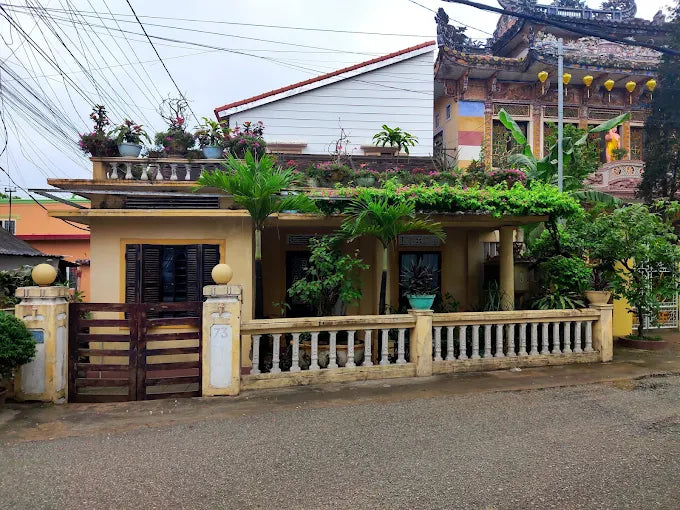
Bao Vinh Ancient Town: A Once-Prosperous Trading Port by the Perfume River
While Hoi An Ancient Town boasts the dazzling glow of lanterns, Bao Vinh Ancient Town chooses a quieter, more subdued charm, nestled along the lower reaches of the Perfume River. Once the busiest trading port of the Hue Imperial City from the 17th to 19th centuries, Bao Vinh today preserves fragments of memories of a prosperous trade era between Vietnamese, Chinese, Japanese, and Western merchants. Join Localtrips.ORG as we journey back in time to discover this "golden age" beauty that is gradually being revived.
Geographical Location of Bao Vinh Ancient Town – The Eastern Gateway to the Imperial City
Bao Vinh Ancient Town is located in Huong Vinh commune, Hue city (formerly part of Huong Tra district), situated in the northeast of the Imperial City. The street runs along the Perfume River, right at the sình fork, where the river turns to flow towards the sea.
Geographically, Bao Vinh served as the economic outpost of the Ancient Capital. The distance from the city center is only about 3km, very convenient for a short day trip to the outskirts. With its strategic location "close to the road, close to the river," it was once a mandatory stop for all merchant ships before entering the inner city.
Famous Tourist Attractions in Bao Vinh Ancient Town – "Time-Traveling" Perspectives
Bao Vinh Ancient Town was once the busiest trading port in the Đàng Trong region from the 17th to the 19th century. Located in the lower reaches of the Perfume River, it boasts a nostalgic beauty with its scattered ancient communal houses, moss-covered walls, and the peaceful rhythm of a once-glorious "trading port."
Below is a journey connecting Bao Vinh Ancient Town with nearby administrative units and famous locations:
1. Geographical Location & Administrative Units
- Address: Located in Huong Vinh commune, Hue city (formerly part of Huong Tra town).
- Features: Bao Vinh is located on the northern outskirts of Hue Imperial City. It is the end point of the Dong Ba River before it merges with the Perfume River to flow into Tam Giang Lagoon.
2. Famous Destinations on the Same Route
The journey from the city center towards Bao Vinh takes visitors through a distinctive cultural heritage axis on the North Bank:
- Dieu De Pagoda: Located on Bach Dang Street, along the Dong Ba River. This is one of the "National Temples" of the Nguyen Dynasty, famous for its "Nine Dragons Hidden in Clouds" painting on the temple's ceiling.
- Gia Hoi Ancient Quarter: Adjacent to Bao Vinh, this area preserves many ancient temples, communal houses, and assembly halls in Hue, reflecting a rich blend of Vietnamese and Chinese cultures.
- Bao Vinh Communal House: An ancient communal house dedicated to the village's founder, where traditional festivals take place, preserving the soul of the old trading port.
- Bao Vinh Market: A rustic riverside market where you can find local agricultural products and enjoy simple, affordable dishes.
3. Artistic Check-in Spots
Bao Vinh became more popular with young tourists after appearing in the film "Dreamy Eyes" (Mắt Biếc):
- Do Do Tailor Shop: One of the most beautiful ancient houses in Bao Vinh, chosen as the main setting for the film.
- Bao Vinh Bridge: A classic iron bridge spanning the river, from here you can admire the panoramic view of the ancient houses reflected in the Dong Ba River.
- Ancient House Cafes: Along the main street, there are many cafes converted from ancient houses, preserving their brick and wooden beam architecture, offering an extremely "chill" atmosphere.
4. Connecting River Experiences
- Thua Luu Pagoda: Located further down the Perfume River, a peaceful and lesser-known pagoda.
- Ferry crossing: You can experience taking a ferry to the other side of the river (Tien Non alluvial plain area) to admire the countryside and vibrant flower gardens in spring.
5. Suggested "Nostalgic Trading Port" Itinerary
This itinerary is suitable for a leisurely afternoon stroll:
- 2:30 PM: Depart from the city center along Bach Dang street, visit Dieu De Pagoda.
- 3:30 PM: Arrive at Bao Vinh Ancient Town, walk along the main street to admire the hundreds-of-years-old ancient houses.
- 4:30 PM: Check in at Do Do Tailor Shop and enjoy coffee at an ancient riverside house.
- 5:30 PM: Stand on Bao Vinh Bridge to watch the sunset over the Dong Ba River.
- Evening: Return to the Gia Hoi area to enjoy vermicelli with fermented shrimp paste (bún giấm nuốt) or Nam Pho thick noodle soup (bánh canh Nam Phổ) specialties.
The journey connecting Bao Vinh Ancient Town offers a different perspective of Hue — not the grandeur of palaces, but the timeless essence of an old port, where the breath of the past still exists in every old house.
Price list for tourist services near Bao Vinh Ancient Town
Bao Vinh Ancient Town is characterized by a community-based tourism and "open" heritage site, so the visiting costs here are very economical, mainly for personal experiences and local food.
Below is a reference price list for services in the Bao Vinh Ancient Town area and its surroundings (Updated 2026):
1. Admission & Check-in Fees
| Service | Reference Price | Notes |
| Visit the ancient town | Free | Walking and sightseeing, outdoor photography |
| Visit ancient houses / Do Do Tailor Shop | Optional donation or purchase drinks | Mostly private homes, you should ask permission and can support by buying drinks |
| Bao Vinh Communal House | Free | Best to visit during the day to admire the architecture |
| Dieu De Pagoda / Imperial Temples | Free | Dress modestly when offering incense |
2. Experience & Transportation Services
| Service | Reference Price | Description |
| Ferry across the Perfume River | 5,000đ - 10,000đ/trip | Experience taking a ferry from Bao Vinh to Tien Non |
| Bicycle rental in the city center | 50,000đ - 80,000đ/day | Cycling from Gia Hoi Ancient Town to Bao Vinh is very enjoyable |
| Cyclo (from Dong Ba Market) | 100,000đ - 150,000đ | A journey to admire the streets along the Dong Ba River |
| Motorbike parking | 5,000đ | At Bao Vinh Market area or cafes |
3. Food & Coffee (Bao Vinh Specialties)
Bao Vinh is famous for its snacks and ancient house cafes at very affordable prices:
- Ancient house cafes: 20,000đ - 45,000đ/cup (Cafes like Mắt Biếc Cafe, riverside cafes).
- Nam Pho thick noodle soup (Bánh canh Nam Phổ): 15,000đ - 25,000đ/bowl (A famous specialty of this region).
- Vermicelli with fermented shrimp paste (Bún giấm nuốt): 20,000đ - 30,000đ/bowl (Often sold in summer, near Dong Ba - Bao Vinh Bridge).
- Bánh bèo, nậm, lọc: 20,000đ - 40,000đ/tray (Sold at Bao Vinh Market or by street vendors).
- Hue street sweet soups (Chè Huế): 10,000đ - 15,000đ/cup.
4. Notes when visiting:
- Best time for photos: You should come around 3:30 PM - 5:30 PM. This is when the sunlight filters through the leaves and mossy tiled roofs, creating a very cinematic color for your photos.
- Etiquette: Since Bao Vinh is a living residential area, if you want to enter the ancient communal houses for filming or professional photography, you should politely ask the homeowners for permission.
- Connect your journey: You should combine the route: Dong Ba Market -> Bach Dang Street (Gia Hoi) -> Bao Vinh Ancient Town. This is the most beautiful riverside heritage route in the northern part of the city.
Compared to the tombs or the Imperial City, a trip to Bao Vinh mostly involves expenses for coffee and local food, making it very suitable for independent and intimate exploration of Hue.
History of Bao Vinh Ancient Town – From a Bustling Trading Port to a Quiet Passage of Time
The history of Bao Vinh is closely linked to the formation of the Nguyen Dynasty. When Thanh Ha port (nearby) was silted up, Bao Vinh replaced it and became the largest trading center in Central Vietnam. Here, goods from the West such as wool, weapons, and Eastern products like silk and ceramics were actively traded.
Interestingly, the trading spirit here was as strong as the way people conquered the Hai Van Pass to transport goods between the North and the South. If the southern mountains had the majestic Hai Van Pass for protection, the eastern side of the Imperial City had Bao Vinh as its gateway to the world. Bao Vinh's decline began when the French built Da Nang port and the railway, but its cultural and architectural values remain intact.
Economy of Bao Vinh Ancient Town – Transformation into Heritage Tourism
In 2026, Bao Vinh's economy no longer relies on large merchant ships but has shifted to a heritage economy model. Ancient houses are preserved and repurposed into homestays, artistic cafes, or handicraft workshops.
Thanks to its proximity to the northern part of Hue and major roads, Bao Vinh is becoming a "green development" destination. Local residents have begun to restore traditional crafts such as painting and weaving to serve tourists, creating a sustainable economic ecosystem based on historical pride.
Weather in Bao Vinh Ancient Town – Charm in Rain and Sunshine
The weather in Bao Vinh is typical of the lower Perfume River region. A practical lesson from Localtrips.ORG is that you should visit in the late afternoon.
- Sunny season: The afternoon sun filtering through the mossy tiled roofs creates a beautiful amber color for artistic photos.
- Rainy season: Bao Vinh Ancient Town in the rain takes on a melancholic beauty, truly embodying the "rain over Hue city" atmosphere. This is the ideal time to sit in an ancient cafe, sip hot tea, and watch the Perfume River gently flow by.
Means of Transportation to Bao Vinh Ancient Town
- Bicycle: The best way to weave through small alleys and feel the slow pace of local life.
- Motorbike: Allows you to flexibly move from the city center or areas like Dong Da ward to the ancient town.
- Cyclo: A luxurious and leisurely experience, very suitable for those who want to admire the scenery along the Dong Ba River.
Cuisine of Bao Vinh Ancient Town – Rich Rural Market Flavors
Visiting Bao Vinh without trying the local specialties is a great oversight:
- Banh bao, banh vac: Dishes reflecting the cultural exchange between Vietnam and China.
- Bun mam, Banh canh: Sold at Bao Vinh market with a unique flavor, rich with the taste of the sea and lagoons.
- Imperial sweet soups (Chè cung đình): Small sweet soup stalls along the road with a delicate, refreshing sweetness.
Accommodation Services in Bao Vinh Ancient Town
In 2026, the "Staycation" trend in ancient houses is growing strongly. Tourists can choose to stay in communal house homestays to experience living like "ancient Hue people." The quiet atmosphere, separated from the hustle and bustle of the city, will bring you absolute relaxation.
Localtrips.ORG specializes in providing travel information for Bao Vinh Ancient Town
With the mission of preserving and promoting indigenous values, the Localtrips.ORG team always accompanies the community in preserving Bao Vinh ancient houses. We not only provide destination information but also tell you the everyday stories of the local people. Our practical experience shows that Bao Vinh is most beautiful when you open your heart to chat with the elderly sitting on the porch of an ancient house, where living history is still preserved through their stories.
[Internal link suggestion to article: 'Top 5 most nostalgic cafes in Hue']
[External link suggestion to page on Vietnamese ancient town architecture preservation]
Frequently Asked Questions (FAQ) – Things to Know When Visiting Bao Vinh
1. Is there an entrance fee to Bao Vinh Ancient Town?
No. Bao Vinh Ancient Town is a normal residential area, you can freely stroll and visit public spaces.
2. Is Mắt Biếc Cafe open daily?
The cafe is usually open from 7:00 AM to 10:00 PM. However, it's quite crowded on weekends, so you should visit on weekdays for better photo opportunities.
3. Can I take a boat from Bao Vinh to neighboring villages?
Yes. At Bao Vinh ferry terminal, you can experience taking a ferry across to Tien Non village or along the Perfume River for a very low price.
4. Do I need permission to take photos inside ancient houses?
If you only take photos outside, it's fine. However, if you want to enter the houses for a visit, please politely ask the homeowner for permission. The people of Bao Vinh are very hospitable and willing to welcome you.
5. When is the best time to visit Bao Vinh?
Around 3:30 PM - 5:30 PM is the "golden" time to watch the sunset over the river and enjoy the beautiful light on the ancient town.
Conclusion
Bao Vinh Ancient Town is like a nostalgic quiet note amidst Hue's modern symphony. Come here to see a once-glorious trading port, to love the mossy tiled roofs and the gentle smiles of the people by the Perfume River.
Final advice: Bring a small notebook or a film camera, Bao Vinh will evoke endless artistic inspiration in you that no other place can.
- What are your feelings about the beauty of Bao Vinh Ancient Town? Please share your story with us!
- For an in-depth and interesting tour of the ancient town, please contact us for tailored tour advice.
- Don't forget to read other articles about heritage tourism on Localtrips.ORG to enrich your journey!


Related collection
Explore collections containing this product


