






Hoi Van Hot Spring, Former Binh Dinh, New Gia Lai: Healing Secrets from Central Vietnam's Earth
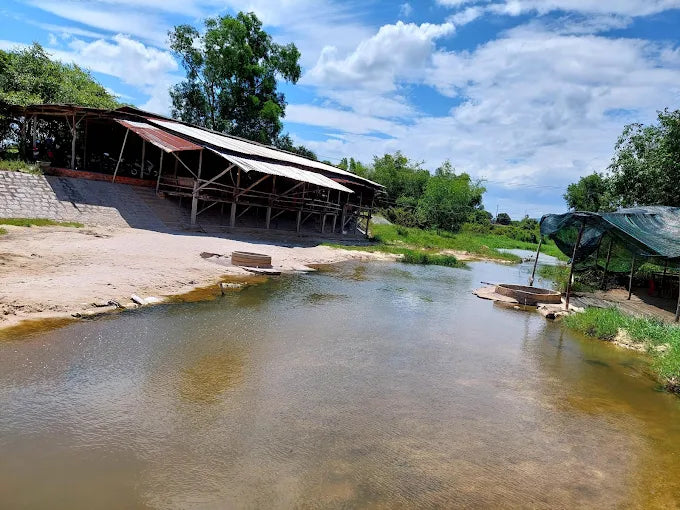
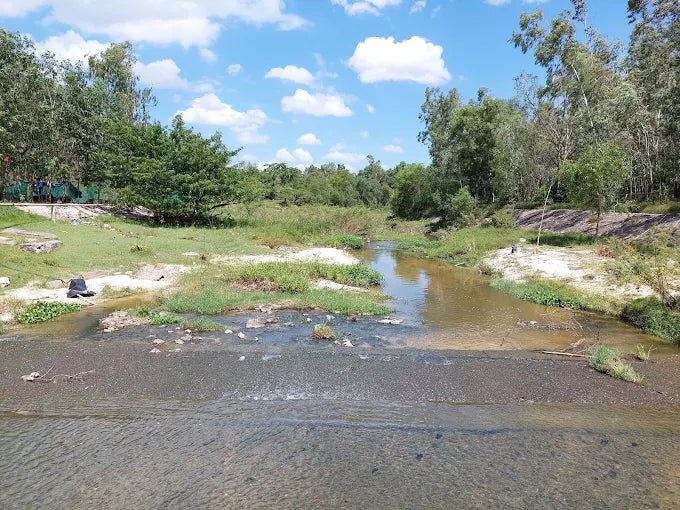
Far from the bustling waves of Quy Nhon's coastal city, a quiet stream with the miraculous power of geothermal energy awaits travelers' footsteps. This is Hoi Van Hot Spring, an invaluable gift that Mother Nature has bestowed upon the land of former Binh Dinh. Amidst the hurried pace of life, the trend of seeking balance through wellness tourism is becoming a guiding principle for those in need of solace.
Especially with the continuous development of infrastructure in 2026, the connection between the coast and the new Gia Lai region has transformed Hoi Van into an ideal "energy charging station" for cross-Vietnam journeys. Based on the experience of the Local Trips team, we consider this a destination that combines all elements: therapy, relaxation, and local cultural exploration. Let LocalTrips.ORG guide you on a journey to unravel the charm of this legendary mineral spring.
Geographical Location of Hoi Van Hot Spring, Former Binh Dinh, New Gia Lai
If you are looking for a weekend getaway away from the hustle and bustle of the city, Hoi Van is a golden spot. This mineral spring complex is located in Cat Hiep Commune, Phu Cat District, Binh Dinh Province.
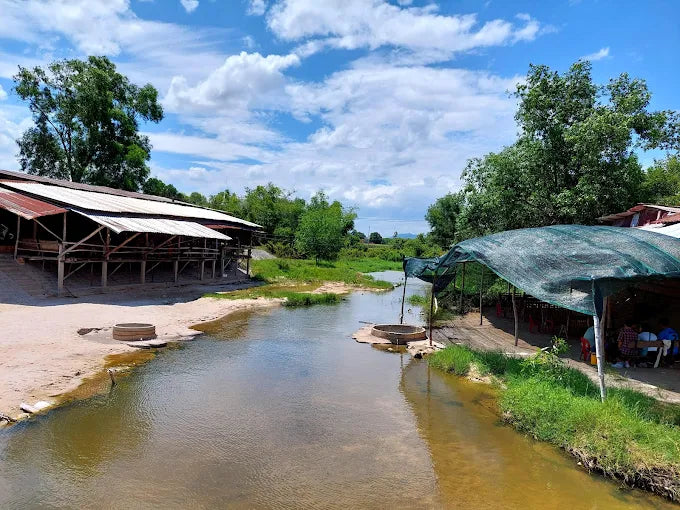
Spatially, Hoi Van Hot Spring is located about 40 km northwest of Quy Nhon city center. This place boasts a favorable feng shui position, situated near the historical Con River, surrounded by low mountains and verdant rice fields characteristic of the midland region. A unique feature of this location is its geographical intersection: it lies on the East-West corridor, directly connecting to the Gia Lai Central Highlands via National Highway 19. This location not only facilitates convenient travel but also transforms Hoi Van into a crucial link in the health tourism chain between the coastal region and the windy plateau.
Famous Tourist Attractions in Hoi Van Hot Spring, Former Binh Dinh, New Gia Lai
The persistent question from tourists is always: "What makes Hoi Van Hot Spring so attractive?". From a professional perspective, we see the value of this place in the perfect combination of fascinating geological phenomena and modern health care services.
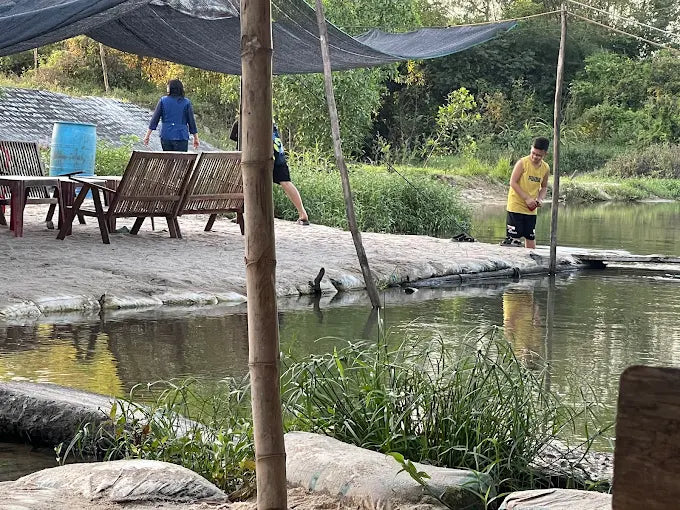
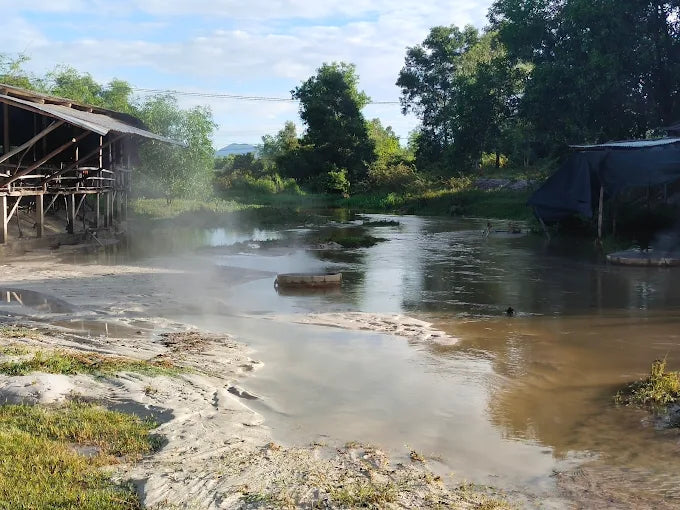
- Natural hot mineral spring: This is the "heart" of the entire area. Water from underground springs erupts from the ground, forming misty plumes. The most unique aspect is the spring temperature (~70–80°C) at the source points, hot enough for visitors to boil eggs right in the rock crevices – a distinctive image when mentioning hot mineral springs in Central Vietnam.
- Mineral water therapy: Hoi Van is famous for its abundant natural mineral content such as sulfur, silicon, and beneficial trace elements. Balneotherapy treatments here have been proven to support the treatment of musculoskeletal diseases and promote health recovery after stressful working days.
- Ecological resort: Currently, the emergence of high-end hot spring resort models has elevated the experience. Visitors not only come to "bathe in the spring" but also to enjoy specialized hot mineral spa services, combining modern techniques with rare geothermal water sources.
- Mineral mud bath: One of the unmissable experiences at spa therapy centers in Hoi Van is the mud bath, which helps detoxify the body and rejuvenate the skin naturally.
History of Hoi Van Hot Spring, Former Binh Dinh, New Gia Lai
Hoi Van Hot Spring is not only a geological phenomenon but also contains layers of history and legends about the ancient Champa Kingdom. According to local legend, this was the "Fairy Spring" where Champa princesses often came to maintain their beauty and health.
In the memories of the people of former Binh Dinh, "Hoi Van hot spring" has been intertwined with daily life for generations. People in the surrounding area have long known how to utilize this water source to treat skin diseases and body aches. Today, with the development of archaeology and heritage preservation, Hoi Van is being reimagined as part of a heritage + coastal + highland tourism network, where past and present harmonize in every breath of the mineral water. Exploring the history of this place is also a way for travelers to learn more about the resilience and wisdom of their ancestors in adapting to and utilizing natural resources.
Economy of Hoi Van Hot Spring, Former Binh Dinh, New Gia Lai
The transformation of Hoi Van is significantly contributing to the overall economy of Binh Dinh province and neighboring areas such as Tay Son and Phu Cat.
-
Driving force from wellness tourism: The development of wellness tourism Vietnam has transformed Hoi Van from a pristine destination into an international-class mineral spring resort. This creates thousands of jobs for local workers and promotes the development of service and transportation industries.
-
Strategic regional links: The integration of development visions between coastal Binh Dinh in the South Central Coast and the Central Highlands has created a new economic impetus. Tourists from Quy Nhon administrative center flock to Hoi Van, and conversely, groups of visitors from the new Gia Lai region also choose this place as a healing stop before heading to the coast.
-
Attracting infrastructure investment: Large-scale natural hot spring resort Vietnam projects are being implemented, transforming the Phu Cat Binh Dinh area into a magnet for investment in sustainable eco-tourism.
Weather at Hoi Van Hot Spring, Former Binh Dinh, New Gia Lai
To fully enjoy the hydrotherapy at Hoi Van, choosing the right time to visit is crucial.
-
Cool and cold season (September to February): This is considered the "golden time" to visit Hoi Van. When the weather in Central Vietnam turns chilly, immersing oneself in the natural hot spring water will bring an extremely refreshing feeling, helping to relax the body and warm the blood vessels. The steam rising from the spring in this weather also creates a magical, ethereal scene.
-
Dry season (March to August): Despite the sunny weather, Hoi Van still has its own charm thanks to its tranquil nature and fresh environment. Tourists often choose to come here early in the morning or late in the afternoon to avoid the heat and enjoy mineral bathing services in the cool atmosphere of eco-resorts.
A practical tip is to check the local weather forecast to avoid heavy rainy days, as rainwater can dilute the temperature of exposed mineral springs.
Transportation to Hoi Van Hot Spring, Former Binh Dinh, New Gia Lai
Traveling to Binh Dinh's natural hot spring is now very convenient thanks to the synchronized upgrade of the East-West corridor transportation system:
- From Quy Nhon city center: You can rent a motorbike or private car and travel along National Highway 1. After passing Ngo May town (Phu Cat), turn left towards Cat Hiep commune. The distance is about 40 km on wide asphalt roads, very suitable for short backpacking trips.
- From Pleiku (Gia Lai): Following National Highway 19 down An Khe Pass to Binh Dinh, tourists can easily reach Hoi Van. The Quy Nhon – Tay Son – Gia Lai route is currently a favorite itinerary for many travelers who want to combine exploring the coast and the highlands.
- Public transportation: Local bus routes from Quy Nhon to Phu Cat are also an economical option for those who want to experience mineral bathing in the most rustic way.
Cuisine of Hoi Van Hot Spring, Former Binh Dinh, New Gia Lai
Coming to Hoi Van without enjoying dishes prepared from the geothermal water source is like not having been here at all.
- Chicken eggs boiled in mineral spring water: This is a "legendary" dish here. Eggs are soaked in natural hot water pits, gradually cooking from the inside out thanks to the stable temperature, retaining their full nutritional content and having a very distinctive aroma.
- Chicken steamed in sand/hot spring: Free-range chicken from Phu Cat has firm, sweet meat, cleaned and then steamed with hot steam emanating from the mineral spring. The sweetness of the chicken meat blended with the earthy aroma creates an unforgettable dish.
- Quy Nhon seafood: Thanks to its proximity to the sea, resorts here always serve fresh seafood caught daily, offering a diverse menu for visitors.
- Local specialties: Don't forget to enjoy rustic dishes of the midland region such as coconut rice crackers, Nem Cha Cho Huyen when you have the opportunity to visit this area.
Accommodation Services at Hoi Van Hot Spring, Former Binh Dinh, New Gia Lai
Currently, the accommodation segment in Hoi Van has diversified to meet all traveler needs:
- Central Vietnam hot mineral resorts: Projects like Maia Resort and other high-end resorts are gradually taking shape around the mineral spring area, offering luxurious accommodation with private hot mineral pools.
- Therapeutic guesthouses: Suitable for guests staying long-term to recover from musculoskeletal conditions or undergo medical treatments under the guidance of balneotherapy specialists.
- Camping and Picnic: For young groups who love exploration, setting up tents next to small streams (in safe areas) to enjoy the peaceful natural atmosphere is an excellent choice for a weekend.
Localtrips.ORG specializes in providing travel information about Hoi Van Hot Spring
At Localtrips.ORG, we are not just guides, but companions on every healing retreat. We understand that the value of a trip is not only in beautiful check-in photos of Hoi Van, but also in the revitalization of body, mind, and spirit after immersing oneself in the hot mineral waters.
Based on mineral composition indicators and actual feedback from thousands of travelers, LocalTrips.ORG is committed to providing the most accurate and transparent information about hot spring spa services in Vietnam. We have noticed that the combination of the cool climate of the Gia Lai plateau and the thermal energy of Hoi Van is the perfect formula for a complete cross-region vacation.
FAQs
1. What are the health benefits of bathing in Hoi Van hot springs?
Hoi Van mineral water contains high levels of trace elements, which help dilate blood vessels, improve blood circulation, reduce bone and joint pain, support the treatment of skin diseases, and promote better sleep through natural relaxation therapy.
2. Is the spring water too hot for bathing?
At the source points, the temperature can reach up to 80°C (not suitable for direct bathing). However, at tourist areas and resorts, the water is channeled to reservoirs and its temperature is adjusted to an ideal level (around 37–42°C) for body safety.
3. Can children participate in hot mineral bathing?
Children can certainly bathe in mineral water but require adult supervision and should not immerse themselves for too long (usually no more than 15 minutes at a time) to avoid dehydration or heatstroke.
4. What should I prepare when visiting "Hoi Van"?
You should bring a swimsuit, personal towel, and especially drink plenty of water before and after bathing in the mineral water to avoid dehydration.
5. How long does it take to travel from Quy Nhon to Hoi Van?
If traveling by car or motorbike, it will take about 1 hour, depending on speed and traffic density.
6. Are mud bath services available separately or only as part of a package?
Most tourist areas in Hoi Van sell individual tickets for services such as mineral bathing, mud bathing, or combo packages, allowing visitors to choose flexibly according to their needs.
Conclusion:
Hoi Van Hot Springs, once in Binh Dinh, now in Gia Lai, is not just a destination; it's a journey back to Mother Nature to be embraced and healed. In the heart of the harsh Central region, this stream continues to flow persistently, much like the resilient spirit of the local people. Don't just hear about it; let the warm waters of Hoi Van caress your skin and the breath of the Phu Cat mountains cleanse your mind.
Final advice: "Let the hot mineral water wash away your fatigue, but leave no trace that would harm the pristine nature of the stream."
Read more articles about travel on our website to discover other wonderful Quy Nhon resort destinations. Contact us for consultation on all-inclusive hot spring resort tours, or leave a comment sharing your feelings if you've experienced the "magic" at Hoi Van!
[Image: Misty smoke rising from Hoi Van hot springs in the early morning - Alt text: Ethereal scenery at Hoi Van hot springs, Binh Dinh]
[Image: Tourists experiencing boiling chicken eggs in the hot spring - Alt text: Experience boiling chicken eggs with natural mineral water at Hoi Van]


Related collection
Explore collections containing this product


