



When mentioning Quy Nhon, many people often immediately think of pristine beaches, untouched islands, or the stunning Eo Gió and Ky Co. However, few realize that deep beneath the clear waters, or hidden on rocky mountain slopes, there are traces of a heroic past, the most prominent and mysterious of which is perhaps the structure known as Quy Nhon Ancient Citadel. So, what is Quy Nhon Ancient Citadel, and why is it associated with such mysterious stories? Let's embark on a journey of unraveling with the Local Trips Team.
Where is Quy Nhon Ancient Citadel Located? A Position That Sparks Curiosity

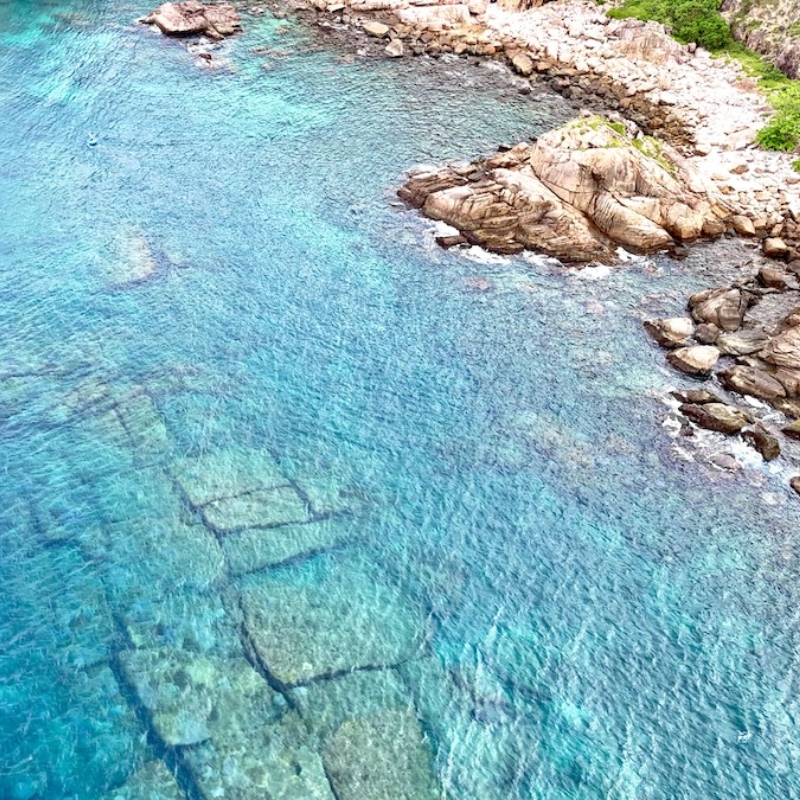
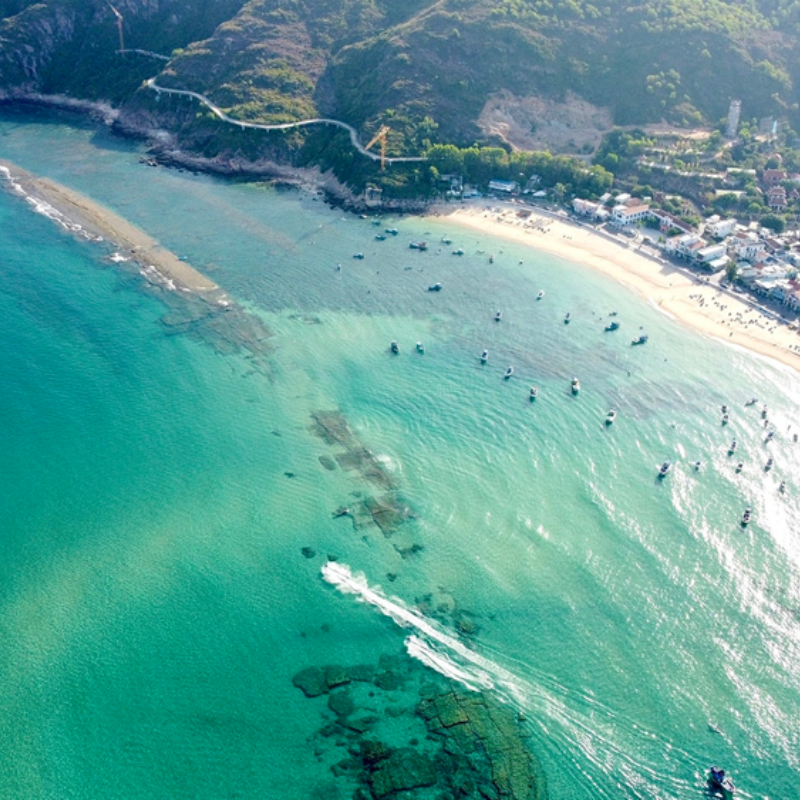
The first question anyone interested in this relic asks is: where is Quy Nhon Ancient Citadel? Unlike many other ancient citadels standing proudly on land, the "Ancient Citadel" we are referring to here has a unique character. Based on known and recorded information, traces of an ancient wall structure are primarily found in the coastal and mountainous areas belonging to Nhon Hai commune and Hai Cang ward, Quy Nhon city, Binh Dinh province. More specifically, a significant and much-debated section is hidden beneath the seabed near the coast of Nhon Hai commune.
This makes pinpointing the exact location of Quy Nhon Ancient Citadel complex. It is not a single, easily identifiable point, but rather a collection of scattered vestiges, challenging our understanding and exploration. This unique location also creates a strange allure, attracting researchers, history tourists, and adventure enthusiasts.
History of Quy Nhon Ancient Citadel Formation: Mysterious Fragments

To understand the history of Quy Nhon Ancient Citadel, we need to go back a long way, to the period when the land of Binh Dinh was once the power center of the magnificent Champa culture. Binh Dinh, with its capital Vijaya (Do Ban), was one of the most important cradles of the Champa kingdom. Its coastal geographical location and strategic river mouths (like Thi Nai estuary) made it a battleground and defense point throughout many periods.
Historical documents record the existence of many citadels and defensive ramparts in Binh Dinh from the Champa period to the Dai Viet dynasties such as the Nguyen Dynasty and other feudal periods. However, what is special about the ancient wall structure in Nhon Hai is the lack of specific records in ancient texts, especially concerning a structure under the sea.
For the Local Trips Team, this mystery is precisely its most captivating aspect. It urges us to delve deeper, listen to stories from local people, and await new discoveries from archaeologists. We believe that, regardless of its exact date and purpose, these vestiges are evidence of a vibrant past and the strategic importance of the Quy Nhon - Binh Dinh region from very early times.
Who Usually Comes to Quy Nhon Ancient Citadel and For What Purpose?

Given its mysterious nature and unique location, Quy Nhon Ancient Citadel (especially the underwater wall area in Nhon Hai) attracts many different types of visitors:
- Researchers and Archaeologists: They come to survey, measure, and collect samples, hoping to decipher the mysteries of the structure's age, purpose, and construction techniques.
- History and exploration enthusiasts: You and guests with a passion for ancient history, Champa culture, or simply curiosity about the unknown, will find this place extremely fascinating. They come to witness this rare relic firsthand, take pictures of Quy Nhon Ancient Citadel, and experience the atmosphere of a special site. We have been there and clearly felt the difference when touching the mysterious mortar layer underwater.
- Tourists seeking unique experiences: Having to wait for the tide to recede to see the wall, or combining the visit with diving and snorkeling activities in Nhon Hai, offers an experience that no other place can compare to. They seek novelty and adventure.
- Local residents and students: This is part of their homeland's heritage. Locals proudly tell oral stories, while students can come here on field trips and practical studies to gain knowledge about Vietnamese History and historical tourism.
In general, those who come to this area do not simply come to check in or enjoy the scenery, but also to learn, explore, and connect with the past. I feel very happy to see the curious eyes and excitement of young people when they first hear about the underwater wall story.
How to Get to Quy Nhon Ancient Citadel: A Journey to the Mystery
To reach the area with traces of Quy Nhon Ancient Citadel, you need to travel to Nhon Hai commune or the area near Tam Toa mountain in Quy Nhon City, Binh Dinh.
From Quy Nhon City center:
- Motorbike/Private car
- Taxi/Ride-hailing motorbike
- Bus
Once in Nhon Hai: The underwater wall traces are near the shore, between Hai Nam village and Hai Dong village, extending to the Hai Giang area. To access the wall, you need to:
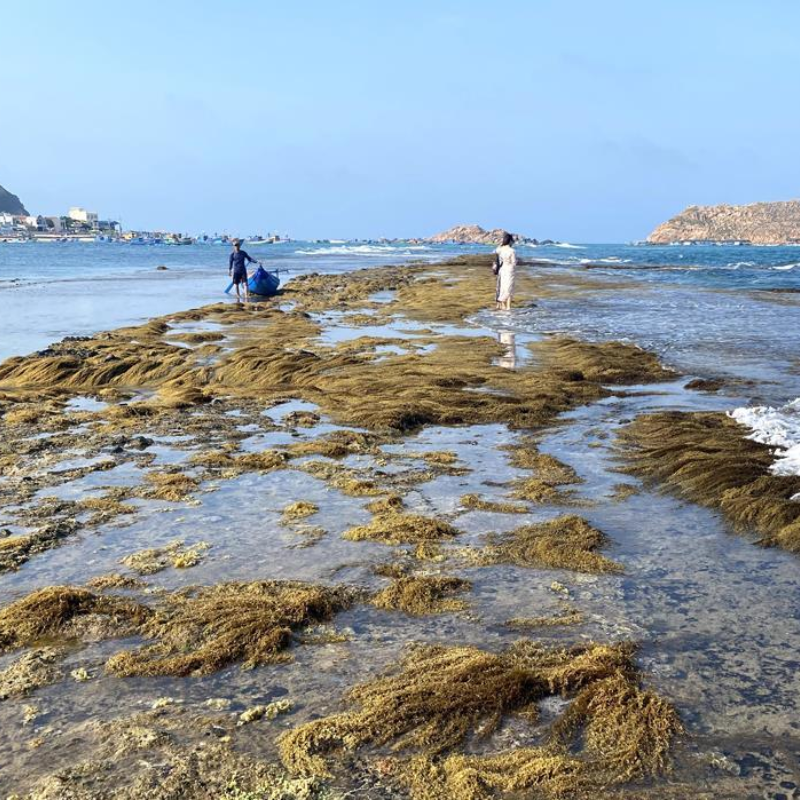
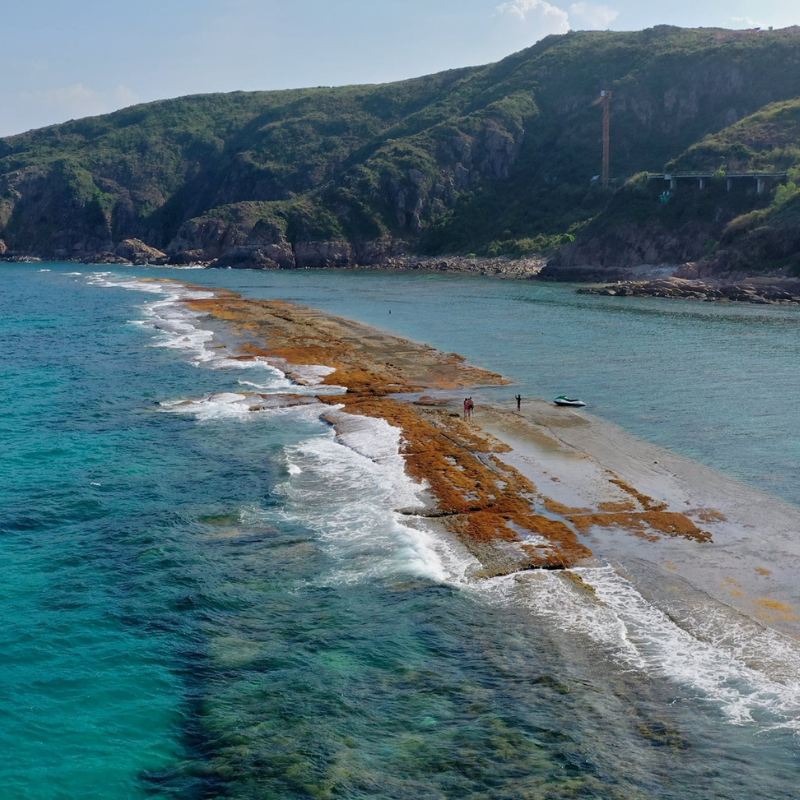
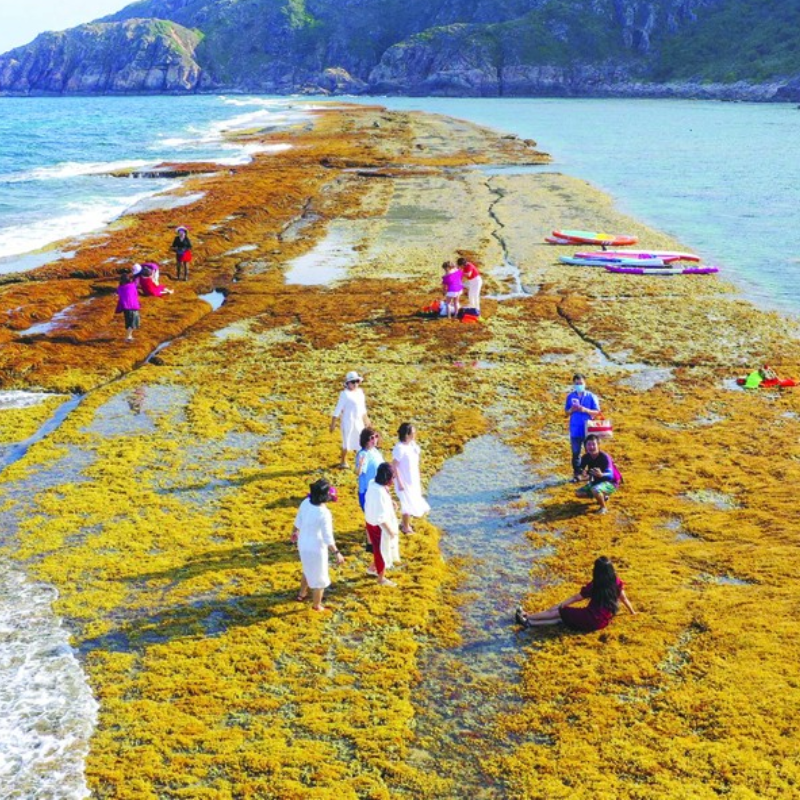
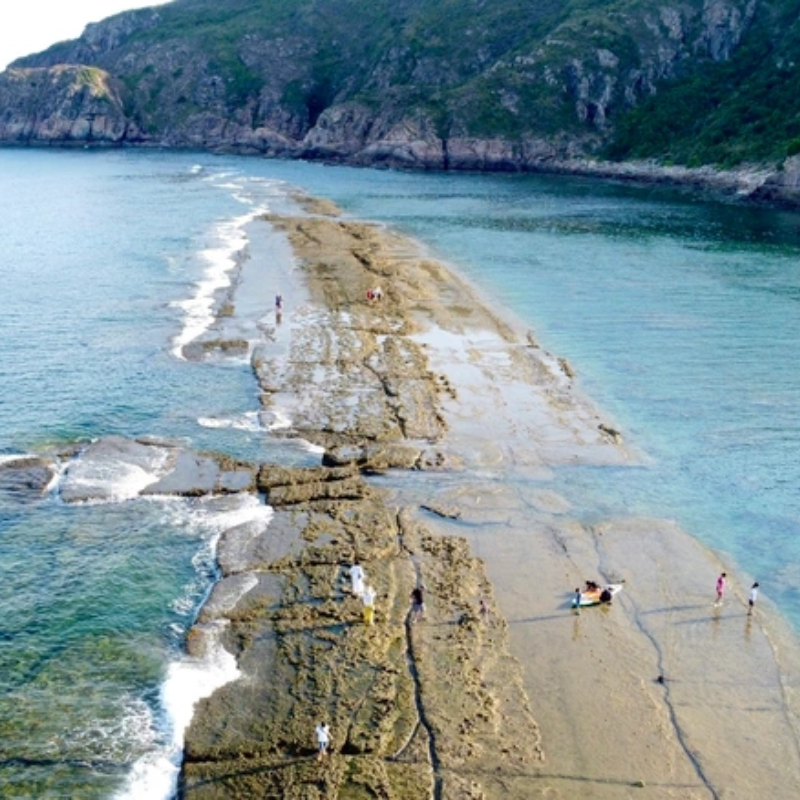
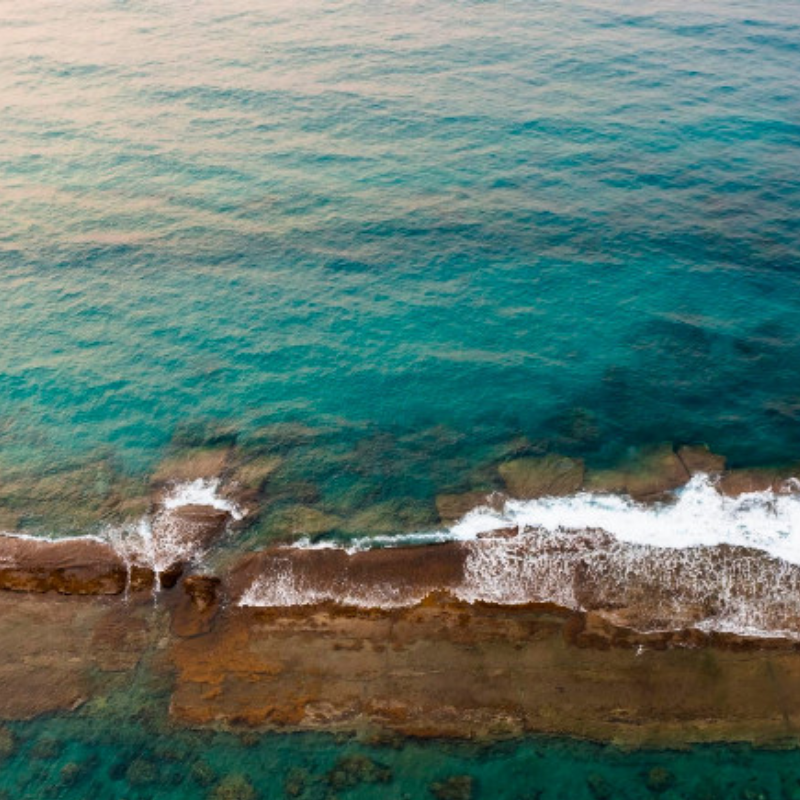
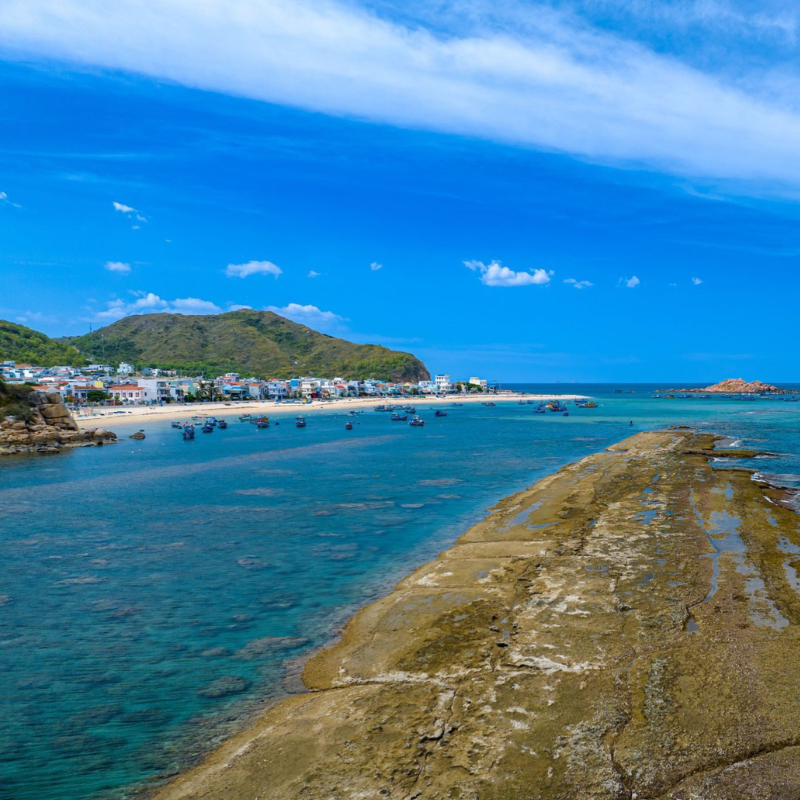
Walk/Rent a basket boat: When the tide recedes, especially on the 1st and 15th days of the lunar month, part of the wall may be exposed near the shore, allowing you to walk out or rent a fisherman's basket boat for easier access.
Rent a boat/canoe: To observe or dive into deeper sections, or to move between points in Nhon Hai and Hai Giang, you can rent a boat or canoe from local tour operators. You should ask for information from locals or reputable travel services.
To pinpoint the exact location on the map of Quy Nhon Ancient Citadel and know when the tide is lowest, you should look up tide forecasts or ask locals before you go. Viewing Quy Nhon Ancient Citadel on a map will help you visualize the location of Nhon Hai relative to Quy Nhon city center and nearby points.
Costs When Visiting Quy Nhon Ancient Citadel

Visiting the area with traces of Quy Nhon Ancient Citadel does not have an official entrance fee like other well-planned historical sites, as this is a natural/historical relic that has not yet been widely exploited for tourism. However, you will incur the following costs:
- Transportation costs: Fuel if going by motorbike/private car, taxi/ride-hailing motorbike fare, or bus ticket.
- Boat/canoe rental costs: If you want to get close to the underwater wall or move between points at sea. Rental prices depend on the type of vehicle and duration of use; you should ask for prices and agree clearly before going.
- Food and other service costs: Eating fresh seafood in Nhon Hai or nearby restaurants. This cost depends on your needs.
- Incidental costs (if any): Hiring a local guide (recommended to hear stories and learn more deeply), buying souvenirs.
In general, the costs of visiting Quy Nhon Ancient Citadel (focusing on Nhon Hai) are quite reasonable, suitable for the budget of many tourists.
Tips for Visiting Quy Nhon Ancient Citadel: Enjoy Your Trip to the Fullest

To have a truly memorable and meaningful visit to Quy Nhon Ancient Citadel, the Local Trips Team would like to share some valuable tips for visiting Quy Nhon Ancient Citadel:
- Check the tide: This is the most important factor if you want to see the underwater wall with your own eyes. Find out the tide schedule or ask locals about the days and times of the lowest tide (usually on the 1st and 15th days of the lunar month). Going at this time will give you the best experience. We remember the first time we saw the rock slabs and mortar patches gradually appearing under the water; it felt like discovering a forgotten treasure.
- Ideal time to go: From April to August annually is when the sea in Nhon Hai is calm, with little rain or storms, favorable for boat travel and underwater observation.
- Attire and accessories: Prepare comfortable, easy-to-move clothing. If you plan to dive or snorkel, bring swimwear, diving goggles, and a snorkel. Don't forget sunscreen, hats, caps, and drinking water, especially in summer.
- Protect the environment: This area still retains its pristine beauty; please help preserve the landscape by not littering.
- Research beforehand: Reading articles, watching videos of Quy Nhon Ancient Citadel, and reviews of Quy Nhon Ancient Citadel from previous visitors will help you get a clearer idea of the location and what to note.
- Talk to locals: They are the "living witnesses" of the land, holding many valuable stories and experiences. Talking to them will help you learn more about the history, culture, and life here.
- Combine with nearby attractions: The Nhon Hai area and its surroundings have many other attractive tourist spots. Plan to make your trip even richer.
Nearby Attractions to Quy Nhon Ancient Citadel (What to Eat? What to Do?)

In addition to learning about the ancient wall traces, when you come to this area, you can also experience many other interesting things. So, what does Quy Nhon Ancient Citadel offer to explore and what nearby attractions to Quy Nhon Ancient Citadel are worth visiting?
- Admire the ancient underwater wall: This is the most unique experience. When the tide recedes, you can see sections of the wall exposed. If possible, try snorkeling or diving to admire this mysterious structure in the clear blue water. I was overwhelmed by the beauty of the ancient stone slabs hidden beneath the ocean, a feeling both thrilling and mysterious.
- Explore Nhon Hai Fishing Village: A peaceful fishing village where you can observe the daily life of fishermen and learn about traditional fishing.
- Visit Hon Kho: A small island near the shore, famous for its unique walking path in the middle of the sea (exposed at low tide) and coral diving activities.
- Near Hai Giang area: You can explore more sections of the wall or other relics if you get information from locals.
- Climb Tam Toa mountain: For those who love trekking and want to learn about the ancient stone ramparts on the mountain. From the top of the mountain, you can also admire the panoramic view of the sea and Quy Nhon city from above.
- What to eat near Quy Nhon Ancient Citadel? When in Nhon Hai, you definitely cannot miss fresh and delicious seafood. There are many small restaurants run by locals, serving freshly caught seafood at affordable prices. Especially, dishes made from snails, squid, shrimp, and fresh fish are excellent choices.
- Hotels near Quy Nhon Ancient Citadel? The Nhon Hai area mainly has small guesthouses and homestays converted by locals, offering an experience close to local life. If you want more diverse and comfortable options, you can find hotels near Quy Nhon Ancient Citadel in Quy Nhon city center and travel to Nhon Hai for the day.
Additionally, from Nhon Hai, you can easily connect to other famous Quy Nhon tourist attractions such as:
- Eo Gió - Ky Co: Beautiful natural landscapes with majestic cliffs and a crescent-shaped beach.
- Ancient Cham Towers: Such as Thap Doi (Twin Towers) right in Quy Nhon city, or the complex of Duong Long Towers (Binh Tay) and Banh It Tower (Tuy Phuoc) not far away, which are clear evidence of Champa culture in Binh Dinh.
- Binh Dinh Museum: A place that preserves many valuable artifacts about the history and culture of the province, including artifacts related to the Champa period and the Tay Son movement.
- Combining a visit to Quy Nhon Ancient Citadel (Nhon Hai area) with these destinations will give you a comprehensive discovery journey of the beautiful scenery, history, and culture of the Quy Nhon - Binh Dinh region.
Local Trips.ORG: Discover Quy Nhon Ancient Citadel and Other Quy Nhon Attractions with Us

With the mission of providing the most authentic and in-depth travel experiences, the Local Trips Team, which is our company, is proud to be the unit that specializes in providing search information and attractions in Quy Nhon Ancient Citadel and the entire Binh Dinh region.
We not only provide the latest information about this mysterious relic, from its history, location, and how to get there, but also share personal perspectives and stories that we have gathered from locals and researchers.
If you are planning a trip to Quy Nhon, let Local Trips.ORG be your trusted companion. We can:
- Provide detailed information and advise on itineraries that suit your needs and preferences.
- Recommend reputable local services (boat rentals, tour guides).
- We provide authentic articles, Quy Nhon ancient citadel photos, and Quy Nhon ancient citadel videos to give you a clearer picture before your trip.
- Connect you with other unique cultural and culinary experiences in Binh Dinh.
We believe that with the support of the Local Trips Team, your trip to explore Quy Nhon Ancient Citadel and other Quy Nhon attractions will be easier, more meaningful, and more memorable than ever. Contact us for detailed advice!
FAQ About Quy Nhon Ancient Citadel? Frequently Asked Questions

To answer more of your questions, the Local Trips Team has compiled some frequently asked questions about this relic:
What is Quy Nhon ancient citadel? It is a general name for the remains of ancient defensive structures in the Quy Nhon - Binh Dinh area, notably the mysterious wall lying at the bottom of the sea near Nhon Hai commune and the stone rampart on Tam Toa mountain.
Where is Quy Nhon ancient citadel located? Mainly in the sea area of Nhon Hai commune and Tam Toa mountain, Quy Nhon City, Binh Dinh province.
Is the history of Quy Nhon ancient citadel clear? Not entirely clear, especially the underwater wall. Its exact age and purpose remain a mystery, requiring further research.
When was Quy Nhon ancient citadel built? Not precisely determined. It may be related to the Champa period or later historical periods.
How long did it take to build Quy Nhon ancient citadel? No specific information.
What is special about the architecture of Quy Nhon ancient citadel? The underwater structure was built with solid monolithic mortar, unlike the common stone and brick architecture of other ancient citadels in the region.
Conclusion:
Quy Nhon Ancient Citadel is not just a name, but an invitation to explore a mysterious and fascinating past on the heroic land of Binh Dinh. Although its secrets have not been fully revealed, the remaining traces are enough to arouse the curiosity and admiration of anyone who sets foot here. I feel like I'm lost in a world of ancient stories every time I come to Nhon Hai, and I can't forget the feeling of seeing the citadel wall gradually emerge from the bottom of the sea.


Related collection
Explore collections containing this product


