
Diệu Đế Pagoda in Huế
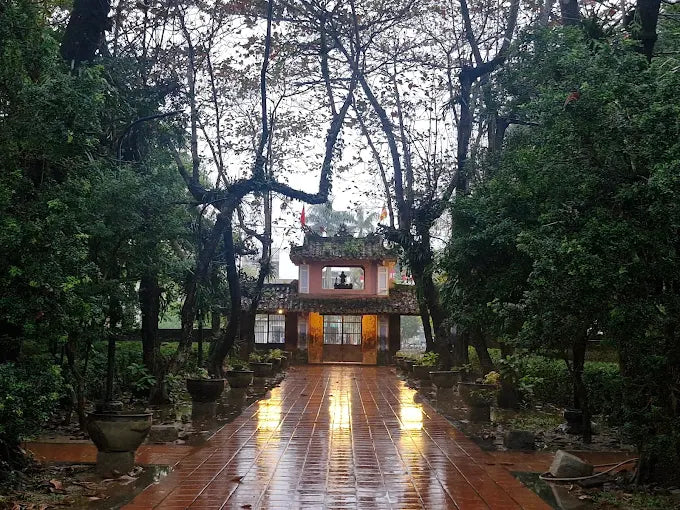
Dieu De Pagoda: A Majestic National Pagoda in the Heart of the Ancient Capital
If you're strolling along the riverbanks in Hue and come across a pagoda with an imposing triple-gated entrance reflecting on the Dao River, that is Dieu De Pagoda. More than just a sacred place of worship, Dieu De is a "witness" to a heroic historical period, having been recognized as a National Pagoda by Emperor Thieu Tri. Join LocalTrips.ORG to discover the ancient beauty and the story behind this prestigious pagoda.
Geographical Location – A Highlight by the Dao River
The pagoda is located at 100 Bach Dang Street, Gia Hoi Ward, Hue City, Thua Thien Hue Province. It sits right next to the Dao River (also known as the Dong Ba River), an ancient canal connected to the defensive and waterway transport system of the former Hue capital.
Situated right in the heart of the old town (Gia Hoi area - where many noble residences and ancient architectures are concentrated), Dieu De is not only a spiritual center for locals but also an interesting stop for tourists who want to learn about the lifestyle of Hue people in the past.
List of Administrative Units Near Dieu De Pagoda and Famous Landmarks
Dieu De Pagoda is one of the three most famous national pagodas in Hue (along with Thien Mu Pagoda and Thanh Duyen Pagoda), located in the ancient Gia Hoi quarter. Below is a list of administrative units and famous landmarks in the vicinity of this pagoda:
1. Direct Administrative Units
Dieu De Pagoda is located on the North bank of the Perfume River, within the administrative boundaries of:
- Gia Hoi Ward: This is a new administrative unit (merged from the former Phu Cat and Phu Hiep Wards). The pagoda is situated directly on Bach Dang Street, reflecting on the Dong Ba River.
-
Adjacent Wards: * Dong Ba Ward: Located on the opposite side across the Dong Ba River (Dong Ba Market area).
- Phu Hau Ward: Located downstream of the Perfume River, adjacent to the old town area.
2. Famous Tourist Attractions Near Dieu De Pagoda
Due to its location in the ancient Gia Hoi quarter – an area rich in ancient mansions and pagodas, visitors can combine their visit with the following attractions:
- Dong Ba River & Gia Hoi Bridge: Right in front of the pagoda's gate is the tranquil Dong Ba River and the historic Gia Hoi Bridge connecting the old quarter with the commercial center.
- Dong Ba Market: Approximately 800m to 1km from the pagoda, it is an iconic market in Hue with a variety of local specialties and souvenirs.
-
Gia Hoi Ancient Town (Bach Dang & Chi Lang Streets): Home to numerous ancient Ruong houses, and noble residences of Nguyen Dynasty princes and princesses such as:
- Gia Hung Vuong Temple.
- Hoa Thanh Vuong Temple.
- Chi Lang Communal House (Phu Cat Village Communal House): A typical religious architectural work of the old town residents.
- Ong Pagoda (Quang Trieu Mieu): A Chinese temple with intricately carved architecture, located on Chi Lang Street.
- Thanh Binh Tu Duong: Located in nearby alleys, this is a place of worship for the patron saint of Vietnamese theater.
3. Surrounding Roads
- Bach Dang Street: The road running along the Dong Ba River, where Dieu De Pagoda is prominently located.
- Chi Lang Street: The main road parallel to Bach Dang, featuring many historical sites and traditional food stalls.
- Trinh Cong Son Street: Located on the opposite side or a short walk along the riverside park to enjoy the green space and view the old town from a distance.
The area around Dieu De Pagoda offers a nostalgic atmosphere, less bustling than the walking streets on the South bank, making it ideal for exploring the culture and local life of the ancient capital's residents.
Glorious History – "National Pagoda" of Emperor Thieu Tri
Dieu De Pagoda has a very special history:
- Royal Origin: This was originally the birthplace of Emperor Thieu Tri when he was still a prince. Upon ascending the throne, the emperor converted this place into a pagoda and named it Dieu De Quoc Tu in 1844.
- Religious Symbol: During the Nguyen Dynasty, the pagoda was one of the four prestigious "National Pagodas," playing an important role in national ceremonies and serving as a place to pray for peace for the dynasty.
- Mark of an Era: Despite many historical events and wars, the pagoda has been renovated numerous times, yet it retains the essence of a meticulously crafted royal architectural work.
Outstanding Architecture at Dieu De
Although not exceptionally large, Dieu De Pagoda boasts extremely impressive architecture:
- Triple Gate (Tam Quan): Designed with sturdy construction and meticulously carved patterns, it serves as a solemn spiritual "gateway."
- Dai Hung Buu Dien (Main Hall): The central part of the pagoda, housing many precious Buddha statues. The interior is always solemn with murals depicting the life of Buddha, created by talented Hue artisans.
- Pagoda Garden: The grounds are not vast but are exquisitely planned with flower beds and small lotus ponds, creating a cool and peaceful atmosphere right in the heart of the bustling city.
[Image: Moss-covered Triple Gate of Dieu De Pagoda - Alt text: Ancient architecture of Dieu De Pagoda Hue]
Visitor Information & Ceremony Times (Updated 2026)
The pagoda always welcomes pilgrims to worship and learn about the culture:
|
Information Type |
Details |
Suggestion/Estimated Price (VND) |
|
Admission Fee |
Visiting & Worship |
0 VND |
|
Weekday Ceremony Times |
Early Morning & Late Afternoon |
5:00 AM & 6:00 PM |
|
Parking |
Sidewalk area in front of the gate |
5,000 / visit |
|
Tour Guide |
Voluntary (contact office) |
Donation-based |
Ideal Time to Visit
You can visit Dieu De Pagoda at any time. However, early morning (when locals begin to worship Buddha) or late afternoon (when the sunset light casts upon the moss-covered walls) is when the pagoda is at its most beautiful. If you visit Hue during Vesak (Buddha's Birthday), you will see Bach Dang Street in front of the pagoda illuminated with vibrant altars and sparkling flower boats.
Transportation to the Pagoda
- Cyclo: This is the best way to stroll through Gia Hoi and stop at Dieu De. The slow pace of the cyclo allows you to enjoy the ancient atmosphere of this quarter.
- Motorbike/Bicycle: Suitable if you want to combine visiting the pagoda with other sights like Gia Hoi Bridge, Dong Ba Market.
- Taxi/Grab: Fast and convenient if you're coming from hotels in the city center.
Nearby Cuisine & Accommodation
The Gia Hoi area is known as the "capital" of traditional Hue cuisine. Don't forget to try local specialty cakes like banh nam, banh loc at small roadside shops, or visit coffee shops hidden in the ancient Ruong houses nearby.
[Internal link suggestion to article: 'Discovering Gia Hoi Ancient Quarter - The Living Heritage of Hue Ancient Capital']
Localtrips.ORG Specializes in Providing Tourist Information for Dieu De Pagoda
From a professional perspective, LocalTrips.ORG recommends combining a visit to Dieu De Pagoda with a stroll around the ancient Gia Hoi quarter to learn more about the lives of former royal residents. A valuable lesson is to listen to the sound of the pagoda bells in the late afternoon; it's a distinctive Hue sound you won't find anywhere else. We constantly update our information to ensure your journey to Dieu De is always meaningful and rich in cultural value.
FAQ Section
1. Is Dieu De Pagoda a paid attraction?
No, the pagoda does not charge an entrance fee. You are free to visit and worship.
2. What is appropriate attire for visiting the pagoda?
Please opt for respectful, modest clothing (long pants or skirts, shirts with sleeves) to maintain the solemnity of the monastic site.
3. Can I meet and speak with the monks?
Yes, you can contact the pagoda office to inquire about their daily schedule or seek advice on short-term meditation courses.
4. Where are the best photo spots at the pagoda?
The Triple Gate with morning light and the view from the Dao River bank offer photo angles that capture the essence of Hue's architecture.
Conclusion
Dieu De Pagoda is not just a spiritual relic; it is a part of Hue's soul, preserving the cultural values of the Nguyen Dynasty that remain. If you seek a moment of tranquility in the heart of the city, take a moment to visit Dieu De.
Valuable advice: Try spending some time walking along the Dao River next to the pagoda; you'll find that life in Hue flows slowly and peacefully.
Are you ready to visit the "National Pagoda" in the heart of Gia Hoi?
- [Contact us for guided walking tours of Hue's ancient quarter]
- [See more famous pagodas on LocalTrips.ORG]
- What impressed you most about Dieu De Pagoda? Share with us!


Related collection
Explore collections containing this product


