
Tiger Arena, Hue
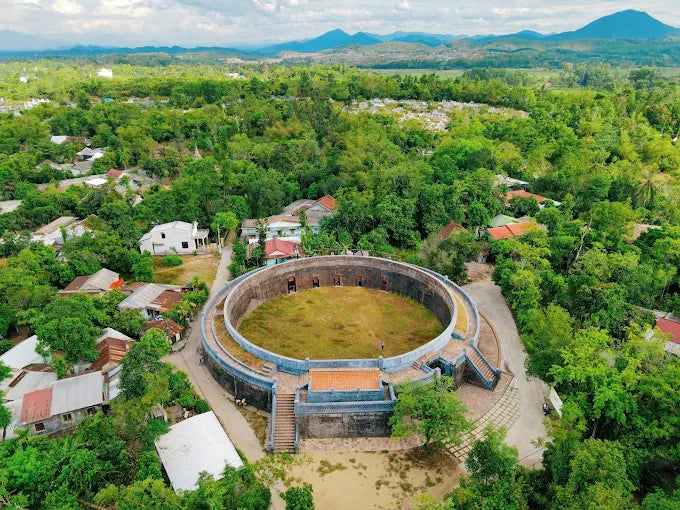
Ho Quyen: The Unique "Life-and-Death" Arena of the Nguyen Dynasty
Nestled in the ancient capital of Hue, hidden within the tranquil beauty of Truong Da village, Ho Quyen stands as a testament to the martial spirit and unique military architecture of the Nguyen dynasty. Not magnificent temples and palaces, Ho Quyen is a true arena, where thrilling confrontations between the king of the jungle and mighty elephants once stirred the entire region. Join Localtrips.ORG as we journey back in time to step into this last surviving "life-and-death arena."
Geographical Location – The Heroic Site of the Ancient Arena
Ho Quyen is located in Thuy Bieu ward, Hue city, about 4km southwest of the city center. Situated next to the poetic Perfume River, its location was both secluded enough for building a "forbidden" structure and spacious enough for commoners and mandarins to watch the festivals from afar in ancient times.
Although not located on the main heritage route like the Imperial City or the royal tombs, Ho Quyen still attracts travelers passionate about exploring the in-depth military history of the ancient capital region.
Ho Quyen Tourist Destination – "Unique" Architecture
Ho Quyen is a unique relic not only in Vietnam but also in Southeast Asia, likened to a miniature "Roman Colosseum" in the ancient capital of Hue. This was the site of gladiatorial battles between elephants and tigers during the Nguyen dynasty, aiming to train war elephants' fighting instincts and entertain kings and mandarins.
Below is a suggested itinerary connecting Ho Quyen relic with administrative units and famous nearby locations:
1. Geographical Location & Administrative Unit
- Address: Alley 27, Ho Quyen Street, in Thuy Bieu Ward, Hue City.
- Features: The relic is located west of the Imperial City, nestled by the poetic Perfume River, amidst the lush green pomelo gardens of the ancient Thuy Bieu village.
2. Nearby Relics (Radius < 500m)
Being part of a cluster of distinctive relics, from Ho Quyen, you are only a few minutes' walk from:
- Dien Voi Re (Long Chau Mieu): Located about 400m from Ho Quyen. This is a temple dedicated to guardian deities and brave war elephants who contributed to wars during the Nguyen era. The temple's architecture has a solemn beauty with majestic stone elephant statues.
3. Famous Destinations Along the Same Route
Thuy Bieu Ward is the "green lung" of Hue, making it convenient for you to combine your visit with:
- Thuy Bieu Ancient Village: Famous for its centuries-old Ruong houses and pomelo gardens (a specialty offered to the king). You can rent a bicycle and cycle under the arching green trees.
- Tu Hieu Pagoda: About 2km from the Ho Quyen area. This pagoda is associated with stories of filial piety and boasts a beautiful pine forest setting.
- Tu Duc Tomb & Thuy Xuan Incense Village: Located on a nearby travel route (about 10 minutes by car). This is the most vibrant heritage and cultural cluster in the southwest of the city.
- Vong Canh Hill: The best spot to view the Perfume River from above, about 1.5km from Ho Quyen.
4. On-site Cultural & Culinary Experiences
- Enjoy Thanh Tra Pomelo: If you visit in autumn (July - September of the lunar calendar), don't forget to savor the elegant flavor of Thuy Bieu Thanh Tra pomelo right in the Ruong house gardens.
- Admire the arena architecture: Marvel at the amphitheater system, tiger cages, and the grandstand for the king (with original blue stone steps).
5. Suggested "Exploring the West of the Imperial City" Itinerary
This itinerary offers a combined experience of military history and eco-tourism:
- Morning: Visit Ho Quyen -> Move to Dien Voi Re to learn about the Nguyen dynasty's elephant worship.
- Noon: Visit a Ruong house in Thuy Bieu Ancient Village, enjoy dishes made from lotus seeds and pomelo, and relax in the garden space.
- Afternoon: Cycle along the Perfume River -> Visit Tu Hieu Pagoda -> Conclude at Vong Canh Hill to watch the sunset.
The journey from Ho Quyen not only helps you discover a unique aspect of the Nguyen dynasty's military but also brings you back to the peaceful, quiet countryside of Hue.
History of Hai Van Pass & Ho Quyen – The Connection of Martial Spirit
Perhaps many people wonder about the connection between Ho Quyen and Hai Van Pass. In reality, the martial spirit displayed at Ho Quyen is also the courage of the soldiers and people of Phu Loc or Lien Chieu today – those who shed sweat, blood, and bones to maintain the trade gateway through the treacherous pass. If Ho Quyen is a symbol of solemnity in the imperial court, then the roads through the pass are a testament to resilience against harsh nature.
Visitor Information & Costs (Updated 2026)
Ho Quyen is currently a relic managed by the Hue Monuments Conservation Center:
|
Item |
Details |
Reference Price (VND) |
|
Entrance fee |
Adults |
20,000 / person |
|
Parking |
Near the entrance |
5,000 / vehicle |
|
Opening hours |
Daily |
7:30 AM – 5:00 PM |
Ideal Time to Visit
You should choose to visit Ho Quyen on sunny days. As the structure is built of exposed fired bricks, the space here is perfect for taking photos with a melancholic, classic tone. In the late afternoon, when the faint golden sunlight shines on the brick arches, you will truly feel the mysteriousness of a glorious past.
Transportation to Ho Quyen
- Motorbike: The best way to travel. Take your time riding along Bui Thi Xuan street, then turn towards Thuy Bieu ward; you will pass through village roads shaded by green trees.
- Taxi/Grab: Easily catch a car from any hotel in the city center directly to the relic.
Nearby Cuisine & Accommodation
Thuy Bieu Ward is famous for its Thanh Tra pomelo specialty. After visiting Ho Quyen, stop by the lush garden houses here to enjoy dishes made from Thanh Tra pomelo or rustic Hue specialties. The garden homestays in Thuy Bieu are also a high-class accommodation choice if you appreciate tranquility.
FAQ Section
1. Are elephant-tiger fights still held at Ho Quyen?
No. This is a historical relic and all fighting activities ceased in the late 19th century.
2. Why were such fights organized?
The main purpose was to train the bravery of war elephants and served as a lavish form of entertainment for the imperial court.
3. What other places can be visited alongside Ho Quyen?
You can combine your visit with Dien Voi Re (a temple dedicated to the king's loyal elephants), located nearby.
Conclusion
Ho Quyen is not just an old brick and stone structure; it is a place that preserves stories of a dynasty with pride and superior military strength. A visit here will help you understand why Hue always holds unexpected cultural treasures.
Localtrips' advice: Take some time to learn about the Nguyen dynasty's "Elephant Cavalry" before coming here; you will find every corner of Ho Quyen comes alive and is more emotional.
Are you ready to "step into" this ancient arena?
- Contact us for advice on tours to explore the most unique relics in Hue.
- Read more articles about tourism in the Ancient Capital on Localtrips.ORG.
- Leave a comment sharing your feelings about this historical Ho Quyen relic!


Related collection
Explore collections containing this product


