



Dong Ba Market in Hue: The Commercial Pulse of the Ancient Capital
In the heart of the tranquil ancient capital, Dong Ba Market is not just a bustling commercial center, but also the economic "heart," preserving the colorful everyday cultural values of the people of Thần Kinh. Having endured over a century of historical ups and downs, this market has become an unmissable destination for anyone wishing to experience the culinary soul and lifestyle of Hue people. The LocalTrips.ORG team has compiled practical guides to help you explore this century-old market to the fullest.
Geographical Location of Dong Ba Market Hue – A Connecting Hub on the Perfume River
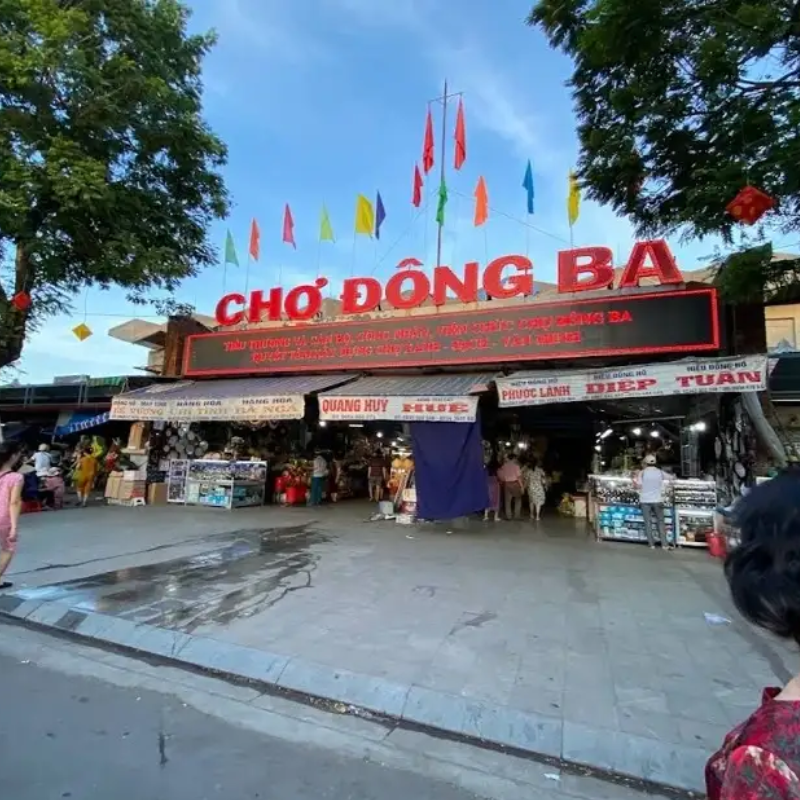
Located at Tran Hung Dao Street, Phu Hoa Ward, Hue City, Dong Ba Market occupies a prime location right by the Perfume River. With its facade facing the gentle river, the market resembles a bustling port, a place where goods from all regions converge in the ancient capital.
The market's location is very close to Truong Tien Bridge – a historical symbol of the city. This convenience not only makes it easily accessible for locals but also allows tourists to connect their exploration of the Hue Imperial City's relics with rustic shopping and dining experiences. Currently, the market is strictly managed to ensure a civilized business environment and preserve the beauty of a long-standing commercial heritage.
List of administrative units directly under Dong Da Ward: Connecting the hubs
Although Dong Ba Market is located in Phu Hoa Ward, getting there from Dong Da Ward is also very convenient via major roads. Dong Da Ward is home to many tourism support services and accommodation facilities, creating a smooth infrastructure connection for tourists. Understanding the connection from service points in the central Dong Da area to Dong Ba Market will help you optimize your itinerary, allowing more time to enjoy delicious food and purchase meaningful souvenirs.
Famous Dong Ba Market Tourist Destination in Hue – A Microcosm of Hue Life
Exploring Dong Ba Market is a stroll through unique merchandise stalls:
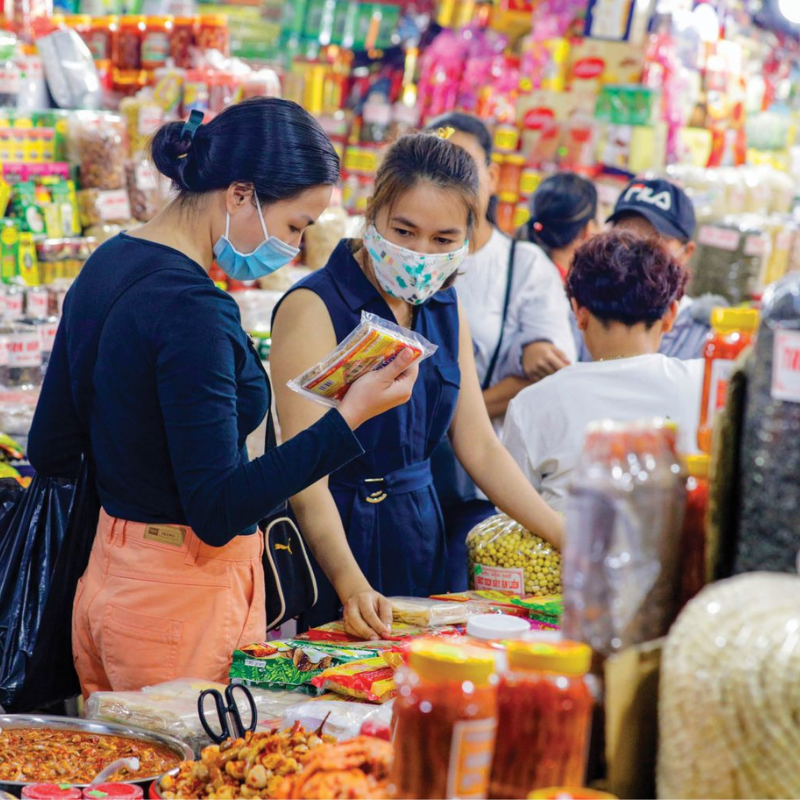
- Food court: A gathering place for specialty dishes such as bun bo, banh nam, loc, ram it, and royal sweet soups. This is a paradise for food lovers.
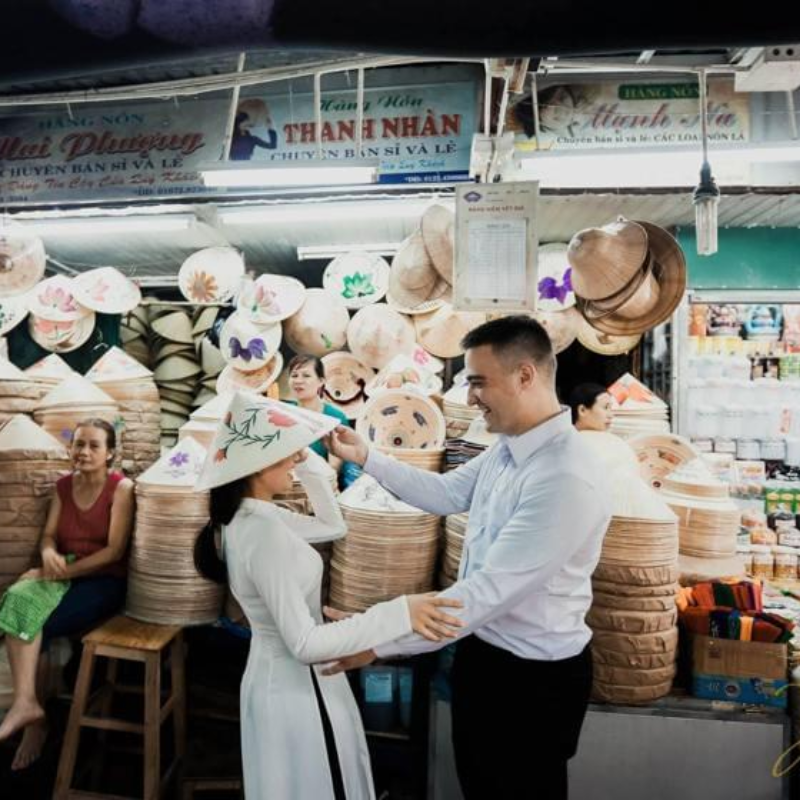
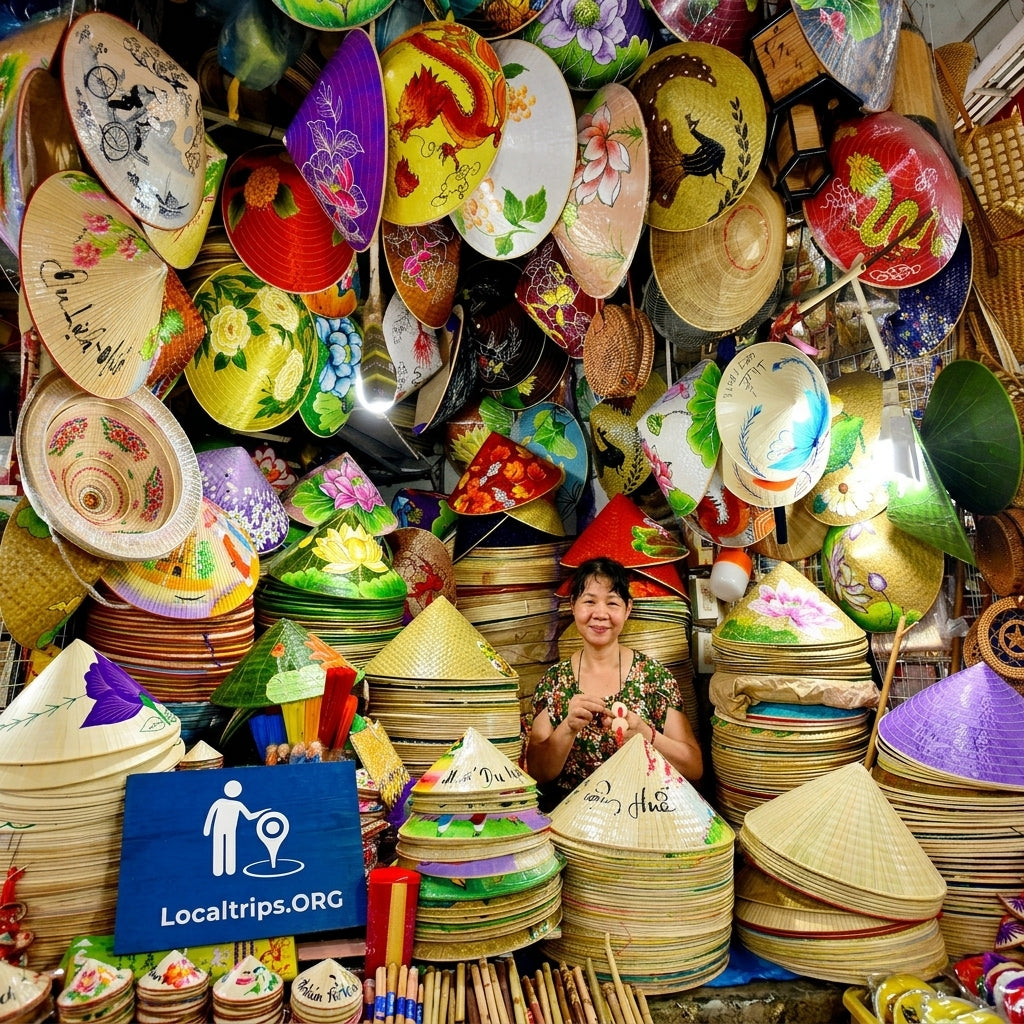
- Handicraft area: Where poetic conical hats (nón lá bài thơ) and woven bamboo and rattan products are sold – gifts rich in the cultural essence of Vietnamese artisans.
- Specialty area: Where you can buy various Hue fermented fish sauces, me xung (sesame candy), fresh lotus seeds, and royal tea – the quintessential products of the Thua Thien Hue region.
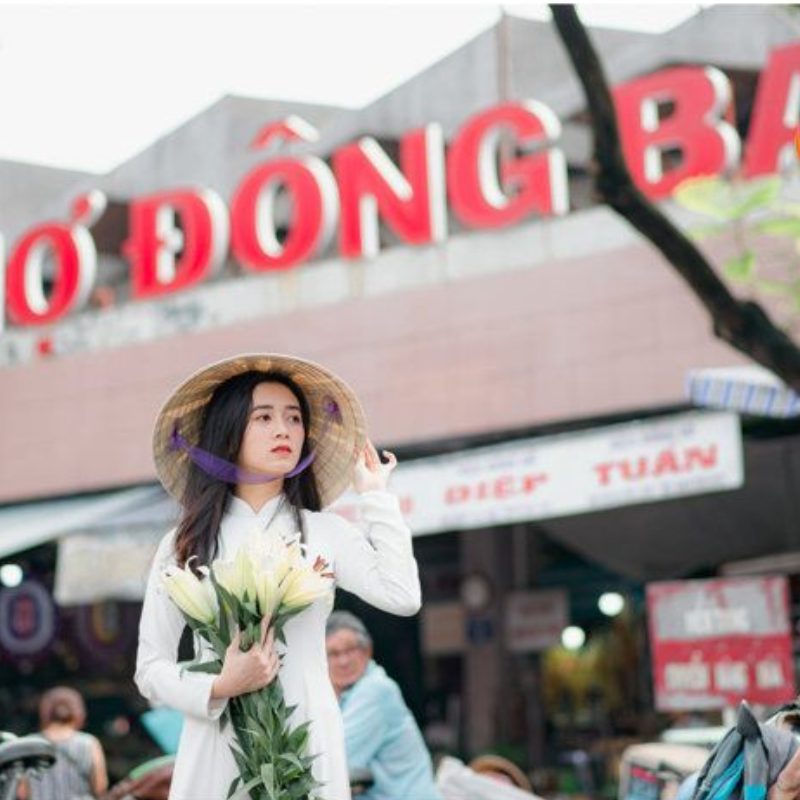
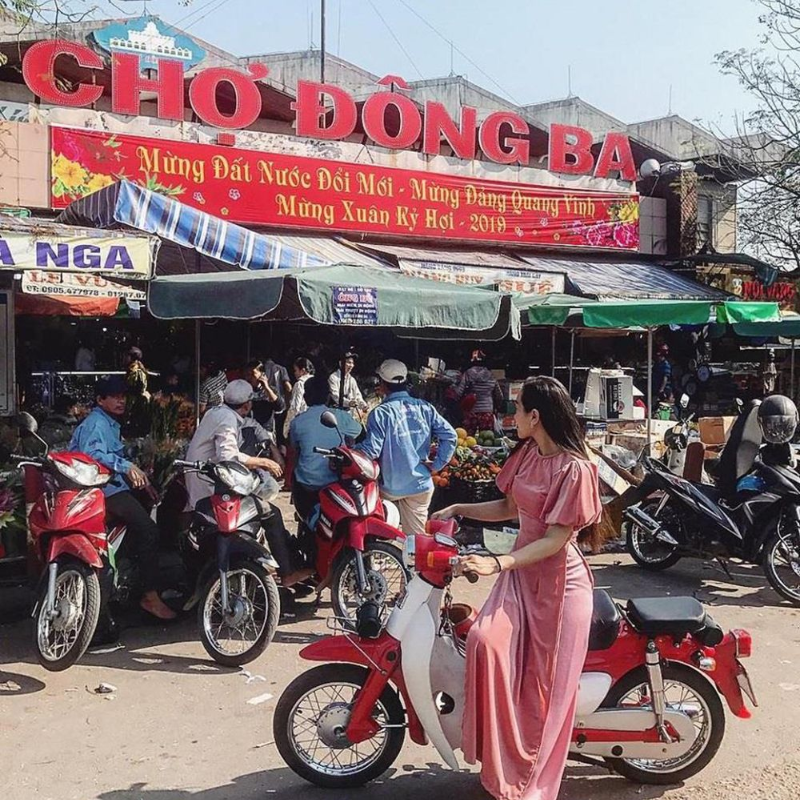
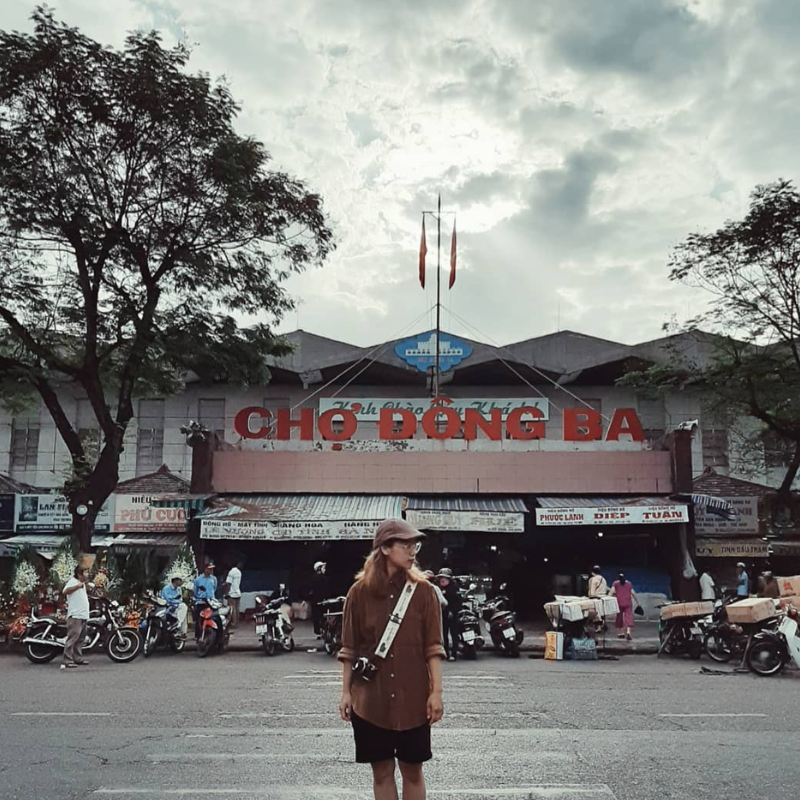
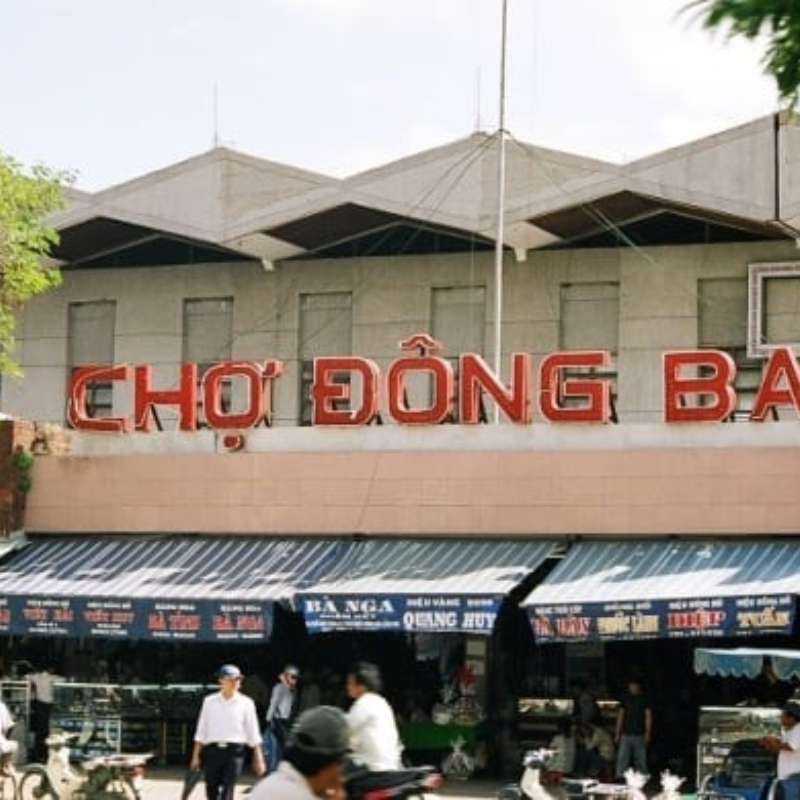
- Market gate: With architecture bearing the hallmarks of the early period, this is a nostalgic check-in point for tourists.
[Image: A bustling food corner in Dong Ba Market - Alt text: Diverse cuisine at Dong Ba Market Hue]
History of Dong Ba Market Hue – A Century of Commercial Flow
Dong Ba Market was established during the reign of King Gia Long and officially named Dong Ba during the reign of King Dong Khanh (1887). Throughout the Nguyen Dynasty (1802 – 1945), the market was not only a place for trade but also a cultural exchange hub between rural and urban areas. Through historical events, from the French colonial period to the present day, the market has persistently existed, witnessing the changes of the Imperial City of Hue. The remaining architectural features and the way of life of the vendors have created a living museum of the ancient capital's cultural life.
Economy of Dong Ba Market Hue – A Driving Force for the City's Development
More than just a relic, Dong Ba is also an economic pillar of the city. With thousands of small traders, this market contributes significantly to tax revenue and the development of local trade and services. Business activities here not only serve daily consumer needs but also play an important role in the supply chain of Hue specialties for domestic and international tourists.
Reference Price List for Services at Dong Ba Market (Updated 2026)
Here is a reference price list to help you budget when shopping here:
|
Service type |
Service details |
Reference price (VND) |
|
Food |
A bowl of bun, a plate of local cakes |
25,000 - 50,000 / portion |
|
Specialties |
1 pack of Me Xung, 1 box of royal tea |
30,000 - 150,000 / item |
|
Souvenirs |
Poetic conical hat, handicrafts |
50,000 - 200,000 / item |
|
Parking |
Motorbike (in the parking area) |
5,000 - 10,000 / turn |
|
Cyclo rental |
Around the market/city center |
50,000 - 100,000 / tour |
|
Tour guide |
Hire a private tour guide (on-site) |
200,000 - 300,000 / half-day |
Dong Ba Market Hue Weather – Tips for Effective Shopping
Based on our experience at LocalTrips.ORG, the best time to explore Dong Ba Market is early in the morning, when goods are fresh and the weather is cool. If you want to fully enjoy the cuisine, arrive between 9:00 - 10:00 AM. In the afternoon, the market is still bustling but it's an ideal time to buy souvenirs after visiting the Hue Imperial City's relics during the day.
Transportation to Dong Ba Market Hue
Getting to Dong Ba Market is very convenient with various modes of transport:
- Cyclo: A leisurely and fascinating way to see the city.
- Motorbike: Flexible for traveling from attractions to the market.
- Bicycle: Suitable for tourists who enjoy a relaxed, environmentally friendly ride along the riverbank.
Dong Ba Market Hue Cuisine – The Essence from Street Vendors
The cuisine at the market is a vibrant picture of Hue flavors. The street vendors, often "o" and "me" (aunts and grandmothers), possess traditional family recipes that you won't find in luxurious restaurants. From the spicy kick of bun bo to the gentle sweetness of various sweet soups, everything is prepared from the freshest ingredients of this land.
[Internal link suggestion to article: 'Top 10 must-try Hue culinary specialties']
Accommodation Services Near Dong Ba Market Hue
Around Dong Ba Market, there are many homestays and boutique hotels at very affordable prices. Staying in this area allows you easy access to the humble, authentic local life and cultural characteristics that few other places offer.
Localtrips.ORG specializes in providing travel information for Dong Ba Market Hue
From an expert perspective, LocalTrips.ORG notes that tourists often feel overwhelmed and easily "overpay" if they don't know how to bargain. A practical lesson is to always check prices before buying dried specialties and souvenirs. We commit to being a reliable companion, helping you update reliable addresses, reasonable prices, and the smartest shopping tips at this legendary market.
Frequently Asked Questions (FAQ)
1. Is Dong Ba Market open at night?
The market is most active during the day from 5:00 AM to 6:00 PM.
2. Do I need to bargain at Dong Ba Market?
Yes, bargaining is an interesting part of traditional market culture in Vietnam. You should bargain gently and friendly.
3. Can I buy fresh seafood at the market?
Yes, the fresh seafood area is very diverse, especially early in the morning when boats have just docked.
4. What is the best dish to eat at Dong Ba Market?
Bun bo, banh bot loc, che dau ngu (lotus seed sweet soup), and various rolled dishes are must-try items.
5. Does the market have parking?
Yes, the market has designated motorbike and car parking areas around it, ensuring safety for visitors.
Conclusion
Dong Ba Market is not just a place to buy and sell; it's the breath of Hue. Coming here, you don't just take home souvenirs, but also memories of a city rich in identity and human kindness.
Valuable advice: Try once to sit down at a small stall, eat a bowl of banh nam, and chat with the vendors; you will understand the gentleness of the people of Hue.
Ready for a shopping excursion in the Ancient Capital?
- [Contact us for advice on optimizing your Hue itinerary]
- [Read more articles about Hue cuisine at LocalTrips.ORG]
- Please leave a comment sharing your feelings about your experience at Dong Ba Market!
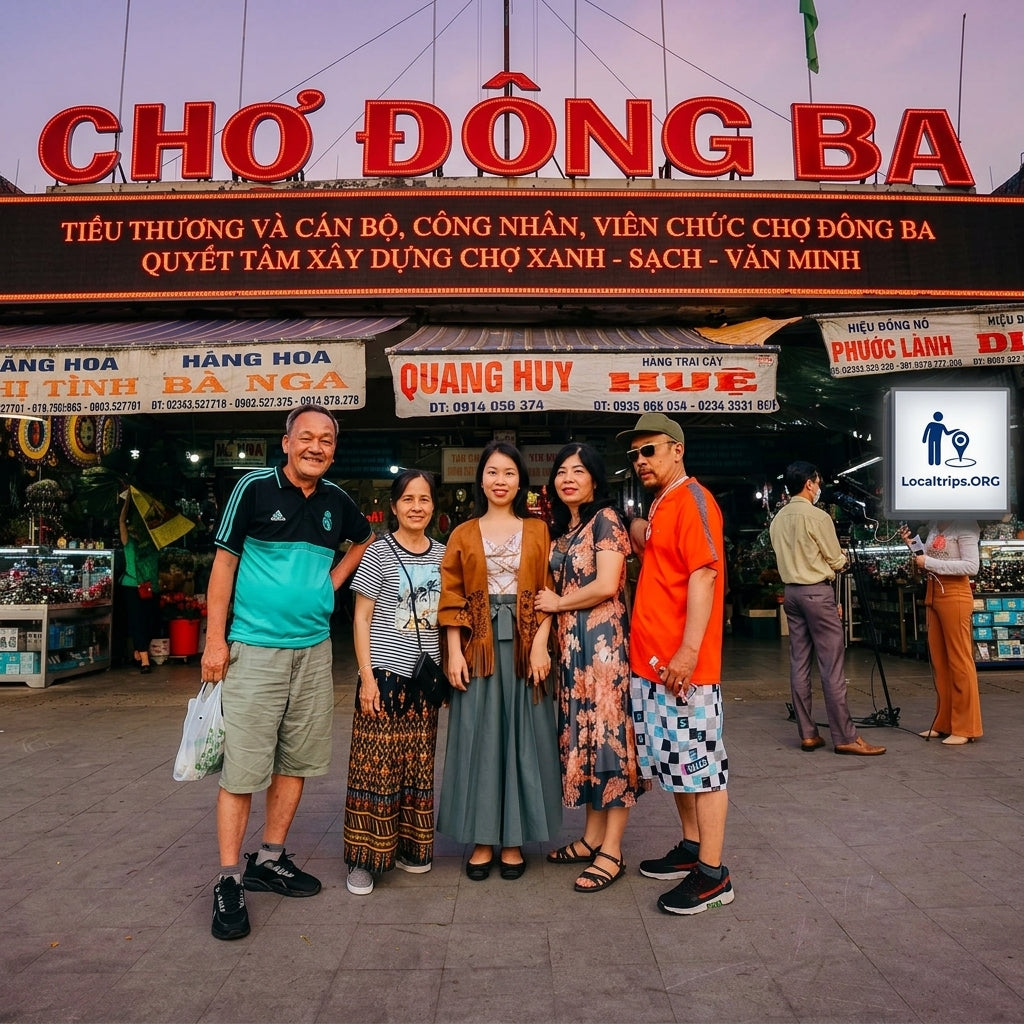
[Image: Bustling locals at Dong Ba Market - Alt text: Lively atmosphere at Dong Ba Market Hue]


Related collection
Explore collections containing this product


