



Bao Quoc Pagoda: An Ancient Temple "Protecting the Nation and Bringing Peace to the People" on Ham Long Hill
Nestled on the romantic Ham Long Hill, Bao Quoc Pagoda is not only an ancient temple with a long history but also an important Buddhist educational center in Central Vietnam. With its serene atmosphere and mysterious legends, it is an unmissable destination for those seeking inner peace when visiting the ancient capital. Join LocalTrips.ORG on a stroll up the hill to admire this renowned pagoda.
Geographical Location – Situated on Ham Long, the "Dragon's Head"
The pagoda is located at 17 Bao Quoc Street, Phuong Duc Ward, Hue City, Thua Thien Hue Province. The temple sits on Ham Long Hill – a precious feng shui site likened to the head of a soaring dragon.
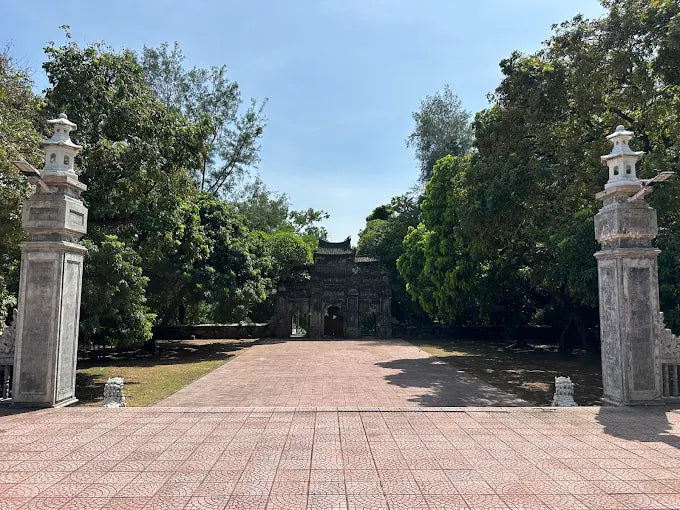
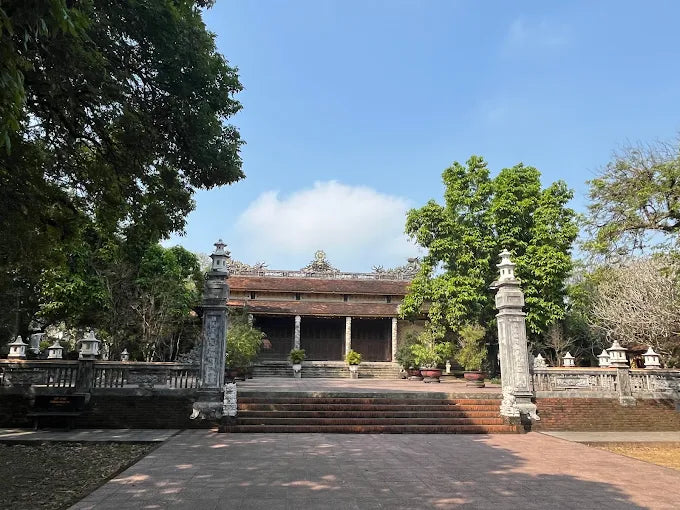
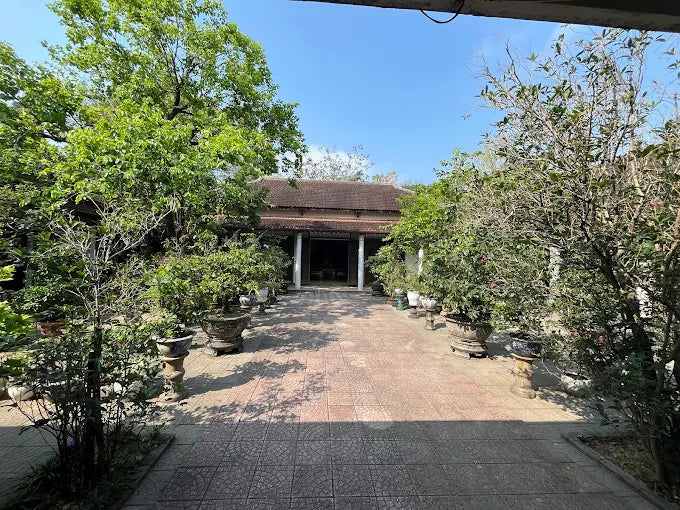
This location gives the pagoda a secluded, peaceful space despite not being too far from the city center. Ancient trees providing shade along the path up to the pagoda create a cool atmosphere, distinctly separate from the bustle of the city below.
Connecting Your Journey: Bao Quoc Pagoda Hue with Famous Attractions
Bao Quoc Pagoda is one of the most famous and sacred ancient temples in Hue, located on Ham Long Hill. With its prime location near the southern bank of the Perfume River, this pagoda is an ideal connection point for exploring the culture and spirituality of the ancient capital.
Below are the administrative units and famous attractions connected to Bao Quoc Pagoda:
1. Administrative Units & Geographical Location
- Phuong Duc Ward: Bao Quoc Pagoda is located on Bao Quoc Street, in Phuong Duc Ward, Hue City.
- Strategic Location: The pagoda is situated on a high hill shaded by ancient trees, only about 500m from Hue Railway Station, making it convenient for visitors to travel immediately after arriving in the city by train.
2. Nearby Spiritual & Cultural Attractions
Within a radius of less than 2km from Bao Quoc Pagoda, you can connect to the following prominent destinations:
- Tu Dam Pagoda: Located very close to Bao Quoc Pagoda (about 800m away). This is the most important Buddhist activity center in Hue, associated with many historical events of Vietnamese Buddhism.
- Nam Giao Esplanade: A relic site for ceremonies worshipping heaven and earth during the Nguyen Dynasty, located on Dien Bien Phu Street, leading directly from the Bao Quoc Pagoda area up to Thien An Hill.
- Duc Duc Tomb (An Lang): The tomb of three emperors (Duc Duc, Thanh Thai, Duy Tan) located in An Cuu Ward, about 5-7 minutes away from the pagoda.
- Phan Boi Chau Memorial House: Located on Ben Ngu Slope, housing artifacts and stories about the famous revolutionary patriot.
3. Experiential & Service Connection Points
- Hue Railway Station: A beautiful French-era architectural masterpiece, an unmissable check-in point before or after visiting the pagoda.
- An Cuu River: A gentle river, known for its clear waters, flowing near Phuong Duc Ward, associated with many Hue folk tales.
- Ben Ngu Market: A traditional market famous for its special local dishes such as banh beo, nam, loc, and Hue sweet soup, perfect for a stop to enjoy after a sightseeing tour.
4. Suggested Itinerary for "Ancient Blue Temples" Tour
This journey helps you fully appreciate the peaceful and ancient beauty of the southern part of the city:
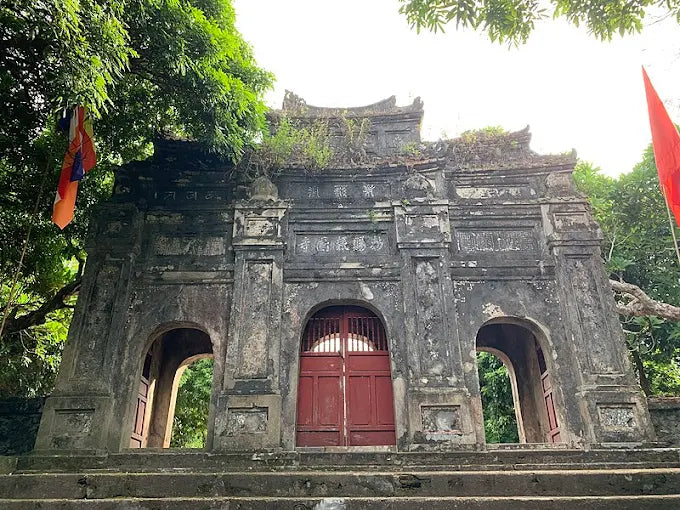
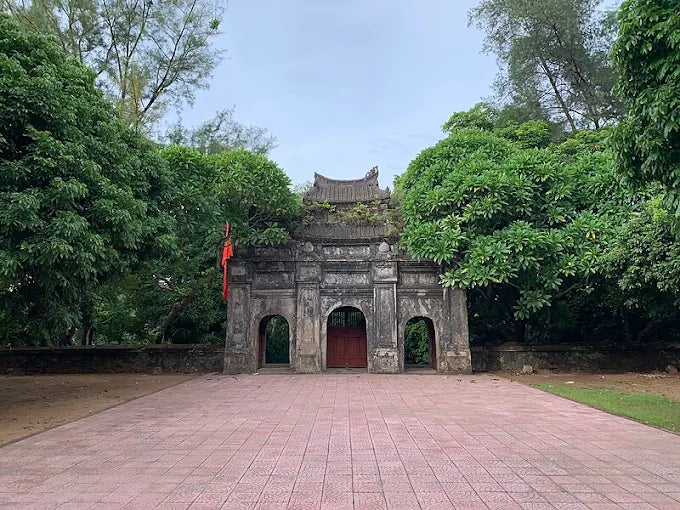
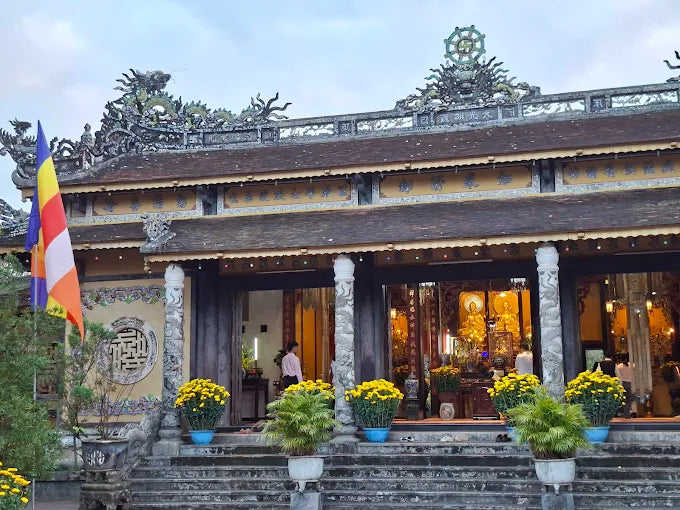
- Start: Visit Bao Quoc Pagoda early in the morning to enjoy the serene atmosphere and admire the ancient three-arched gate architecture.
- Continue: Move to Tu Dam Pagoda to learn about modern Buddhist history.
- Culture: Visit the Phan Boi Chau Memorial House on Ben Ngu Slope.
- End: Visit Nam Giao Esplanade and enjoy afternoon tea or Hue cakes in the Dien Bien Phu Street area.
The journey connecting from Bao Quoc Pagoda not only offers spiritual value but also helps you discover a contemplative, profound aspect of the daily life of the people living near the inner city of Hue.
History of Formation – From Ham Long Tu to Bao Quoc Tu
The pagoda was founded by Zen Master Giac Phong at the end of the 17th century, originally named Ham Long Tu. During the reign of King Hien Tong (Nguyen Phuc Chu), the pagoda was granted the plaque "Sac Tu Ha Trung Tu". In 1824, King Minh Mang bestowed the new name Bao Quoc Tu, meaning a pagoda dedicated to repaying the nation's gratitude and praying for a prosperous country and peaceful people. Throughout the Nguyen Dynasty (1802 – 1945), the pagoda always maintained its position as one of the most important national temples in the imperial capital.
Economy & Education – The Cradle of Eminent Monks
Bao Quoc Pagoda not only contributes to Thua Thien Hue province's spiritual tourism economy but is also a leading center for training Buddhist monks and nuns. It houses the Buddhist Intermediate School, where thousands of monastic students have studied and practiced. This educational activity helps preserve the profound cultural values, literature, and Buddhist philosophy of the ancient capital.
Visiting Information & Estimated Prices (Updated 2026)
The pagoda is a solemn place of worship, open to visitors free of charge:
|
Information Type |
Details |
Estimated Price (VND) |
|
Entrance Ticket |
Visit & Worship |
0 VND |
|
Parking |
Foot of the hill or temple gate |
5,000 / turn |
|
Motorbike Rental |
From Hue city center to the pagoda |
120,000 - 150,000 / day |
|
Drinks/Offerings |
Drinks, incense, flowers (voluntary) |
20,000 - 100,000 |
Ideal Visiting Time
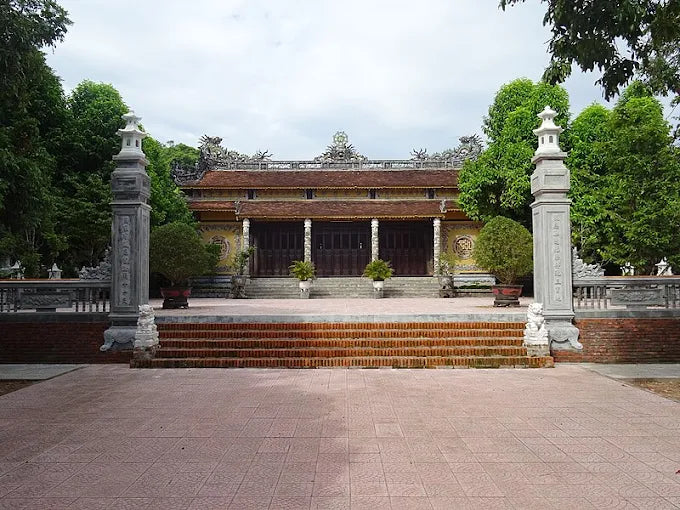
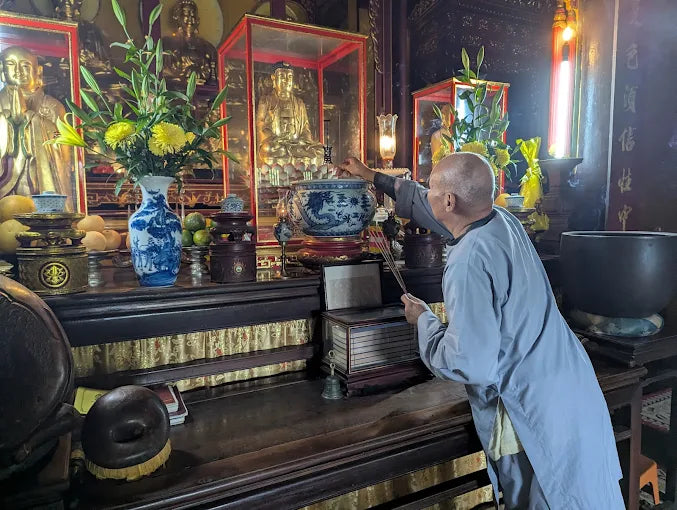
You can visit the pagoda at any time of day, but early morning, when the pagoda bells chime with the birdsong on Ham Long Hill, is the most serene moment. On the full moon days or the first day of each lunar month, the pagoda often holds solemn ceremonies, attracting many Buddhists and tourists.
Transportation to Bao Quoc Pagoda
- Motorbike/Bicycle: Easily accessible from the city center. You can park your vehicle at the foot of the hill and walk up to enjoy the fresh air.
- Walking: If you are near Hue Railway Station, a leisurely stroll up to Bao Quoc Pagoda is a pleasant and rewarding exercise.
Nearby Food & Accommodation
At the foot of Bao Quoc Hill lies a paradise of local dishes such as banh beo, nam, loc, and especially the famous Hue beef noodle soup (bun bo Hue). This area also has many quiet guesthouses and small hotels suitable for tourists wishing to stay near the monastery.
[Internal link suggestion to article: 'Journey to discover sacred ancient temples on high hills in Hue']
Localtrips.ORG specializes in providing tourism information about Bao Quoc Pagoda
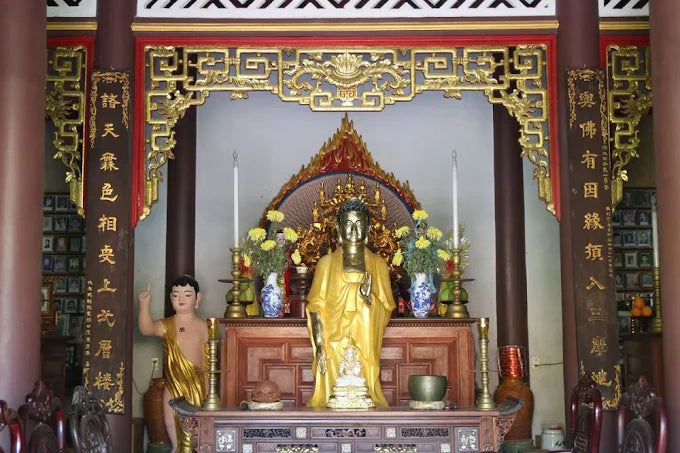
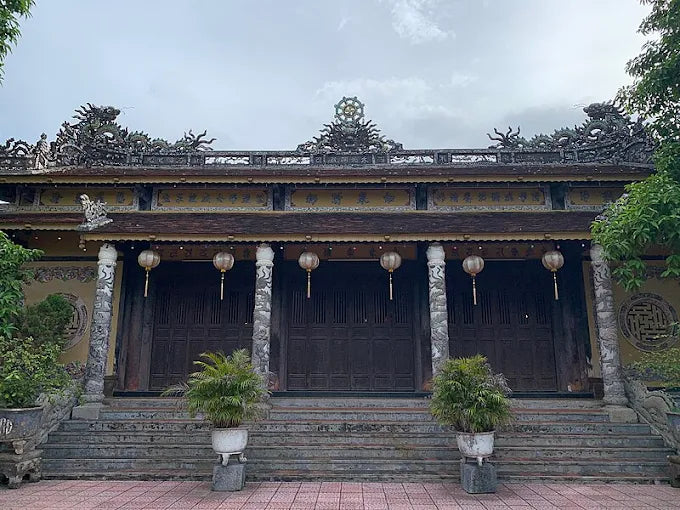
From a professional perspective, LocalTrips.ORG recommends taking some time to visit Ham Long Well before heading up to the pagoda to experience the wonder of nature. A small note is to dress modestly and politely when entering the main hall area. We are committed to accompanying you, providing quick information about travel services and hotels to make your spiritual journey in Hue more complete.
FAQs
1. Does Bao Quoc Pagoda allow visitors into the school area?
The school area is a separate place for monastic practice and study. Visitors should explore the main hall and garden areas to avoid disturbing the students.
2. Is the water from Ham Long Well still drinkable?
The well still has water, but it is primarily for viewing and ceremonial purposes. For hygiene reasons, you should not drink the water directly from the well, but only wash your hands and feet to feel its refreshing coolness.
3. What other places can be combined with a visit to Bao Quoc Pagoda?
You can combine it with the route: Hue Railway Station - Bao Quoc Pagoda - Phu Cam Cathedral - Tu Dam Pagoda. These points are very close to each other.
4. Does the pagoda organize meditation sessions for visitors?
The pagoda often has regular chanting hours. If you wish to meditate or learn more in-depth, you can contact the pagoda office to seek guidance from the monks.
Conclusion
Bao Quoc Pagoda is not just an architectural work, but a symbol of wisdom and compassion in the heart of Hue. Here, you will find a precious moment of quiet reflection for your soul.
LocalTrips' advice: Try standing from the pagoda courtyard and looking down; you'll see a corner of Hue city appearing so rustic and familiar through the old pine needles.
Are you ready to conquer Ham Long Hill?
- [Contact LocalTrips.ORG for advice on your spiritual journey in Hue]
- [Explore more mysterious stories about ancient wells in Hue]
- Share your feelings after visiting Bao Quoc Pagoda!


Related collection
Explore collections containing this product


