




Nam Giao Esplanade: Where Heaven and Earth Intersect in the Nguyen Dynasty
If the Imperial City was the residence of the emperor, then the Nam Giao Esplanade was where the emperor performed his most sacred duty: offering sacrifices to Heaven and Earth on behalf of the people to pray for national prosperity and peace. As the only remaining relatively intact altar complex among ancient altars in Vietnam, this place possesses a solemn, majestic beauty and embodies profound philosophical principles. Let's explore this special relic through the perspective of LocalTrips.ORG.
Geographical Location – Situated on Auspicious Land
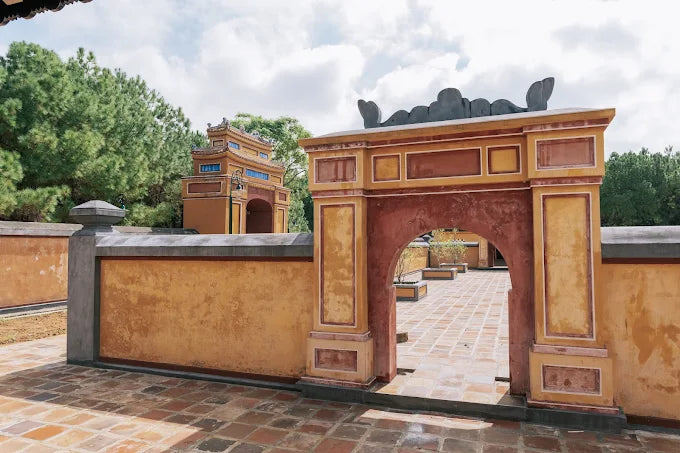
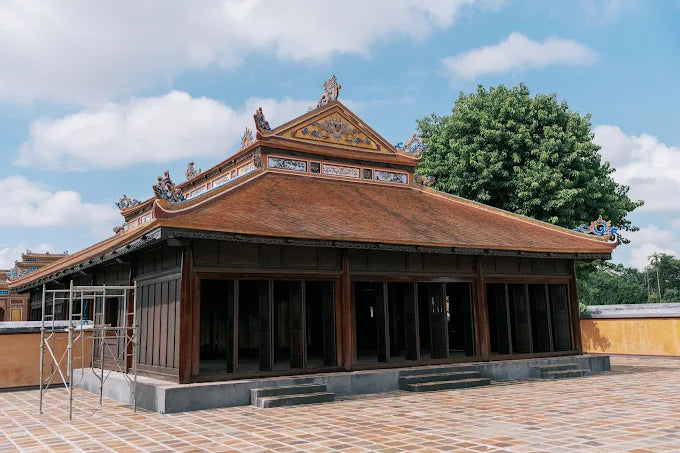
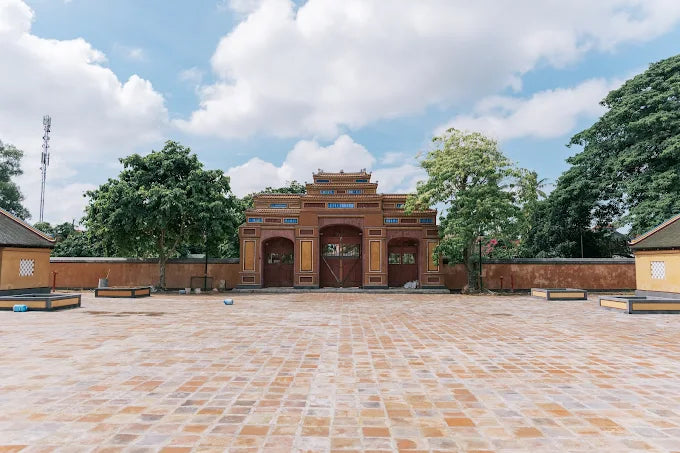
The Nam Giao Esplanade is located in Truong An Ward, Hue City, Thua Thien Hue Province. The relic lies south of the Imperial City, on a clear, low hill. According to ancient feng shui beliefs, this was an ideal location to receive the spiritual energy of heaven and earth, creating a lasting connection for the dynasty.
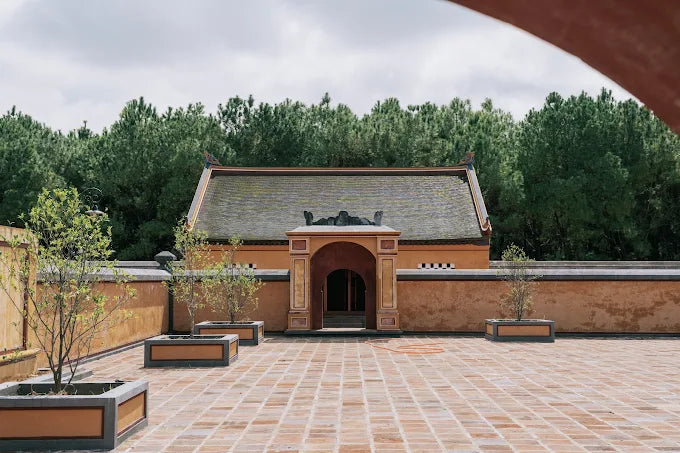
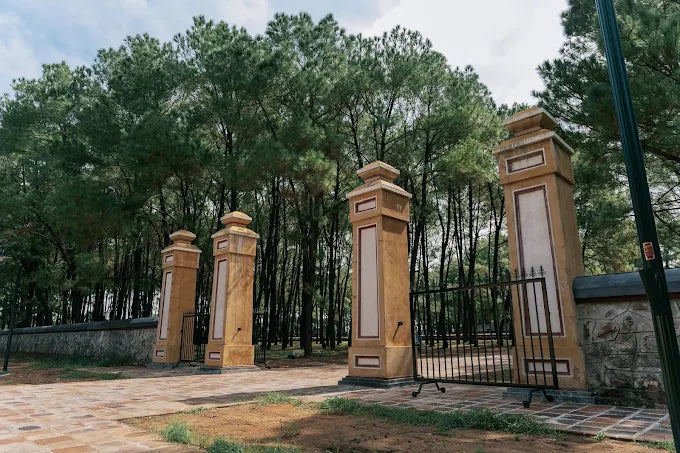
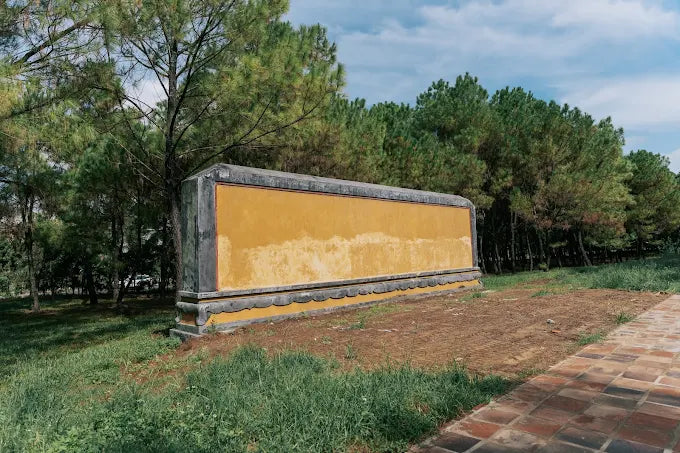
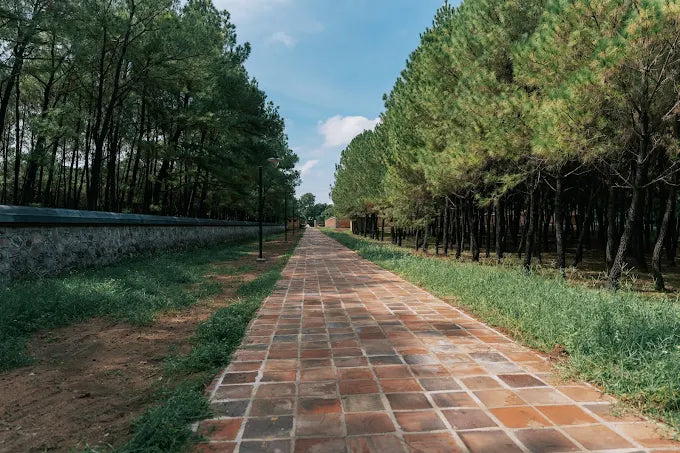
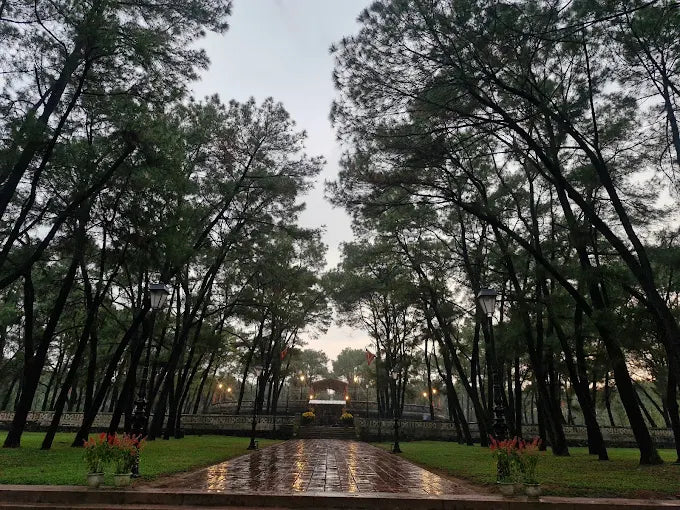
The position of the altar is directly on the straight imperial axis leading from the Flag Tower to the South, creating architectural unity in Hue's imperial planning. The surrounding area is enveloped by ancient, contemplative pine trees, offering a sense of transcendence amidst the urban landscape.
List of Famous Nearby Attractions to Nam Giao Esplanade, Hue
The Nam Giao Esplanade is a special national architectural relic, located on a large pine hill south of the Imperial City. With its strategic position at the beginning of Dien Bien Phu Street, the Nam Giao Esplanade serves as a "halfway point" connecting the city center and the area with many of Hue's most famous tombs and pagodas.
Below is a list of famous attractions located near the Nam Giao Esplanade:
1. Renowned Ancient Pagodas (500m - 1.5km radius)
The area around Nam Giao Esplanade is home to pagodas with long histories and unique architecture:
- Tu Dam Pagoda: Located about 1km downstream from Nam Giao Esplanade on Dien Bien Phu Street. This was the most important center for Buddhist revitalization in Central Vietnam.
- Bao Quoc Pagoda: Situated on Ham Long Hill, near Hue Station and just a few minutes from Nam Giao Esplanade. The pagoda is famous for its Ham Long well and tranquil beauty.
- Thien Lam Pagoda: A Southern Theravada Buddhist pagoda with distinctive Thai/Myanmar-style white stupa architecture, located on nearby Quang Te Hill.
- Tu Hieu Pagoda: A pagoda associated with the hermitage story of eunuchs, nestled amidst the green pine forest on the road leading to the royal tombs.
2. Historical & Cultural Relics
- Duc Duc Tomb (An Tomb): Located in An Cuu Ward, very close to the Nam Giao Esplanade area. This is the resting place of three emperors: Duc Duc, Thanh Thai, and Duy Tan.
- Phan Boi Chau Memorial House: Located at Ben Ngu Slope, where Mr. Phan lived his last years. This spot is right on the connecting axis from the city center to Nam Giao Esplanade.
- An Dinh Palace: A masterpiece of East-West architectural fusion, located on the An Cuu River, about 2km from Nam Giao Esplanade.
3. Check-in Spots & Traditional Craft Experiences
- Thuy Xuan Incense Village: Located on Huyen Tran Cong Chua Street, about 2km from Nam Giao Esplanade. This is a favorite stop for tourists to take photos with colorful bundles of incense.
- Vong Canh Hill: The most beautiful viewpoint of the Perfume River from above, located about 3km from Nam Giao Esplanade.
- Ben Ngu Slope & Ben Ngu Market: A bustling area with many Hue specialties such as banh beo, nam, and loc, located right at the foot of the slope leading to Nam Giao Esplanade.
4. Administrative Units
- Truong An Ward: This is the administrative unit directly managing the Nam Giao Esplanade relic.
- Neighboring wards: Phuong Duc Ward, Thuy Xuan Ward, and Vinh Ninh Ward.
Suggested connected itinerary:
If you are at Nam Giao Esplanade, the most ideal itinerary is: Nam Giao Esplanade -> Thien Lam Pagoda -> Thuy Xuan Incense Village -> Tu Duc Tomb -> Vong Canh Hill.
This journey will take you through the "green lung" of Hue City with its peaceful atmosphere and rich heritage.
Unique Architecture – The Philosophy of "Round Heaven, Square Earth"
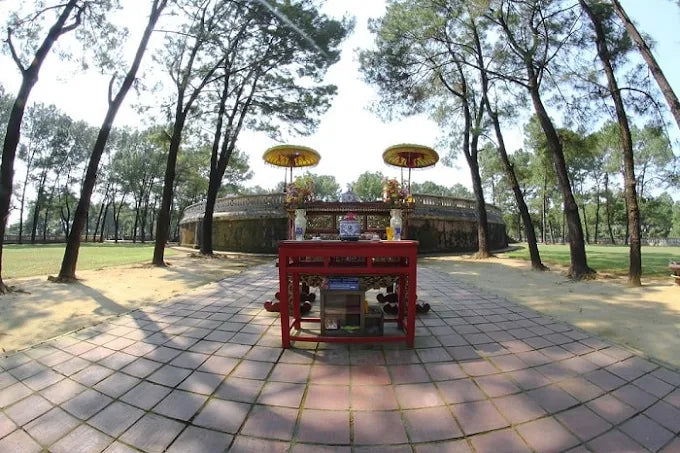
The Nam Giao Esplanade was built in 1806 during the reign of Emperor Gia Long, with a three-tiered structure symbolizing the Three Powers (Heaven - Earth - Man):
- Top tier (Vien Dan): Circular in shape, symbolizing Heaven. This is where altars were placed for supreme deities such as the Jade Emperor.
- Middle tier (Phuong Dan): Square in shape, symbolizing Earth. This is where sacrifices were offered to deities of clouds, rain, thunder, lightning, etc.
- Bottom tier: Also square in shape, symbolizing Man.
- Feng shui colors: The balustrades of each tier were painted different colors according to the Five Elements concept: The top tier was blue (heaven), the middle tier was yellow (earth), and the bottom tier was red (man).
[Image: Panoramic view of the three tiers of Nam Giao Esplanade amidst a pine forest - Alt text: Nguyen Dynasty Nam Giao Esplanade architecture in Hue]
Nam Giao Sacrifice Ceremony – The Most Significant Event of the Dynasty
During the Nguyen Dynasty, the Nam Giao sacrifice ceremony was the most important ritual, usually held in spring. The emperor would personally preside over the ceremony with a procession of thousands, including mandarins, soldiers, elephants, horses, and imperial music ensembles. This ritual demonstrated the emperor's reverence for heaven and earth, affirmed the legitimacy of the dynasty, and prayed for favorable weather and abundant harvests.
Visiting Information & Ticket Prices (Updated 2026)
Nam Giao Esplanade is a historical site managed by the Hue Monuments Conservation Center:
|
Ticket Type |
Category |
Price (VND) |
|
Adult |
Site visit |
50,000 / visit |
|
Child |
Under 12 years old |
Free |
|
Opening Hours |
Daily |
07:00 – 17:30 |
|
Parking |
Area in front of the relic gate |
5,000 / visit |
Ideal Time to Visit
You should visit Nam Giao Esplanade in the early morning or late afternoon to avoid the intense sun, as the altar tiers are completely open-air. Especially, if you visit during the Hue Festival, you will have the opportunity to witness the magnificent and culturally rich re-enactment of the Nam Giao ceremony.
Means of Transportation to Nam Giao Esplanade
- Motorbike: The most flexible and convenient way to travel from the city center.
- Bicycle: Dien Bien Phu Street is very hilly but shaded, perfect for those who want to exercise and enjoy the scenery at a leisurely pace.
- Cyclo: A quintessentially Hue experience to be driven from the Western quarter to visit the ancient altar.
FAQs
1. Can visitors climb the tiers of the altar?
Yes, visitors are allowed to go up and explore all three tiers of the relic to admire the architecture and enjoy the surrounding pine forest views.
2. Is the Nam Giao Esplanade ceremony held annually?
Currently, the Nam Giao ceremony is no longer held annually as in ancient times, but is usually re-enacted during the Hue Festival (every 2 years) as a special cultural activity.
3. What should I wear when visiting Nam Giao Esplanade?
Although it is an outdoor space, it is a sacred place. You should wear polite clothing and avoid wearing overly short attire when standing on the altar tiers.
4. What are the best check-in spots here?
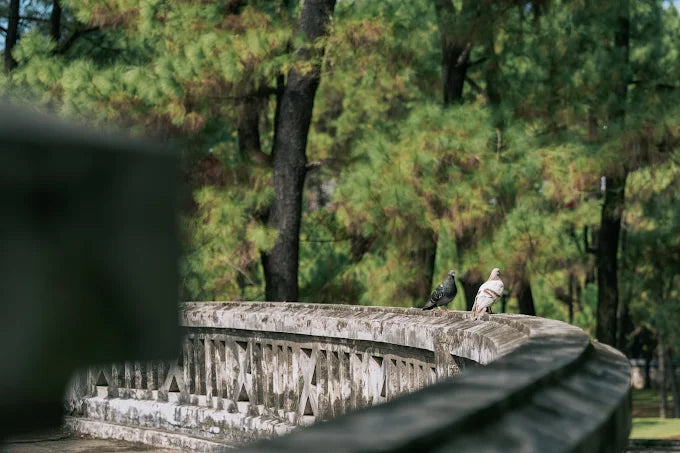
The photo angle from the bottom tier looking up at the round altar against the blue sky, or the ancient paved walkways amidst the moss-covered old pine trees.
Conclusion
The Nam Giao Esplanade encapsulates the noble spiritual values of the nation, serving as a testament to the harmony between humanity and nature. Standing amidst the majestic altar, you will feel the smallness of humankind before the vast universe, yet also a sense of pride in a unique cultural heritage.
LocalTrips' advice: After visiting Nam Giao Esplanade, stop by a small tea shop along Dien Bien Phu Street and enjoy a fragrant cup of lotus tea to fully experience the peaceful rhythm of the ancient capital.
Are you ready to explore the intersection of heaven and earth in Hue?
- [Contact us for a detailed Hue heritage tour itinerary]
- [Learn more about Nguyen Dynasty imperial rituals on LocalTrips.ORG]
- Don't forget to share your feelings about the majesty of Nam Giao Esplanade!


Related collection
Explore collections containing this product


